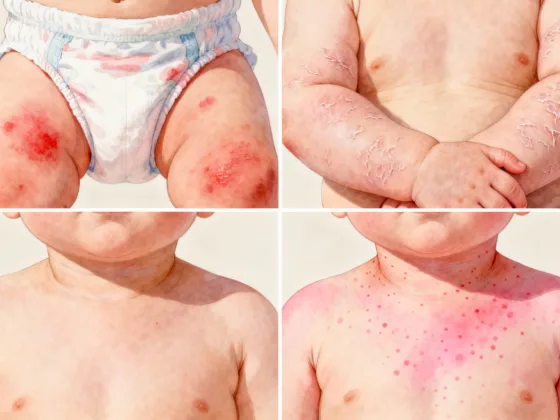

Bringing a new baby into the world is nothing short of magical-and, let’s be real, a little overwhelming too! From sleepless nights to endless diaper changes, new parents quickly realize that keeping their little bundle of joy healthy is a full-time job. But don’t worry, mama and papa! we’ve got your back with the ultimate baby health tips that every newbie parent should know.whether its about feeding, sleep, or those pesky common colds, this guide will help you feel confident and ready to give your baby the best start in life. So grab a cup of coffee (or two) and let’s dive in!
Choosing the Right Nutrition for Your Little One How to Create a Safe and Cozy Sleep Environment Mastering the Art of Soothing Your Baby Like a Pro When to Call the Pediatrician and What Questions to Ask
Nourishing your baby goes beyond just choosing formula or breastfeeding; it’s about understanding their unique nutritional needs as they grow. Start with breast milk or formula as the main source for the first six months, then slowly introduce soft, nutrient-rich solids like mashed veggies and fruits. Remember, every baby is different, so watch for any signs of allergies or intolerance. Keeping a balanced routine also means avoiding added sugars or salt. keeping a handy feeding schedule and noting down reactions can save you from potential mishaps and make mealtime a bonding moment.
Creating a perfect sleep nest means thinking safe, calming, and cozy. Make sure your little one’s crib is free from loose blankets, pillows, or toys to reduce SIDS risks. Use a firm mattress and dress your baby appropriately to avoid overheating. Keep the room dark but softly lit to help them distinguish day from night.When fussiness hits, mastering soothing techniques – from gentle rocking to white noise – works wonders. But always trust your instincts: if your baby shows signs like persistent high fever,difficulty breathing,or unusual behavior,it’s time to contact your pediatrician. Here’s a quick table to know what questions to bring up during that call:
| Concern | Questions to Ask |
|---|---|
| Fever over 100.4°F | Is medication needed? Should I come in for an exam? |
| Unusual rash | Could this be an allergy or infection? What signs require urgent care? |
| Feeding troubles | Is my baby getting enough nutrients? How can I improve feeding? |
| Sleep disruptions | When is sleep regression normal? Are there safe aids to help? |
Q&A
Q&A: Ultimate Baby Health Tips Every New Parent Should Know
Q: What’s the most notable thing to keep in mind about newborn health?
A: Honestly, trust your instincts but also stay informed! every baby is different, so while general tips help, don’t hesitate to call your doctor if something feels off. Regular checkups, proper feeding, and plenty of tummy time usually do the trick.
Q: How frequently enough should I bathe my baby?
A: Newborns don’t need daily baths-about 2-3 times a week is enough to keep their skin from drying out.In between, a nice wipe-down with a damp cloth will do. Just make sure to keep the umbilical cord area dry until it heals.
Q: What’s the deal with baby’s skin? It looks so sensitive!
A: Baby skin is super delicate and prone to dryness and rashes. Use gentle, fragrance-free products and avoid overwashing. Moisturizing with a mild baby lotion can help keep that skin soft and happy.
Q: Breastfeeding or formula-does it realy matter?
A: Both are grate! Breastfeeding offers amazing immune benefits and bonding time, but formula is a healthy alternative if breastfeeding isn’t an option. The best choice is whatever keeps your baby well-fed and thriving.
Q: How do I know if my baby is getting enough to eat?
A: Look for steady weight gain, regular wet and dirty diapers (about 6-8 wet diapers a day after the first week), and that happy, content vibe after feeds. If you’re worried, your pediatrician can definitely help you track growth and feeding habits.
Q: Tummy time-is it really necessary?
A: Absolutely! It strengthens your baby’s neck, shoulders, and arms, helping with motor skills down the line. Try a few minutes a day, gradually increasing as they get stronger. Just never leave them unattended.
Q: What about sleep safety? how do I keep my baby safe at night?
A: Always put your baby on their back to sleep, on a firm mattress with no loose bedding, pillows, or stuffed animals nearby. Keep the crib in your room for the first 6 months,and avoid overheating by dressing them in light layers.
Q: Should I worry about baby vaccines?
A: Nope! Vaccines protect your baby from serious illnesses and have been thoroughly tested for safety. Following the recommended schedule is one of the best ways to keep your little one healthy.
Q: When should I call the doctor?
A: If your baby has a fever (usually over 100.4°F or 38°C), is unusually irritable or lethargic, not feeding well, has trouble breathing, or you just feel something’s off-don’t hesitate. It’s always better to be safe than sorry.
Q: Any final advice for new parents on baby health?
A: Take a deep breath and enjoy the ride! Babies might seem fragile, but they’re tougher than you think. Stay calm, stay informed, and surround yourself with support. You got this!
To Wrap It Up
And there you have it-your go-to guide for keeping your little one happy and healthy! Remember, every baby is unique, so trust your instincts and don’t be afraid to reach out to your pediatrician when you need a hand. Parenthood is a wild, wonderful ride full of sleepless nights and endless love, but with these tips in your back pocket, you’re already one step ahead. Here’s to happy, healthy babies and confident, thriving parents-you’ve got this!
EXPLORE MORE ON OHBABYCARE
Gentle guidance and must-know advice inside
PREGNANCY TIPSEveryday routines, sleep, feeding, and calm support in
BABY TIPSHealthy habits, wellness, and baby care insights inside
BABY HEALTHReal-life mom life, balance, and emotional support in
MOM TIPSProduct picks, essentials, and honest recommendations in
BABY ACCESSORIESKind, thoughtful guidance and resources inside
ADOPTION TIPSHelpful how-to’s, routines, and real moments in
VIDEOS