

Welcome to the fantastic world of baby training! If you’re a new parent or caregiver eager to help your little bundle of joy start learning and growing in fun and simple ways, you’ve come to the right place. Baby training doesn’t have to be stressful or complicated-in fact, it can be a joyful adventure filled with giggles, discoveries, and plenty of cuddle breaks. In this post, we’ll share easy, playful tips to help your tiny tot build new skills, explore their surroundings, and develop a love for learning from day one. So grab a snack, settle in, and let’s dive into some baby-pleasant training ideas that are as enjoyable for you as they are for your little learner!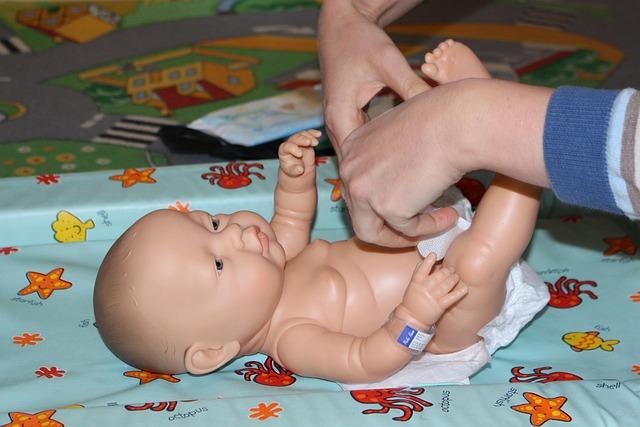
Choosing the Right Time to Start Baby Training
Timing is everything when it comes to helping your little one pick up new skills. Babies grow at their own pace, so it’s key to watch for those natural readiness cues rather than sticking strictly to a calendar. Look for signs like increased curiosity, the ability to focus for short periods, or showing interest in imitating others. When your baby starts showing these signals,it’s a great possibility to introduce gentle training-keeping it playful and pressure-free ensures learning stays fun.
To make it easier, here’s a speedy guide to age-appropriate starting points:
| Age | Training focus | Key Tips |
|---|---|---|
| 6-9 Months | Basic motor skills & recognition | Introduce games with colors and shapes |
| 9-12 Months | Imitation & language exposure | Encourage mimicking sounds and expressions |
| 12-18 Months | Simple commands & decision making | Use short phrases and offer small choices |
Remember, flexibility is your best friend here. If your baby isn’t quite ready,simply take a step back and try again later. Keeping the experience lighthearted and tailored to your child’s mood is what turns baby training into a joyous journey rather than a task.

Making Learning Playful and Engaging for Your Toddler
Turning everyday moments into playful learning adventures is one of the best ways to grab your toddler’s attention and spark curiosity. Introducing colorful toys, interactive books, and music can transform simple activities into engaging sensory experiences. As a notable exmaple,stacking blocks not only improves motor skills but also encourages problem-solving and creativity. Don’t hesitate to get involved-your enthusiasm is contagious! Whether it’s a silly dance break or a puppet show, your toddler will love every second of the fun and soak up knowledge without even realizing it.
Incorporate these easy strategies into your daily routine to keep things fresh and exciting:
- Use Natural Materials: Leaves, pinecones, or water can become tools for exploration and discovery.
- Follow Their Lead: Let your little one choose activities that interest them to boost engagement.
- Make Learning Multisensory: Combine sights, sounds, and textures to deepen understanding.
- Celebrate Small Wins: Positive reinforcement builds confidence and a love for learning.
| Activity | Skill Developed | Tips |
|---|---|---|
| Sorting Shapes | Cognitive, Motor | Use colorful blocks for visual interest |
| Sing-Along Sessions | Language, Memory | Choose repetitive, simple songs |
| Water Play | Sensory, Coordination | Supervise closely and add small scoopers |
| Puppet Storytime | Imagination, Social | Create characters your child loves |
Simple Everyday Activities that Boost Your Baby’s Skills
Everyday moments are goldmines for nurturing your baby’s growth. Simple activities like singing nursery rhymes or making silly faces don’t just entertain-they also sharpen your little one’s language skills and emotional recognition. Try engaging your baby with colorful toys or household objects, encouraging curiosity and hand-eye coordination. Babies love exploring textures, so let them feel soft fabrics, smooth spoons, or crinkly papers; it’s like giving their tiny hands a multisensory workout!
Don’t underestimate the power of playful repetition. Turning routine tasks into mini adventures-like counting fingers during diaper changes or naming fruits at snack time-builds memory and cognitive skills effortlessly. Here’s a quick cheat sheet of simple activities and the skills they boost:
| Activity | Boosts |
|---|---|
| Peek-a-boo | object permanence & social bonding |
| Stacking blocks | Fine motor & problem solving |
| Reading picture books | Language & visual recognition |
| Baby dancing time | Balance & rhythm coordination |
Creating a Positive Routine That Encourages Growth
Establishing a daily rhythm filled with playful learning sets the stage for your baby’s progress.Consistency is key, but it doesn’t mean sticking to a strict clock-think of it more like a gentle flow of activities that balance stimulation and rest. Incorporate short bursts of focused playtime that encourages curiosity,alongside cozy moments for snuggles and downtime.Simple activities like singing songs, tummy time, or exploring textures can become delightful parts of your routine that your baby looks forward to every day.
To keep things engaging without overwhelming your little one, try mixing up different types of learning experiences.Here’s a quick guide to spice up your routine:
- Morning: Sensory play with colorful toys or safe household items
- Midday: Storytelling or gentle movement to music
- Afternoon: Outdoor exploration, even if just a few minutes in the fresh air
- Evening: Calm bonding activities like massage or reading
| Activity | Benefits | Ideal Time |
|---|---|---|
| Peekaboo | Enhances object permanence | Morning |
| Texture exploration | Boosts sensory development | Midday |
| Dance & sing | Encourages motor skills | Afternoon |
| Bedtime story | Promotes language & calmness | Evening |
Q&A
Q&A: Baby Training 101 – Fun Tips to Help Your Little one Learn
Q: What exactly is baby training? Is it like training a puppy?
A: Haha, not quite! Baby training is all about helping your little one develop new skills through fun, interactive activities. Think of it as guiding your baby to explore the world, learn new things, and build their brain power-without any sit-stays or roll-overs involved!
Q: When should I start baby training?
A: The earlier, the better! Even newborns soak up experiences. of course, training here means age-appropriate activities like tummy time, responding to sounds, and playing peek-a-boo. As your baby grows, you can introduce more complex games that encourage motor skills, language, and social interaction.
Q: What are some easy, fun ways to help my baby learn?
A: Lots of options! Try singing songs with motions, reading colorful books together, or playing simple games like “pat-a-cake.” You can also build sensory experiences by letting your baby touch different textures-soft blankets, squishy toys, or even a bit of safe water play.
Q: How do I keep my baby interested during these training sessions?
A: Keep it short and sweet! Babies have tiny attention spans, so 5-10 minutes of focused fun is plenty. Watch for cues-if your baby starts getting fussy or distracted, it’s time for a break. always follow their lead and keep things playful, not stressful.
Q: Is it okay to use technology, like apps or videos, for baby training?
A: Moderation is key. The American Academy of Pediatrics suggests limited screen time for babies under 18 months,emphasizing real-world interaction instead. So while an interactive app here and there can be fine, your best bet is hands-on, face-to-face time filled with toys, books, and your own enthusiasm.
Q: Can baby training help with sleep and feeding routines?
A: Absolutely! Establishing routines is a big part of early learning. Use consistent cues like lullabies or a special blanket at bedtime, and create mealtime rituals with the same spoon or a fun song. It helps your baby understand what to expect and feel more secure.
Q: What if my baby isn’t hitting the milestones like other kids? Should I worry?
A: Every baby is unique and develops at their own pace-no need to stress! If you ever have concerns, chatting with your pediatrician can give you peace of mind. Simultaneously occurring, keep celebrating the little wins and enjoy this special time with your baby.
Q: Any final tips for parents starting baby training?
A: Stay patient, have fun, and don’t overthink it. Babies learn best when learning feels like play. Follow their lead, shower them with love, and take lots of pictures as these moments go by fast! You’ve got this.
The Way Forward
And there you have it-baby training doesn’t have to be stressful or boring! With a little creativity, patience, and lots of giggles, you and your little one can turn learning into a fun adventure every single day. Remember, it’s all about celebrating those tiny victories and enjoying the journey together. So, grab those toys, get silly, and watch your baby bloom into the little genius they’re meant to be. Happy training! 🎉👶✨
EXPLORE MORE ON OHBABYCARE
Gentle guidance and must-know advice inside
PREGNANCY TIPSEveryday routines, sleep, feeding, and calm support in
BABY TIPSHealthy habits, wellness, and baby care insights inside
BABY HEALTHReal-life mom life, balance, and emotional support in
MOM TIPSProduct picks, essentials, and honest recommendations in
BABY ACCESSORIESKind, thoughtful guidance and resources inside
ADOPTION TIPSHelpful how-to’s, routines, and real moments in
VIDEOS