

Sleep with a newborn feels like a team sport you didn’t train for, right? You love that tiny face, but your eyeballs burn and your coffee budget doubled. Good news: you can’t control the baby, but you can stack the odds. Let’s talk practical, real-life newborn sleep tips that actually help you and your little human get more rest—without magic wands or guilt.
Start with the “Fourth Trimester” Mindset
Your newborn didn’t get the memo about nights and days. They still expect cozy, warm, swaying womb vibes. So you replicate that feel when you can.
Key idea: Think comfort, closeness, and consistency. You’re not “spoiling” a newborn—you’re helping their brand-new nervous system relax.
- Motion helps. Rocking, walking, or a safe baby swing during awake time can calm an overtired baby.
- Containment matters. Swaddling (if your baby still shows a startle reflex) can reduce flailing arms that wake them up.
- White noise is gold. Use a steady, non-looping hum to mimic womb sounds and mask household noise.
Build a Simple, Repeatable Wind-Down

No, you don’t need a 45-minute spa ritual. You need a short routine that cues sleep every time.
- Keep it 5–10 minutes. Diaper, swaddle (if used), dim lights, song, and down.
- Same order, same vibe. Babies love patterns. Your routine creates “sleep-time” signals.
- Keep lights low and voices soft at night. Save the high-energy chatter for daytime.
Sample 5-Minute Routine
- Diaper and swaddle
- Turn on white noise
- Hold, sway for 1–2 minutes
- Short lullaby
- Place down drowsy but not fully out (if possible—no stress if not!)
Nail the Wake Window (But Don’t Obsess)
Newborns can’t handle long stretches awake. Over-tired babies get fussy, wired, and harder to settle. You don’t need a spreadsheet—just a rough guide.
Typical newborn wake windows:
- 0–6 weeks: about 45–60 minutes awake
- 6–12 weeks: about 60–90 minutes awake
Watch your baby, not the clock. Look for sleepy cues:
- Red eyebrows or glazed eyes
- Staring into space (the “I’m done” stare)
- Slower movements or fussing
If You Missed the Window
It happens. Reset with:
- Darkened room
- White noise
- Extra soothing: rocking, shushing, or a contact nap
FYI, one overtired nap doesn’t ruin your week. Babies are resilient.
Feed, Burp, and Plan for Night Feeds

Hungry babies don’t sleep. Shocking, I know. You can’t “tank them up” to force long stretches, but you can set yourself up smartly.
- Daytime calories matter. Offer full feeds during the day so baby doesn’t reverse cycle and party at 2 a.m.
- Burp well. Gas keeps babies squirmy. Take a few extra minutes after feeds, especially at night.
- Dream feed (optional). Around 10–11 p.m., gently feed without fully waking baby. Some babies do great with this, others spit in fate’s eye. Try it for a week and decide.
Bottle Logistics That Save Your Sanity
- Pre-measure formula or prep bottles before bed.
- Use a night light so you don’t blind yourself at 3 a.m.
- Keep a burp cloth and backup swaddle within arm’s reach.
Safe Sleep, But Practical
Safety first, but let’s make it doable. You’ll sleep better when you know you set it up right.
- Back to sleep, always. On a firm, flat surface with a fitted sheet. No pillows, bumpers, or stuffed animals.
- Share a room, not a bed. A bassinet next to your bed keeps feeds easier and safer.
- Dress right. One more layer than you wear. Overheating messes with sleep and safety.
- Pacifiers help. Many babies sleep better with one. If it falls out after they doze, don’t panic. You don’t need to reinsert it all night.
Swaddle or Sleep Sack?
- Swaddle: Great for early weeks if the startle reflex wakes baby. Stop when baby shows signs of rolling.
- Sleep sack: Arms-out option that adds warmth and a consistent cue without restricting movement.
Day/Night Confusion: Fix It Fast
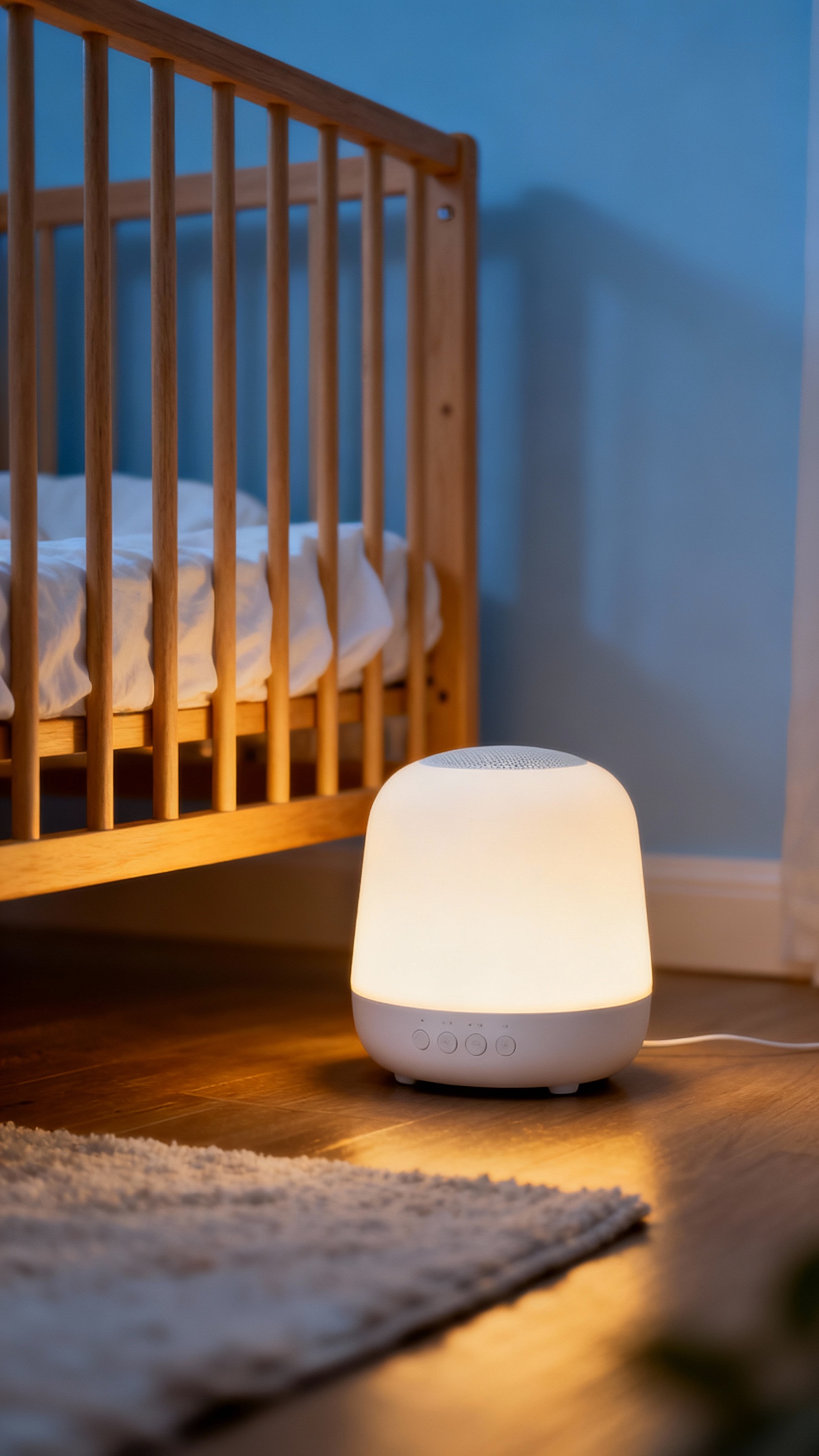
If your baby naps like a champ from 9 a.m. to 4 p.m. and parties at midnight, help them separate day from night.
- Daytime: Open curtains, get outside light, keep normal household noise.
- Nighttime: Dim lights, minimal talking, quick diaper changes, back to sleep.
- Cap a mega-nap. If a single nap passes 2–2.5 hours in the day, gently wake to feed. Protect night sleep.
Morning Reset Trick
Pick a consistent “morning” start (e.g., 7 a.m.). If baby wakes at 5 a.m., treat it like night: low lights, feed, and settle. Start your day at the chosen time to anchor the rhythm, IMO.
Realistic Self-Soothing (Without the Drama)
You don’t need to “sleep train” a newborn. You can, however, give gentle practice.
- Put down drowsy sometimes. Try once a day when you have energy. If baby protests, pick up and try again later. Zero tears policy works just fine at this age.
- Use gradual stepping back. Rock to almost-asleep, then stop and see if they drift off. You’re building a skill, not taking an exam.
- Coordinate with growth spurts. During leaps, help more. When it passes, try independent settling again.
Contact Naps Are Not the Enemy
They’re cozy and normal. If you want a break, start with one nap per day in the bassinet and keep others on you. Progress, not perfection.
Protect Your Energy (Because You’re Human)
You can’t pour from an empty coffee mug. Build small systems that help you rest.
- Shifts with your partner. One handles 9 p.m.–1 a.m., the other 1–5 a.m. Everyone gets one solid chunk.
- Nap math counts. Two 30-minute snoozes still help. Headphones, eye mask, done.
- Prep a “night cart.” Diapers, wipes, water, snacks, charger. Everything within reach so you don’t fully wake up searching for stuff.
FAQ
How long should my newborn sleep at a time?
Newborns often sleep in short stretches—45 minutes to 3 hours—around the clock. As their stomach grows, night stretches may lengthen. If your baby struggles to wake for feeds or sleeps far longer than 3–4 hours in the day, check with your pediatrician.
Is “drowsy but awake” required?
Nope. It’s a helpful practice, not a rule. Try it once a day when vibes are calm. If it fails, rock to sleep. You’re not creating “bad habits” with a newborn, FYI.
When can I stop night feeds?
That’s individual. Many babies need night feeds for several months. Your pediatrician can guide you based on weight gain, growth, and health. If your baby wakes at night and truly eats, it’s likely hunger, not “just a habit.”
What if my baby hates the bassinet?
Warm it slightly with a heating pad for a minute (remove before placing baby), use a tight swaddle or sleep sack, add white noise, and try a firm hand on the chest for 20–30 seconds after putting baby down. Keep practicing one nap a day there while allowing contact naps so everyone sleeps.
Do I need blackout curtains?
Helpful, not mandatory. Blackout during naps can improve daytime sleep, especially for alert babies. At night, darkness helps your baby learn the difference between night and day faster.
Are wake windows more important than feed times?
They work together. If your baby’s hungry, feed first. Then watch the clock and cues to avoid overtiredness. Balance beats rigidity—IMO, the combo is your sweet spot.
Conclusion
You can’t program a newborn, but you can guide them. Keep it simple: protect wake windows, use a short routine, feed well, and lean on white noise, swaddles, and darkness. Try “drowsy but awake” here and there, and let contact naps save your sanity when needed. Most of all, give yourself grace—this stage feels long, but it won’t last forever. You’ve got this.
EXPLORE MORE ON OHBABYCARE
Gentle guidance and must-know advice inside
PREGNANCY TIPSEveryday routines, sleep, feeding, and calm support in
BABY TIPSHealthy habits, wellness, and baby care insights inside
BABY HEALTHReal-life mom life, balance, and emotional support in
MOM TIPSProduct picks, essentials, and honest recommendations in
BABY ACCESSORIESKind, thoughtful guidance and resources inside
ADOPTION TIPSTop baby products, everyday essentials, and helpful recommendations in
BABY ESSENTIALSHelpful how-to’s, routines, and real moments in
VIDEOS