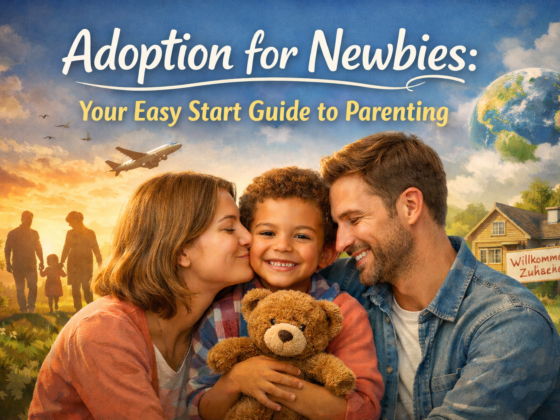
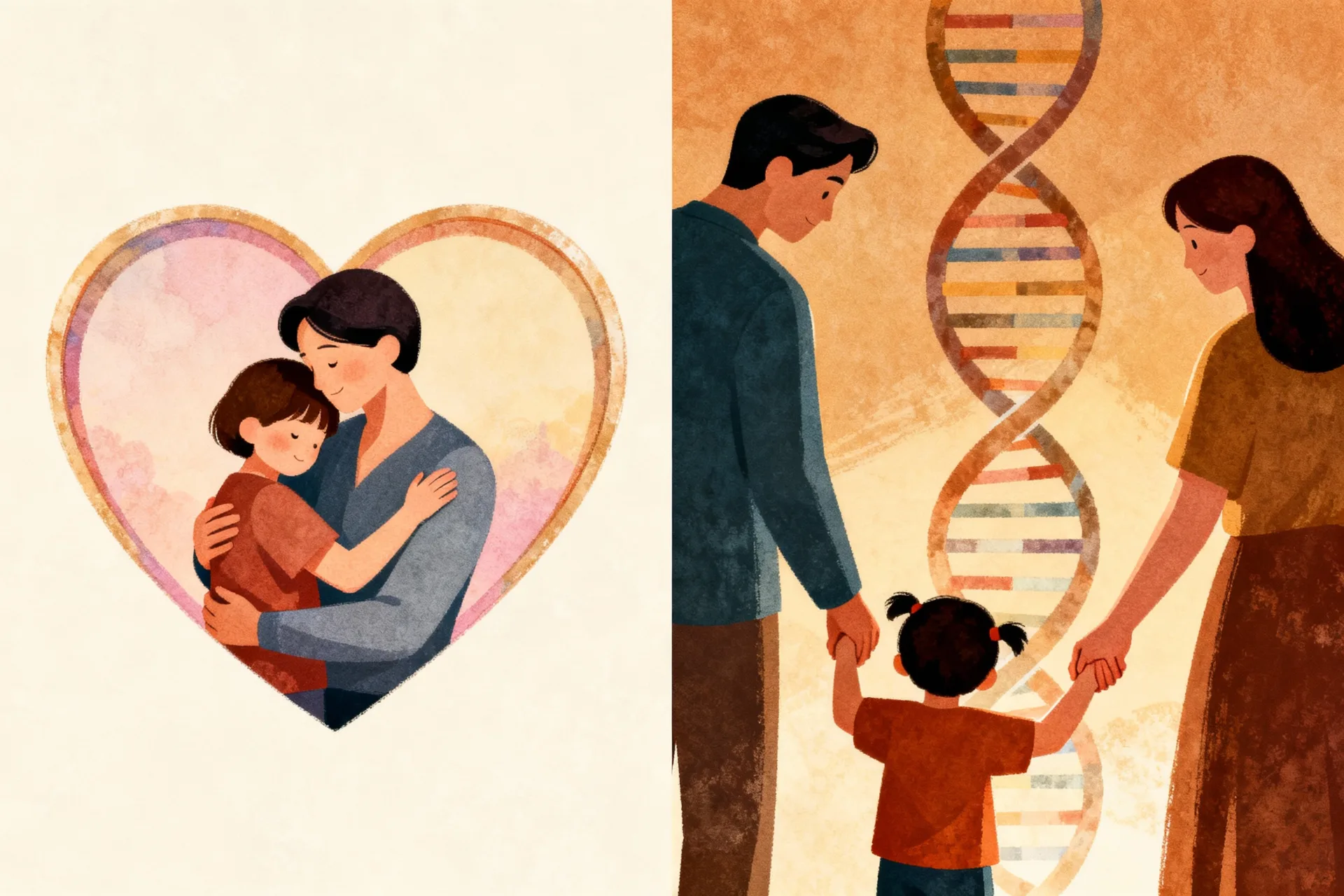
Some debates need a drumroll. This one needs a pause button. Adoption vs biological parenting isn’t a competition; it’s two routes to the same destination: raising a human. You’ll still trip over Legos at 2 a.m., worry about screen time, and wonder where all the socks go. Different origin stories, same endgame: love, logistics, and a lifetime supply of snacks.
What’s Actually the Same
Parenting, no matter how you got there, runs on the same fuel: showing up. You’ll teach values, provide boundaries, and attempt bedtime routines that never stick. The daily grind looks suspiciously similar.
- Attachment: Kids bond through consistent care, not DNA. Eye contact, soothing, playing—those build trust.
- Identity and values: You pass down family culture via rituals, jokes, and the way you handle tough days.
- Exhaustion and joy: Both models include chaos, hugs, and “why is there peanut butter on the remote?”
Where the Paths Diverge
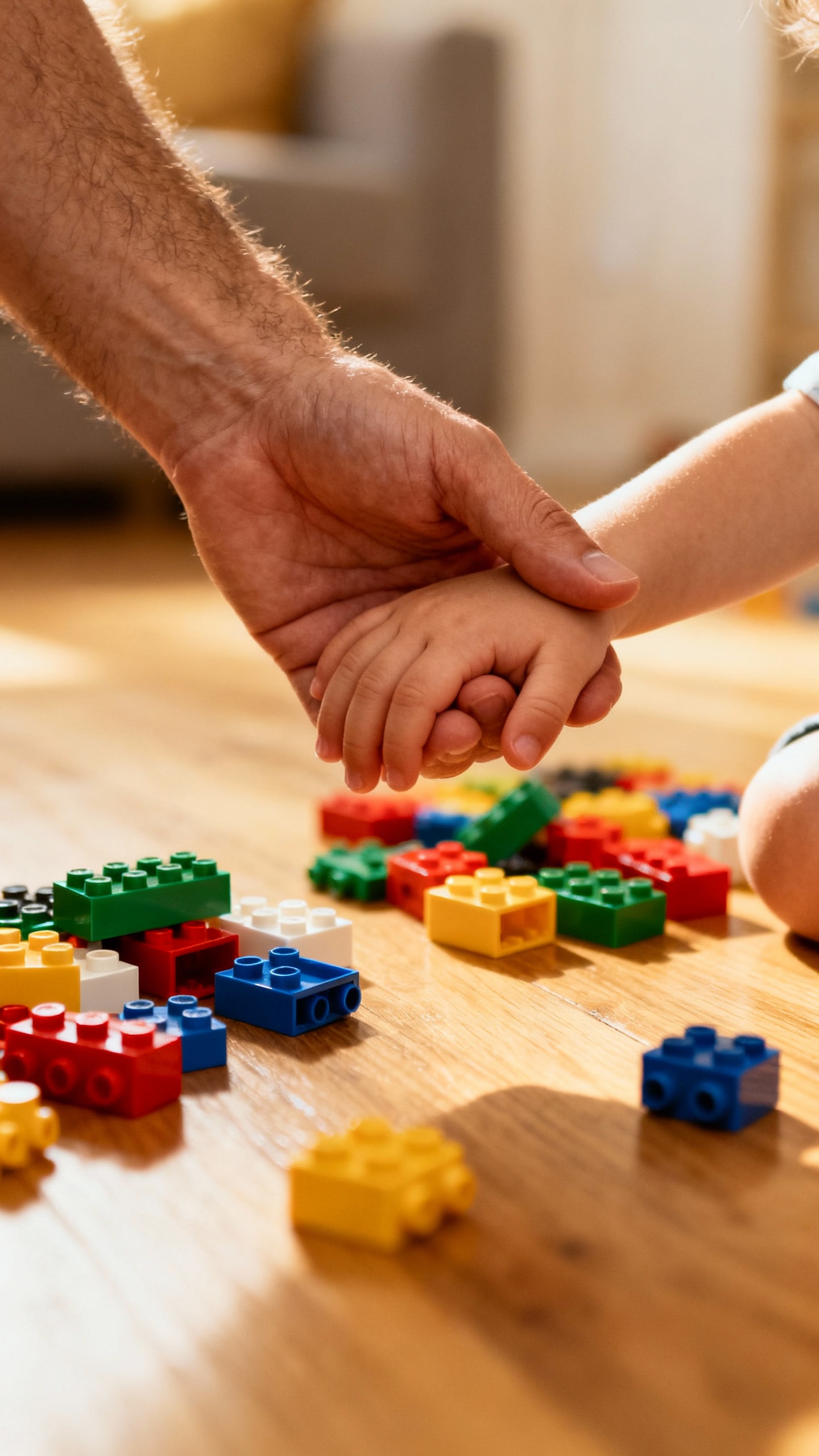
Adoption and biological parenting do bring unique layers. Not harder or easier across the board—just different flavors of complex.
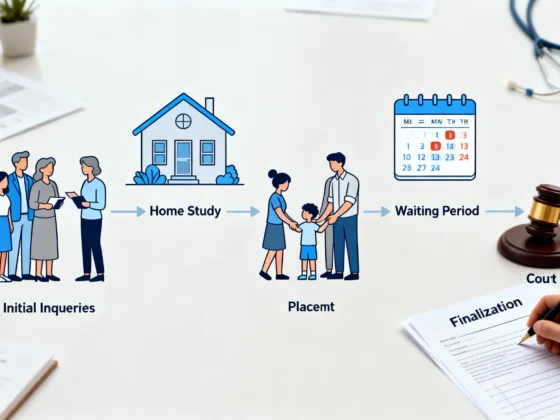
- Paperwork vs pregnancy: One comes with ultrasounds and birth plans; the other comes with home studies, legalities, and wait times.
- Medical history: Bio parents usually know the family health tree. Adoptive parents rely on records that can be incomplete or change over time.
- Origin story questions: Adopted kids often need extra space for identity narratives, especially during adolescence.
FYI: The “Open” in Open Adoption Matters
Open adoption can include contact with birth family, exchange of letters, or even visits. Closed adoptions keep information limited. Neither is one-size-fits-all. The right degree of openness centers the child’s well-being, not adult comfort levels.
Attachment and Trauma: Let’s Talk Real
Every child brings experiences—some known, some not. Biology doesn’t guarantee smooth attachment, and adoption doesn’t guarantee trauma, but adoptive families should plan for the possibility.
- Pre-adoption experiences: Prenatal stress, early loss, or multiple caregivers can shape a child’s nervous system.
- Attachment work: Think predictable routines, playful connection, and repair after conflict. Co-regulation isn’t just a buzzword—it’s the job.
- Therapy tools: Therapies like TBRI or dyadic developmental psychotherapy can help; so can parent support groups.
When to Seek Support
If you see chronic hypervigilance, extreme control battles, or shutdown responses, that’s your sign. Get a trauma-informed therapist early. You wouldn’t DIY a broken arm—don’t DIY deep nervous system stuff.
Talking About Origins Without Making It Weird

Kids sense when adults hide topics. Start early. Use clear, simple language. Build the story as they grow.
- Use honest words: “You were adopted” shouldn’t be a plot twist at 13.
- Share what you know: Offer facts you have, admit what you don’t, and keep the door open for future updates.
- Protect dignity: Speak respectfully about birth family. Kids internalize your tone.
Scripts That Help
- “Your birth parents loved you and made a plan to keep you safe. We’re your parents, and we’re so glad you’re here.”
- “You can ask me anything. If I don’t know, we’ll figure it out together.”
Community, Culture, and Belonging
Biological families often share culture by default. Adoptive families, especially transracial ones, need to curate it intentionally. That’s not extra—it’s essential.
- Representation: Books, dolls, mentors, barbershops, places of worship—let your kid see people who look like them.
- Hair/skin care: Learn it, don’t outsource all of it. This is care and culture, not a side quest.
- Community: Build networks where your child doesn’t feel like “the only.” Your zip code choices matter here.
Handling Curious (Nosy) People
Not every question deserves an answer. Prep responses like, “That’s private family info,” or, “We keep their story theirs.” You’re not a walking TED Talk.
Legal and Practical Stuff People Don’t Mention

Adoption adds paperwork and a few unique logistics. Not glamorous, still crucial.
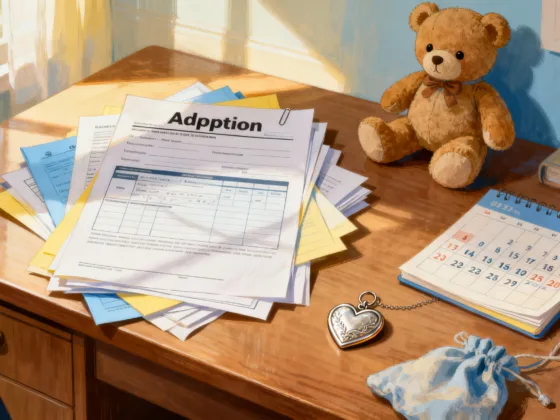
- Finalization and records: Expect court dates and amended birth certificates. Keep originals safe if you have them.
- Names: Choose with care. Consider cultural and birth names; hyphenation or middle-name placement can honor history.
- Insurance and leave: Many employers offer adoption leave and benefits. Read the fine print and ask HR (politely, then persistently).
Medical History Hacks
Keep a living document of known health info. Update it when new records or birth family data surface. Share relevant pieces with pediatricians and schools. Boring? Yes. Useful? Absolutely.
Money, Time, and the Myth of “Easy”
Biological birth can be expensive. Adoption can be expensive. Foster adoption often costs less but brings its own timelines and considerations. None of this equals “buying a child”—it’s paying professionals for legal and placement services.
- Budget: Include agency fees, travel, legal costs, and post-placement support.
- Time: Expect waiting, then a sudden sprint. Both models feature sleep deprivation—just on different calendars.
- Support: Line up meals, rides, and backup childcare. You’ll need a village either way, IMO.
FAQ
Will an adopted child feel “less bonded” than a biological child?
Bonding depends on consistent, responsive care, not genetics. Many adoptive families build deep attachment through everyday connection. If challenges pop up, attachment-focused support can close gaps. No shame in getting help early.
Should I tell my child they’re adopted, and when?
Yes, and early. Treat it as part of their life story from the start, not a dramatic reveal. Age-appropriate honesty builds trust and keeps curiosity safe.
What about medical issues if we don’t have full history?
Share what you know with your pediatrician and track updates over time. Preventive care and regular screenings matter more when history is sparse. FYI, many clinics understand adoption-specific gaps and can adjust care plans accordingly.
How do we handle contact with birth family?
Follow your agreement, but prioritize your child’s well-being and consent as they grow. Keep boundaries clear and flexible. If emotions run high (they will), involve a therapist to mediate and set rhythms that feel safe.
Is transracial adoption a problem if we “just love them the same”?
Love counts, but culture counts too. Kids need racial mirrors, mentors, and practical care that affirms their identity. If you’re not ready to change your environment, routines, and friend circles, reassess. Love plus action beats vibes-only parenting, IMO.
Does adoption “fix” infertility grief?
Adoption builds a family; it doesn’t erase loss. Do your grief work before or alongside the process. Kids shouldn’t carry adult sorrow as their origin story’s backdrop.
The Bottom Line
Biological and adoptive parenting both aim for the same finish line: raise a resilient, loved human who knows where they belong. The routes differ—pregnancy vs paperwork, family trees vs detective work, shared DNA vs shared story. But the daily job stays familiar: show up, listen hard, repair often, and laugh when the spaghetti hits the wall. Choose the path that fits your life, get the support you need, and lead with curiosity. The rest? Learn as you go, together. IMO, that’s the real secret.
EXPLORE MORE ON OHBABYCARE
Gentle guidance, early symptoms, and what to expect during pregnancy
PREGNANCY TIPSDaily baby routines, sleep tips, feeding guides, and calming techniques
BABY TIPSBaby health, safety, wellness, and expert-backed care advice
BABY HEALTHReal mom life, emotional support, recovery, and parenting balance
MOM TIPSMust-have baby accessories, practical tips, and everyday essentials
BABY ACCESSORIESHelpful adoption guidance, emotional support, and family preparation
ADOPTION TIPSTop-rated baby products, must-have essentials, and honest reviews
BEST BABY PRODUCTSHelpful videos, tutorials, routines, and real parenting moments
VIDEOS