
• Home
  • Pregnancy Tips
  • Baby Tips
  • Baby Health
  • Adoption Tips
  • Mom Tips
  • Baby Accessories
  • Videos
  • About Us

Archives

  • February 2026
  • January 2026
  • December 2025
  • November 2025
  • October 2025
  • September 2025
  • August 2025
  • July 2025
  • May 2025

Categories

  • Adoption Tips
  • Baby Accessories
  • Baby Health
  • Baby Tips
  • Mom Tips
  • Pregnancy Tips
  • Uncategorized
  • Videos
OhBabyCare
OhBabyCare
  • Home
  • Pregnancy Tips
  • Baby Tips
  • Baby Health
  • Adoption Tips
  • Mom Tips
  • Baby Accessories
  • Videos
  • About Us
Baby Fever: When to Worry and When to Stay Calm
  • Baby Health

Baby Fever: When to Worry and When to Stay Calm

  • February 26, 2026
  • Baby Tips
Total
0
Shares
0
0
0
Total
0
Shares
Share 0
Tweet 0
Pin it 0

Your baby feels warm. Then the thermometer flashes a number that looks… high. Your stomach drops, your brain Googles, and suddenly you’re convinced you’re living in a medical drama. Take a breath. Baby fevers happen, and most of the time they’re a normal response to something minor.
Let’s walk through what’s serious, what’s not, and how to stay sane while you ride it out.

Table of Contents

Toggle
  • First things first: what even counts as a fever?
  • When should you worry?
  • When can you stay (relatively) calm?
    • Teething vs. fever: the eternal debate
  • How to check the temperature without losing your mind
    • Common mistakes
  • What actually causes baby fevers?
  • Smart home care that actually helps
    • Fever reducers: when and how
  • Red flags you shouldn’t ignore
  • But what about febrile seizures?
  • FAQ
    • Should I wake my baby to give fever medicine?
    • How often should I check the temperature?
    • Can I alternate acetaminophen and ibuprofen?
    • Do antibiotics help with fever?
    • Is a high number more dangerous than a low one?
    • Can vaccines cause a fever?
  • Bottom line: don’t let the number boss you around
  • EXPLORE MORE ON OHBABYCARE

First things first: what even counts as a fever?

A fever isn’t a vibe; it’s a number. We define it as:

  • 100.4°F (38°C) or higher with a rectal thermometer
  • About 100.0°F (37.8°C) with oral/ear/temporal, but rectal reads most accurately in infants

If you don’t have a rectal thermometer, consider grabbing one. Not glamorous, but it gives the best data for babies. FYI, warm hands or flushed cheeks don’t equal a fever. Trust the thermometer, not your panic.

When should you worry?
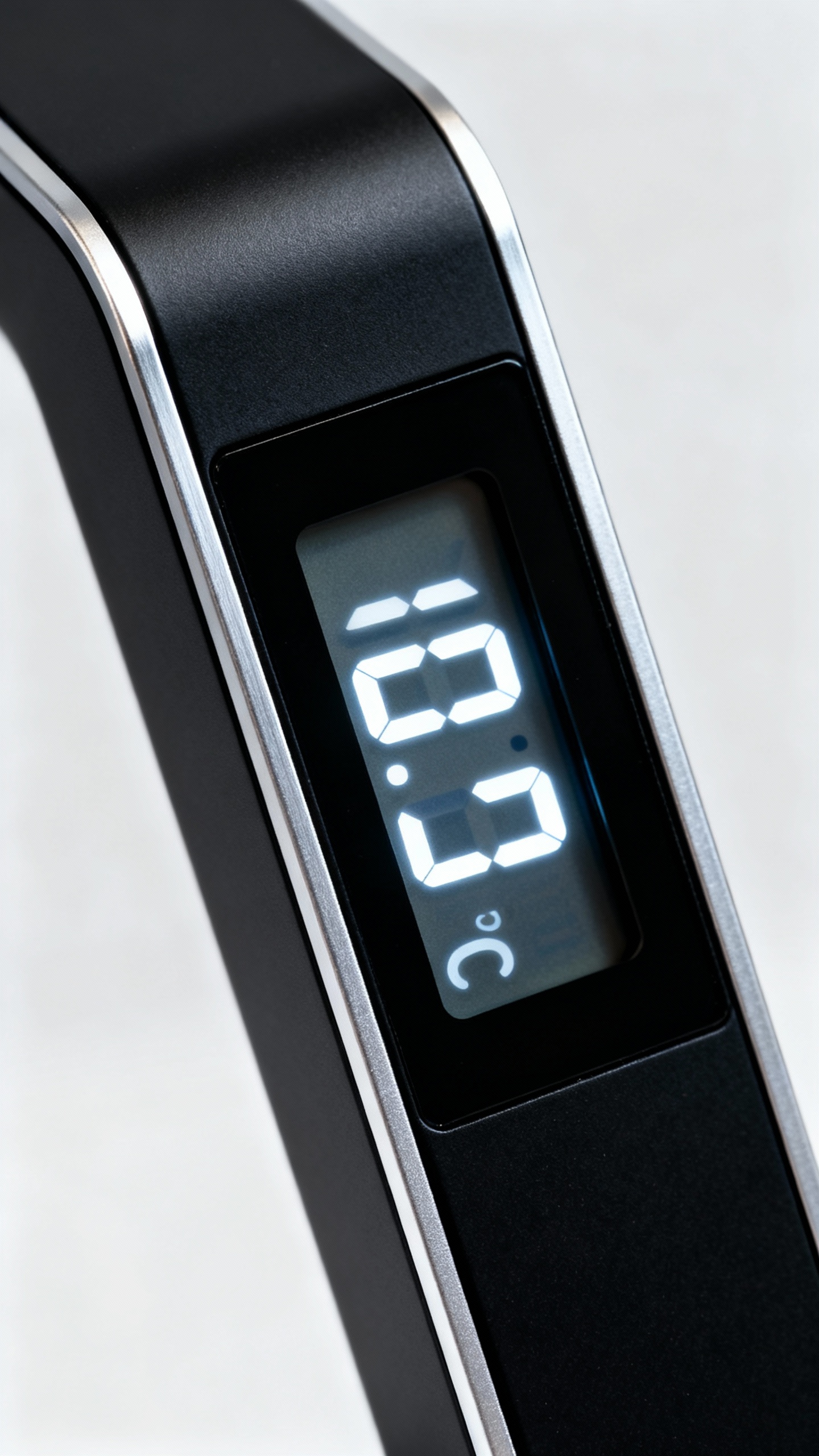
Digital thermometer reading

Let’s cut to the chase. Call your pediatrician or seek urgent care for:

  • Any fever in a baby under 3 months (100.4°F/38°C or higher), even once
  • Fever lasting more than 3 days in older babies and toddlers
  • Very high fevers: 104°F (40°C) or higher
  • Dehydration signs: fewer than 3 wet diapers in 24 hours, dry mouth, no tears
  • Breathing trouble: fast, labored, or noisy breathing
  • Serious symptoms: inconsolable crying, unusual sleepiness, stiff neck, rash that doesn’t blanch, seizures

If your gut says “this feels off,” call. You know your kid best, and your ped would rather you ask than stress-spiral at 2 a.m.

When can you stay (relatively) calm?

Your child has a fever but:

  • They drink fluids, make a decent number of wet diapers, and respond to you
  • They have a runny nose, mild cough, or teething discomfort
  • They perk up after medicine or a nap

In these cases, you’re likely dealing with a viral infection that just needs time. Fevers help the immune system fight back. Annoying? Yes. Dangerous by default? Nope.

Teething vs. fever: the eternal debate

Teething can raise temperature slightly, but true fever (100.4°F+) usually means an infection, not teeth. So if the number’s legit fever territory, don’t blame the molars.

How to check the temperature without losing your mind
4°F on white background

Pick a method and stick with it during the illness so you can compare apples to apples.

  • Rectal (best for under 3 years): Most accurate. Use lubricant, insert gently 1/2–1 inch.
  • Temporal/forehead: Convenient, decent for older infants/toddlers if used correctly.
  • Ear: Works better after 6 months; position matters a lot.
  • Oral: For older kids who can cooperate (usually 4+ years).

IMO, rectal wins for babies. Not glamorous, but neither is being wrong about a fever.

Common mistakes

  • Taking temps right after a warm bath or heavy blanket time
  • Switching methods and comparing numbers
  • Touch-testing the forehead like you’re a Victorian nurse

What actually causes baby fevers?

Short answer: the immune system doing its job. Common culprits:

  • Viruses: Colds, flu, RSV, COVID — the usual suspects
  • Bacterial infections: Ear infections, urinary tract infections, pneumonia
  • Post-vaccination: Mild fever for 24–48 hours is normal

Your pediatrician looks at the whole picture: age, symptoms, duration, and exam findings. Fever alone isn’t the villain. It’s a clue.

Smart home care that actually helps

Parent checking baby’s temperature with rectal thermometer, soft lighting

Let the fever do its thing while you keep your baby comfy.

  • Fluids first: Breastfeed, offer formula, or small sips of water if over 6 months. Popsicles for older toddlers = hero move.
  • Light clothing: One layer. Skip heavy blankets. Keep the room comfortably cool.
  • Rest: Cancel plans. Cuddles and cartoons count as medicine.
  • Sponge baths? Lukewarm only, short and gentle. If it stresses your child, skip it.

Fever reducers: when and how

You don’t have to medicate every fever. Treat if your child seems uncomfortable or can’t sleep/eat.

  • Acetaminophen (Tylenol): From birth if okayed by your doctor; dose by weight.
  • Ibuprofen (Motrin/Advil): Only if 6 months or older; dose by weight. Longer-lasting.

Never give aspirin to kids. And no “fever-phobia”: reducing the number doesn’t cure the cause; it just helps kids feel better so they can drink, rest, and fight the bug.

Red flags you shouldn’t ignore

Let’s highlight the big ones again because they matter:

  • Under 3 months with any fever
  • Fever 104°F+ (40°C) or fever that lasts 72+ hours
  • Breathing trouble or bluish lips/skin
  • Seizure, severe headache, stiff neck, confusion, unresponsiveness
  • Rash that doesn’t fade when you press a glass on it
  • Signs of dehydration

If you see these, don’t overthink it. Call your pediatrician or head in.

But what about febrile seizures?
Calm pediatrician phone on nightstand beside baby monitor

Scary, yes. Harmful long-term, usually no. Febrile seizures happen in some kids between 6 months and 5 years when temps rise quickly.

  • Lay your child on their side on a soft surface.
  • Don’t put anything in their mouth. Don’t restrain them.
  • Time it. If it lasts more than 5 minutes, call emergency services.
  • Call your pediatrician afterward for guidance.

Most kids recover fast and don’t develop epilepsy. Annoying lottery? Absolutely. Dangerous most of the time? Thankfully no.

FAQ

Should I wake my baby to give fever medicine?

If your baby sleeps comfortably and shows no red flags, let them sleep. Rest helps. You can recheck when they wake. If they struggle to stay hydrated or seem miserable without medication, talk to your pediatrician about a dosing plan.

How often should I check the temperature?

Every 4–6 hours is reasonable, or when your child seems warmer/unwell. Constant checks just raise your blood pressure. Track symptoms, fluids, and energy level — those matter more.

Can I alternate acetaminophen and ibuprofen?

You can, but it’s easy to mess up dosing schedules. If you do it, write it down with times and doses. IMO, stick to one med unless your pediatrician recommends alternating for tough fevers.

Do antibiotics help with fever?

Only if a bacterial infection causes it. Most fevers come from viruses, and antibiotics won’t touch those. Using antibiotics “just in case” can cause side effects and resistance. Your pediatrician will decide if they’re needed.

Is a high number more dangerous than a low one?

The number matters less than how your child acts and other symptoms. A cheerful kid with 102°F worries me less than a listless kid with 100.8°F. Look at the whole picture, not just the digits.

Can vaccines cause a fever?

Yes, mild fevers for a day or two can follow shots. That’s the immune system learning new tricks. If the fever runs high, lasts more than 48 hours, or your child seems very unwell, call your pediatrician.

Bottom line: don’t let the number boss you around

Fever means your baby’s immune system clocked in for work. Worry when your child is very young, the fever runs high or long, or serious symptoms show up. Stay calm when they drink, rest, and act mostly like themselves. Trust your gut, use your tools, and call your pediatrician when you need backup. You’ve got this — and IMO, you’re doing great.


EXPLORE MORE ON OHBABYCARE

Gentle guidance and must-know advice inside

PREGNANCY TIPS

Everyday routines, sleep, feeding, and calm support in

BABY TIPS

Healthy habits, wellness, and baby care insights inside

BABY HEALTH

Real-life mom life, balance, and emotional support in

MOM TIPS

Product picks, essentials, and honest recommendations in

BABY ACCESSORIES

Kind, thoughtful guidance and resources inside

ADOPTION TIPS

Helpful how-to’s, routines, and real moments in

VIDEOS
Total
0
Shares
Share 0
Tweet 0
Pin it 0
Related Topics
  • baby fever symptoms
  • baby temperature guide
  • how to treat fever in babies
  • infant fever care tips
  • when to worry about baby fever
Baby Tips

Previous Article
What I Wish I Knew Before Starting the Adoption Process
  • Adoption Tips

What I Wish I Knew Before Starting the Adoption Process

  • February 23, 2026
  • Baby Tips
Read More
You May Also Like
Common Baby Rashes and What They Mean
Read More
  • Baby Health

Common Baby Rashes and What They Mean

  • Baby Tips
  • January 15, 2026
Newborn Wellness 101: Easy Baby Health Tips for Newbies
Read More
  • Baby Health

Newborn Wellness 101: Easy Baby Health Tips for Newbies

  • Baby Tips
  • November 11, 2025
New Parent Essentials: Simple Baby Health Tips for Newbies
Read More
  • Baby Health

New Parent Essentials: Simple Baby Health Tips for Newbies

  • Baby Tips
  • October 20, 2025
Top Tips Every Parent Needs for Keeping Baby Healthy
Read More
  • Baby Health

Top Tips Every Parent Needs for Keeping Baby Healthy

  • Baby Tips
  • October 8, 2025
Ultimate Baby Health Tips Every New Parent Should Know
Read More
  • Baby Health

Ultimate Baby Health Tips Every New Parent Should Know

  • Baby Tips
  • October 3, 2025
Baby Health Basics: Newbie Parents’ Friendly Guide!
Read More
  • Baby Health

Baby Health Basics: Newbie Parents’ Friendly Guide!

  • Baby Tips
  • September 28, 2025
How to Improve Baby Digestion Naturally
Read More
  • Baby Health

How to Improve Baby Digestion Naturally

  • Baby Tips
  • May 14, 2025
Daily Routine for a Healthy Newborn Baby
Read More
  • Baby Health

Daily Routine for a Healthy Newborn Baby

  • Baby Tips
  • May 12, 2025

Leave a Reply Cancel reply

Your email address will not be published. Required fields are marked *

Baby Memory Book cover
FREE PRINTABLE 💙💗
Baby Memory Book

Capture first-year moments, photos & sweet notes — printable PDF.

Get it now ✨
No spam. Cozy tips only 🤍
My Pregnancy Journal cover
FREE PRINTABLE 💗
My Pregnancy Journal

Weekly reflections + milestones — a gentle printable keepsake.

Send me it 💌
Instant access via Beacons ✨

Recent Posts

  • Baby Fever: When to Worry and When to Stay Calm
  • What I Wish I Knew Before Starting the Adoption Process
  • Self-Care for Moms Who Have No Time
  • Baby Essentials Checklist: What You Really Need (And What You Don’t)
  • What to Eat During Pregnancy: A Simple Guide for Busy Moms
Featured Posts
  • Baby Fever: When to Worry and When to Stay Calm 1
    Baby Fever: When to Worry and When to Stay Calm
    • February 26, 2026
  • What I Wish I Knew Before Starting the Adoption Process 2
    What I Wish I Knew Before Starting the Adoption Process
    • February 23, 2026
  • Self-Care for Moms Who Have No Time 3
    Self-Care for Moms Who Have No Time
    • February 19, 2026
  • Baby Essentials Checklist: What You Really Need (And What You Don’t) 4
    Baby Essentials Checklist: What You Really Need (And What You Don’t)
    • February 16, 2026
  • What to Eat During Pregnancy: A Simple Guide for Busy Moms 5
    What to Eat During Pregnancy: A Simple Guide for Busy Moms
    • February 12, 2026
Recent Posts
  • How Often Should You Feed a Newborn? A Simple Guide
    How Often Should You Feed a Newborn? A Simple Guide
    • February 9, 2026
  • 10 Survival Tips for Exhausted Moms
    10 Survival Tips for Exhausted Moms
    • February 5, 2026
  • Adoption vs Biological Parenting: What’s Really Different?
    Adoption vs Biological Parenting: What’s Really Different?
    • February 2, 2026
Categories
  • Adoption Tips (10)
  • Baby Accessories (8)
  • Baby Health (10)
  • Baby Tips (16)
  • Mom Tips (12)
  • Pregnancy Tips (19)
  • Uncategorized (3)
  • Videos (196)
🍼
Hosting I use
OhBabyCare is hosted on Hostinger

If you’re starting a parenting blog or moving your website, Hostinger is a simple and reliable choice. Fast setup, great value, and beginner-friendly tools.

Get Hostinger → Affiliate disclosure: I may earn a commission at no extra cost to you.
✨ Oh Baby Care
Gentle inspiration

Soft care tips, honest picks & sweet ideas—delivered to your inbox.

💌 Join Newsletter
No spam • Unsubscribe anytime
OhBabyCare
  • Privacy Policy
  • DMCA
  • Terms of Use
  • Affiliate Disclosure
  • Imprint
  • Contact Us
  • Cookie Policy (EU)
Baby Tips & Advices

Input your search keywords and press Enter.

Manage Consent
To provide the best experiences, we use technologies like cookies to store and/or access device information. Consenting to these technologies will allow us to process data such as browsing behavior or unique IDs on this site. Not consenting or withdrawing consent, may adversely affect certain features and functions.
Functional Always active
The technical storage or access is strictly necessary for the legitimate purpose of enabling the use of a specific service explicitly requested by the subscriber or user, or for the sole purpose of carrying out the transmission of a communication over an electronic communications network.
Preferences
The technical storage or access is necessary for the legitimate purpose of storing preferences that are not requested by the subscriber or user.
Statistics
The technical storage or access that is used exclusively for statistical purposes. The technical storage or access that is used exclusively for anonymous statistical purposes. Without a subpoena, voluntary compliance on the part of your Internet Service Provider, or additional records from a third party, information stored or retrieved for this purpose alone cannot usually be used to identify you.
Marketing
The technical storage or access is required to create user profiles to send advertising, or to track the user on a website or across several websites for similar marketing purposes.
  • Manage options
  • Manage services
  • Manage {vendor_count} vendors
  • Read more about these purposes
View preferences
  • {title}
  • {title}
  • {title}

Powered by
►
Necessary cookies enable essential site features like secure log-ins and consent preference adjustments. They do not store personal data.
None
►
Functional cookies support features like content sharing on social media, collecting feedback, and enabling third-party tools.
None
►
Analytical cookies track visitor interactions, providing insights on metrics like visitor count, bounce rate, and traffic sources.
None
►
Advertisement cookies deliver personalized ads based on your previous visits and analyze the effectiveness of ad campaigns.
None
►
Unclassified cookies are cookies that we are in the process of classifying, together with the providers of individual cookies.
None
Powered by