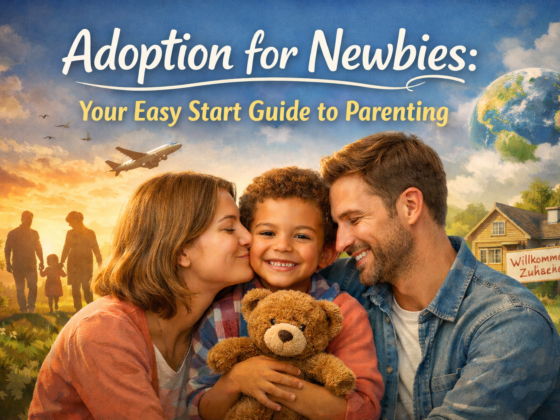
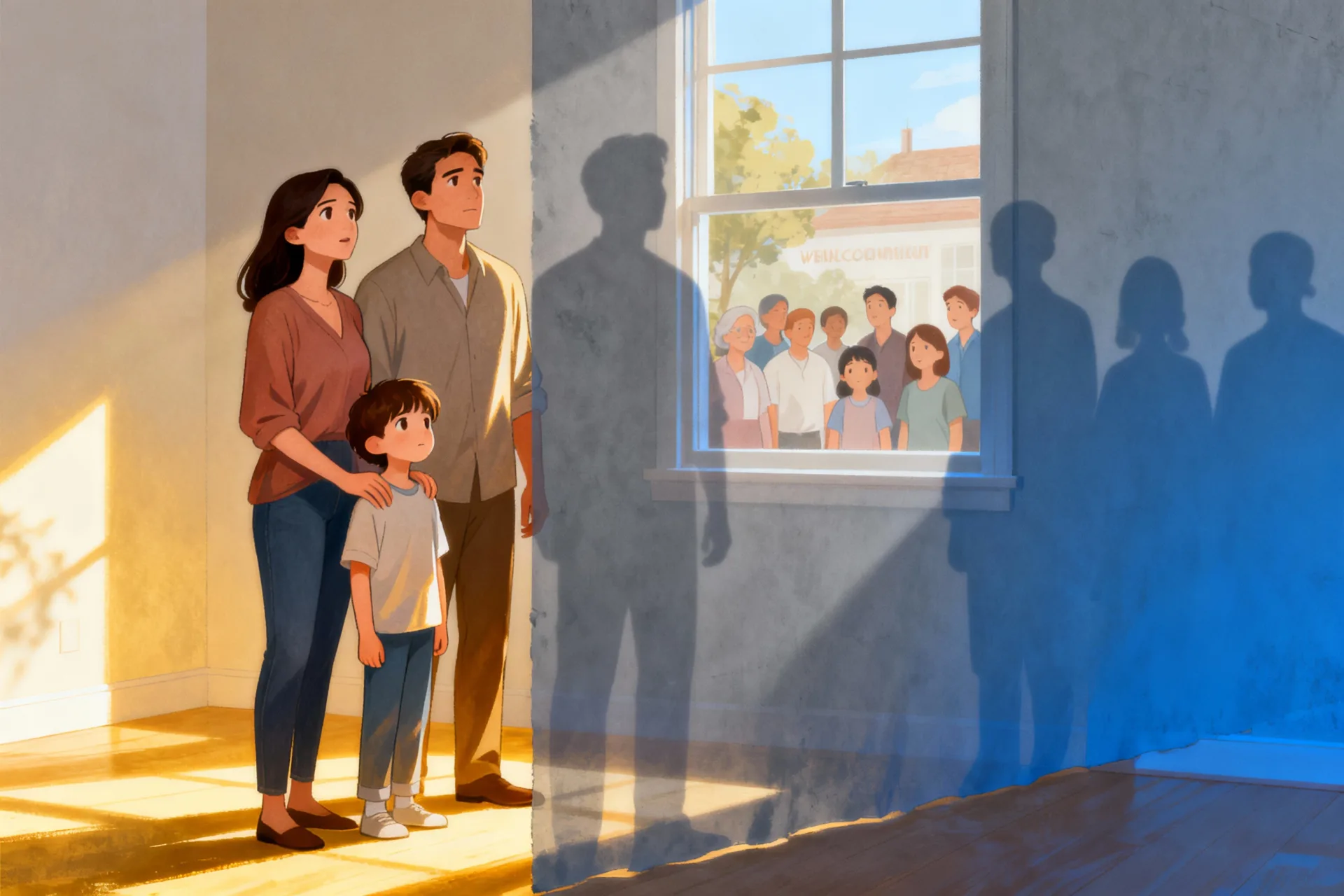
You’re curious about adoption, but you keep hearing things that make you hesitate. The process sounds long, expensive, and frankly terrifying, right? Maybe you worry a child won’t bond with you or you won’t qualify. Let’s bust those myths, because they scare off great families every day—and most of them don’t hold up.
“It costs a fortune”
Yes, adoption can cost money. So does pregnancy and raising a human to adulthood. The myth says only wealthy families can adopt. The reality? Options exist for every budget and family type.
What adoption paths actually cost
- Foster care adoption: Often free or very low cost. States typically cover legal fees and offer subsidies.
- Domestic infant adoption: Costs vary, but many agencies provide sliding scales, grants, and payment plans.
- International adoption: Usually the most expensive due to travel and legal requirements, but grants exist here too.
Financial help you might not know about
- Federal adoption tax credit (nonrefundable) can offset qualified expenses.
- Employer benefits like reimbursement and paid leave—more common than you think.
- Grants and loans from nonprofits that exist solely to help families adopt.
Bottom line: Money should not be the barrier it used to be. Ask agencies about funding resources early. IMO, if someone won’t talk transparently about costs, that’s your sign to walk.
“Only perfect people can adopt”
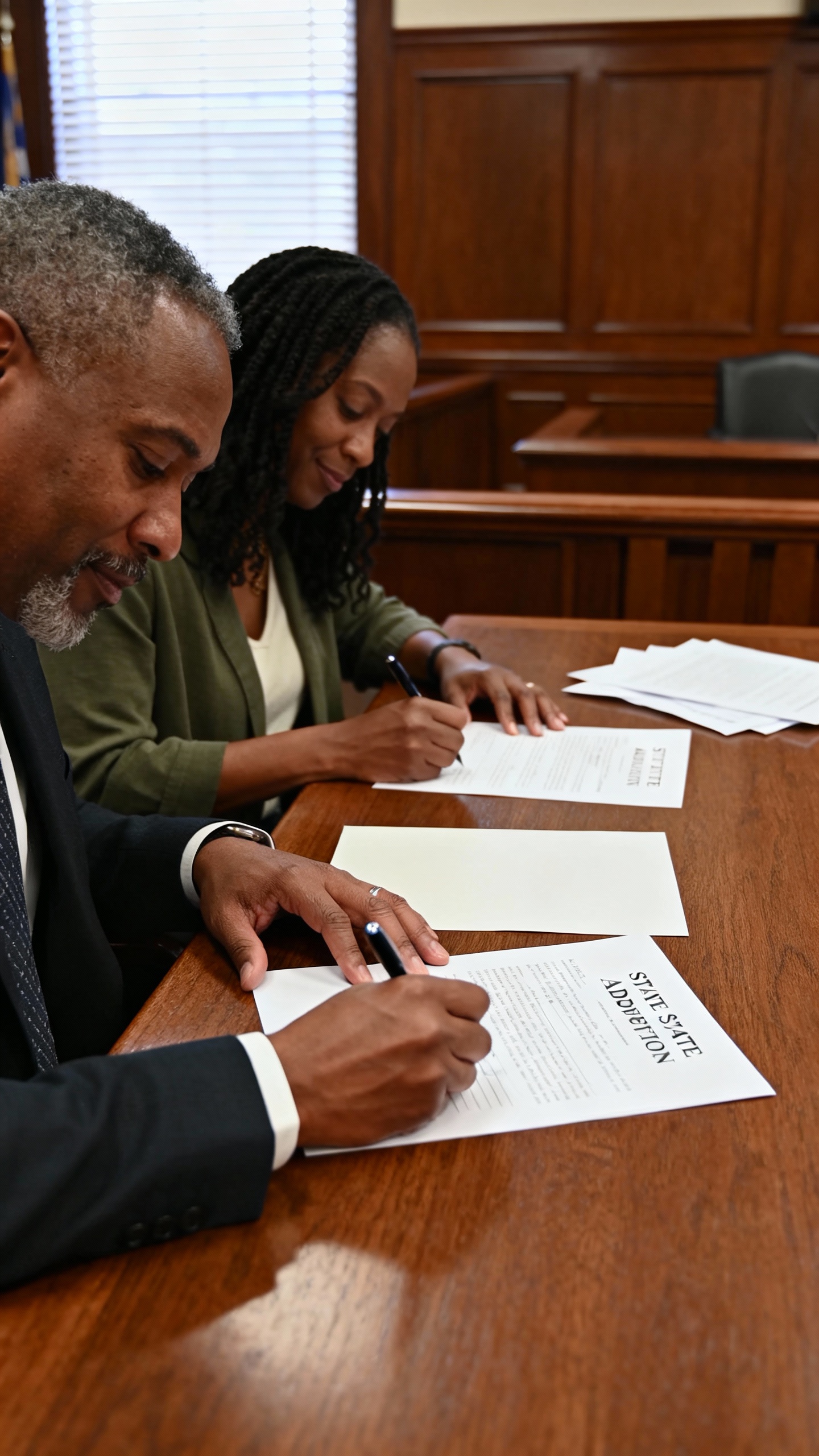
Spoiler: nobody’s perfect. You don’t need a magazine-ready house or two parents and a golden retriever. Agencies look for safe, stable, loving homes, not flawless humans.
What agencies actually care about
- Stability: steady income, responsible budgeting, consistent relationships.
- Safety: childproofing, smoke detectors, clean space (not pristine—just safe).
- Preparedness: willingness to learn about trauma, attachment, and openness.
- Support system: friends, family, or community who’ve got your back.
Single? Over 40? Renting? LGBTQ+? Tons of families adopt across every category. FYI: rules vary by country and agency, but the myth that “only a married couple in a big house can adopt” needs to retire.
“The process takes forever”
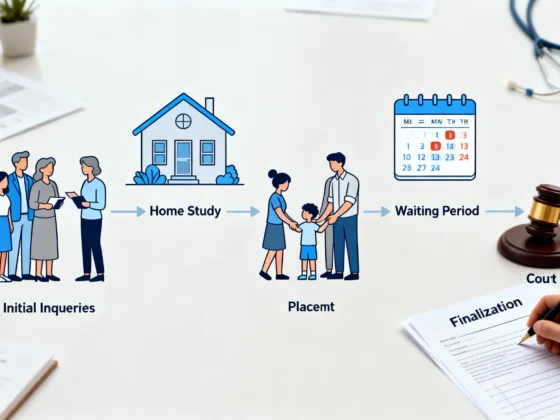
Could it take time? Yes. Does it always take years? No. Timelines vary by path and preferences. Foster care adoption often moves faster, especially for older kids and sibling groups.
What slows it down (and how to speed it up)
- Paperwork: Start immediately. Set weekly goals and keep a digital folder.
- Training: Knock it out early and lean in—you’ll use those tools later.
- Preferences: The narrower your criteria, the longer the wait. Be honest and flexible where you can.
- Agency fit: Interview multiple agencies. Ask about average timelines for your specific path.
If you want a realistic timeline, ask straight up: “For families like ours, what’s the average wait?” If they dodge, that tells you something.
“Open adoption sounds scary”

Open adoption gets a bad rap in movies. People imagine constant drama and boundary issues. In real life, openness usually means shared information and agreed-upon contact that supports the child’s identity.
Why openness helps kids
- Answers, not mysteries: Kids don’t have to wonder about their origins or make up stories to fill gaps.
- Identity support: They can hold both/and truths—loving their birth family and their adoptive family.
- Medical history: You get updates that can actually matter.
You decide boundaries together. Some families exchange letters and photos; some do visits. It’s not co-parenting. It’s a relationship built for the child’s benefit. And yes, you can adjust contact over time if things change.
“Kids placed for adoption have too much ‘baggage’”
I get why this scares people. Trauma exists. But “baggage” is a pretty rude word for a child’s life story. Kids need understanding, not labels. And you can absolutely learn the skills to support them.
What kids actually need from you
- Predictability: Routines, clear expectations, and calm follow-through.
- Connection-first parenting: Think curiosity over punishment, co-regulation over time-outs.
- Therapeutic tools: Trauma-informed therapists and parent coaching exist for a reason.
- Advocacy: Schools, doctors, and community programs can and should help.
Do some kids need extra services? Sure. But many thrive with stability and love. And frankly, lots of biological kids need services too. Support needs don’t disqualify a child from being an amazing fit.
“Birth parents will change their minds”

This myth shows up a lot with domestic infant adoption. People fear a last-minute reversal. The truth: states have clear consent laws and waiting periods. After legal finalization, the placement stands unless fraud or coercion occurred.
Do disruptions happen? Rarely, and usually before finalization. Ethical agencies honor birth parents’ rights and provide counseling so everyone makes informed decisions. Good ethics protect everyone—especially the child.
“Adoption means I won’t bond like a ‘real’ parent”
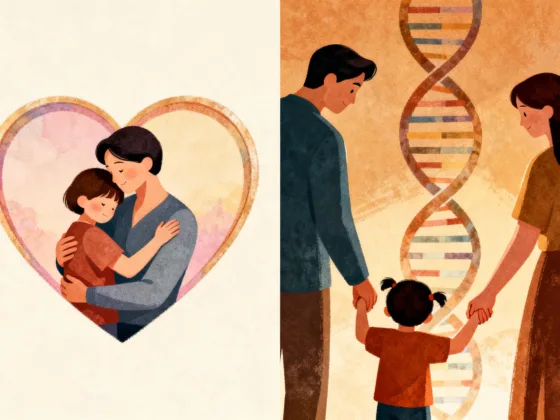
Attachment takes time. Newsflash: that’s true for biological parents too. Sleep deprivation humbles everyone equally. Bonding grows through daily care, not DNA.
How to nurture attachment
- Lots of nurture: snuggles, responsive feeding, eye contact, playful rituals.
- Intentional time: limit big transitions and visitors early on.
- Shared experiences: read, cook, build Lego cities, hike—whatever’s your vibe.
- Get help if needed: attachment-focused therapy works wonders.
If you struggle at first, that’s normal. Say it out loud and get support. IMO, vulnerability makes you a stronger parent.
Red flags and green lights when choosing an agency
You deserve clear info and ethical practices. Here’s a quick checklist to keep you grounded.
Green lights
- Transparency: written cost breakdowns, timelines, and policies.
- Education: robust pre- and post-adoption training and support.
- Birth family services: counseling, independent legal counsel, no pressure tactics.
- Diversity: staff and families reflect a range of backgrounds and experiences.
Red flags
- Guarantees: anyone promising a fast placement or a certain “type” of child—yikes.
- Vague fees: no itemized costs or surprise add-ons.
- Pressure: pushing you to expand preferences without education.
- No post-placement support: crickets after finalization is not okay.
FAQ
Do I need a huge house to adopt?
Nope. You need safe, adequate space—usually a separate bed for the child and, depending on age and gender, sometimes a separate bedroom. Agencies care more about stability and safety than square footage.
Can I adopt if I already have kids?
Yes. Many families do, and siblings can be a gift. You’ll just prepare your current kids for changes in routines and attention. Involve them in age-appropriate ways and keep family rituals steady.
What if I’m not sure I can handle older child adoption?
Totally fair. Learn first. Talk to parents who adopted older kids, take trauma-informed training, and meet with therapists who specialize in adoption. You can start with respite or mentoring to test the waters without committing prematurely.
Will my child resent me for adopting them?
Kids experience complex feelings about adoption—love, grief, curiosity, pride. That doesn’t equal resentment. When you validate those feelings and support openness where appropriate, most kids feel seen and secure. Your job isn’t to erase their past; it’s to honor it.
What’s the difference between foster-to-adopt and private adoption?
Foster-to-adopt starts in the public system with reunification as the first goal. If parental rights terminate and you’re the identified family, you may adopt. Private adoption usually involves working directly with an agency or attorney for a voluntary placement. Each path has different timelines, costs, and levels of uncertainty.
How do I start without getting overwhelmed?
Pick one next step. That’s it. Attend a local info session, schedule a consult with two agencies, or read a reputable adoption book. Build a simple folder, make a list, and set a small weekly goal. Momentum beats perfection.
Conclusion
Adoption myths sound loud because fear loves a megaphone. When you look closer, most “deal breakers” turn into manageable details with the right support. If your heart keeps nudging you, follow it one step at a time. Ask questions, build your village, and ignore the peanut gallery. Families form in lots of beautiful ways—and yours might be closer than you think.
EXPLORE MORE ON OHBABYCARE
Gentle guidance, early symptoms, and what to expect during pregnancy
PREGNANCY TIPSDaily baby routines, sleep tips, feeding guides, and calming techniques
BABY TIPSBaby health, safety, wellness, and expert-backed care advice
BABY HEALTHReal mom life, emotional support, recovery, and parenting balance
MOM TIPSMust-have baby accessories, practical tips, and everyday essentials
BABY ACCESSORIESHelpful adoption guidance, emotional support, and family preparation
ADOPTION TIPSTop-rated baby products, must-have essentials, and honest reviews
BEST BABY PRODUCTSHelpful videos, tutorials, routines, and real parenting moments
VIDEOS