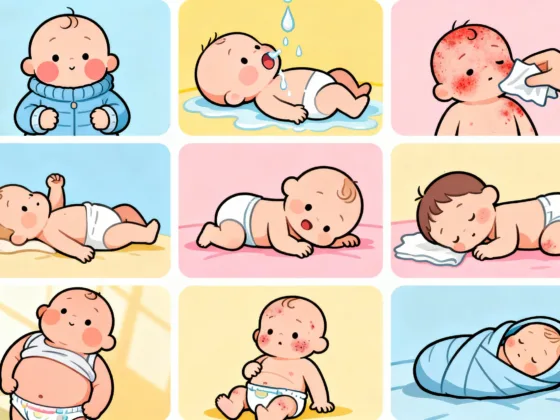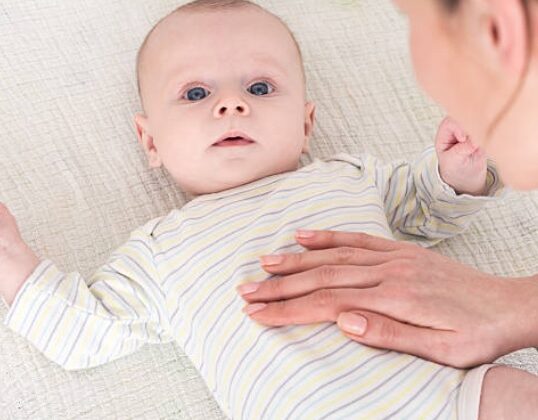
Babies come with many surprises; rashes top the list. One day their skin looks perfect, the next it’s a connect-the-dots situation. Most baby rashes look scary but mean something simple and fixable. Let’s decode the usual suspects so you can breathe easier and know when to call the doc.
Newborn Skin Quirks You Didn’t Sign Up For
Newborn skin runs dramatic. It reacts to heat, moisture, laundry detergent, and even your cuddles. The good news? Most rashes in babies are harmless and self-limited. The better news? You can do a lot at home to keep things calm.
Diaper Rash: The Classic
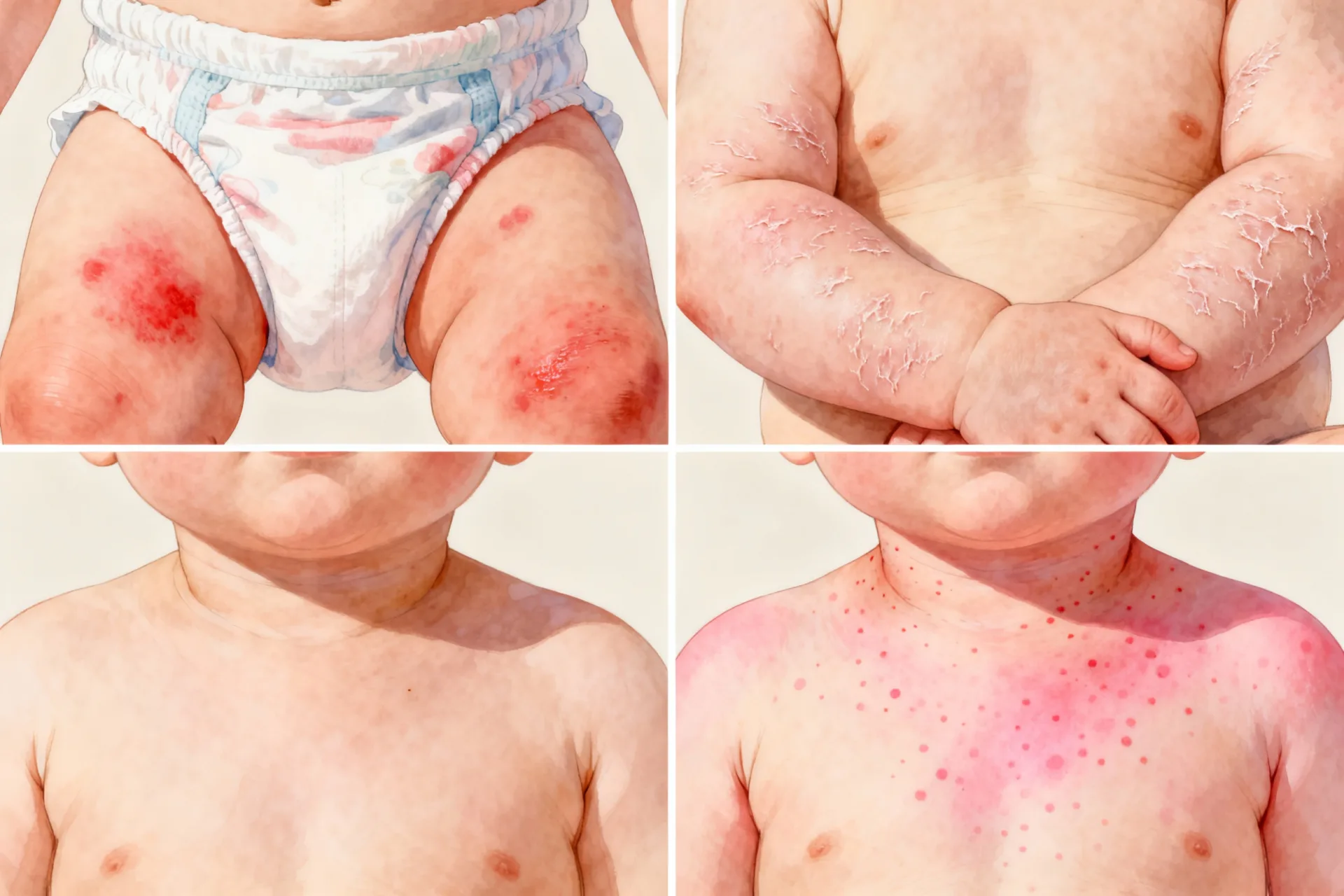
If your baby wears diapers (so, all of them), diaper rash will visit. You’ll see redness on the butt, genitals, and skin folds. It can look shiny and angry; your baby might fuss during diaper changes. Oof.
How to handle it:
- Air time: Let the area breathe. Diaper-free minutes work wonders.
- Barrier cream: Slather zinc oxide or petrolatum. Thick layer, like icing a cake.
- Gentle wipes: Use water or fragrance-free wipes. Pat, don’t scrub.
- Change often: Keep the area dry. Nighttime counts.
When it’s Candida (Yeast) Diaper Rash
Yeast loves warm, damp places. If the rash looks bright red with “satellite” dots around the edges or doesn’t improve in 2-3 days, think yeast. You’ll likely need an over-the-counter antifungal (like clotrimazole) twice daily plus your barrier cream. If it still hangs around after a week, check in with your pediatrician.
Baby Acne vs. Eczema: The Face-Off
Baby faces are drama queens. Two common culprits: baby acne and eczema. They look different, and they need different TLC.
Baby Acne (Neonatal Acne)
Tiny red bumps and whiteheads on cheeks, forehead, and nose. Usually shows up around 2-4 weeks old. It looks like your baby borrowed your teenage skin for a minute.
What to do:
- Wash gently with water once daily.
- Avoid oils and harsh soaps.
- Do nothing else. It clears on its own in a few weeks. Picking = bad idea.
Eczema (Atopic Dermatitis)
Dry, rough, scaly patches that itch like crazy. Often on cheeks, scalp, behind knees, and in elbow creases. It flares, then chills, then flares again—like it enjoys the drama.
What helps:
- Moisturize 2-3 times daily with thick, fragrance-free cream or ointment.
- Short, lukewarm baths with gentle cleanser.
- Hydrocortisone 1% for flares (ask your pediatrician, especially for the face).
- Dress in soft cotton; skip wool and fragranced detergents.
Heat Rash: When Sweat Gets Stuck
Hot day + baby folds = prickly heat. You’ll see tiny red or clear bumps on the neck, chest, back, or diaper area. It looks like your baby just ran a marathon. Without training. Because, well, baby.
Quick fix:
- Cool the environment: fan, shade, loose cotton clothing.
- Keep skin dry; skip heavy lotions that block pores.
- Lukewarm baths and pat dry.
Heat rash clears fast once you cool things down. If it doesn’t, reassess—maybe it’s something else.
Cradle Cap: The Flaky Hat
Cradle cap is seborrheic dermatitis. It looks like yellow, greasy scales on the scalp, eyebrows, and behind the ears. It’s not contagious. It’s not because you skipped bath day. It just… happens.
What to try:
- Massage scalp with a small amount of mineral oil or baby oil, then wash with gentle baby shampoo.
- Use a soft brush to lift flakes gently. No scraping.
- If stubborn: ask about medicated shampoos or mild steroid creams for short use.
Erythema Toxicum: The Scary Name That’s Actually Fine
This one sounds like a villain, but it’s harmless. Newborns often get red blotches with tiny white or yellow centers—like little bug bites—on the trunk and limbs. It comes and goes in the first week or two.
Treatment: None. It’s a quirky newborn thing. Poof, gone.
Hives and Allergic Rashes: The Plot Twist
Hives look like raised, itchy welts that change location over hours. They can pop up from foods, infections, or random mystery triggers. They look dramatic; your baby might seem uncomfortable.
What to do:
- Track new foods, meds, or detergents.
- Call your pediatrician for guidance, especially with first-time hives.
- Get urgent help immediately if you see swelling of lips or face, trouble breathing, drooling, or vomiting. That’s not a wait-and-see moment.
Contact Dermatitis
This happens when skin meets an irritant: fragrances, nickel snaps, certain wipes, or even plant oils. You’ll see red, sometimes bumpy patches right where the skin touched the offender.
Fix it fast:
- Stop the trigger (switch to fragrance-free everything).
- Apply gentle moisturizer; consider short-term hydrocortisone if your pediatrician okays it.
- Protect with barrier creams on friction-prone areas.
Rashes With a Fever: Don’t Ignore These
If your baby has a rash and a fever, you pay attention. Some viral rashes look harmless but need watching. Think roseola (high fever, then pink rash), hand-foot-and-mouth (blisters on palms, soles, mouth), or other viral exanthems.
Call your pediatrician if:
- Your baby is under 3 months and has any fever.
- The rash looks purple, bruise-like, or doesn’t blanch when pressed.
- There’s stiff neck, lethargy, or your gut says “nope.” IMO, your gut matters.
Simple Care Rules That Work for Most Rashes
You don’t need a pharmacy worth of products. You need a calm routine and a little detective work.
The Gentle-Skin Checklist
- Fragrance-free, dye-free everything: detergent, soaps, lotions.
- Short baths: 5-10 minutes, lukewarm, gentle cleanser only at the end.
- Moisturize right after bathing: lock in water with a thick cream or ointment.
- Dress in breathable cotton; avoid overheating.
- Clip nails short or use mittens to prevent scratching.
FAQ
How do I tell if a rash is serious?
Look for red flags: fever in a newborn, purple or bruise-like spots, a rash that doesn’t blanch when pressed, swelling of lips or tongue, breathing trouble, or your baby acting very sick. If any of those show up, seek care now. Otherwise, you can usually monitor at home for a day or two while you try gentle care.
Can I use coconut oil or natural remedies?
Sometimes, but “natural” can still irritate baby skin. If you try coconut oil, patch test on a small area first. For most rashes, plain petrolatum or a fragrance-free cream works better and causes fewer issues, FYI.
What laundry detergent should I use?
Use a fragrance-free, dye-free detergent labeled for sensitive skin. Skip fabric softeners and dryer sheets—they often trigger irritation. If a rash improves after you switch, you found your culprit.
When should I see a pediatrician for eczema?
If moisturizing and gentle care don’t help after a week, if your baby can’t sleep from itching, or if you see yellow crusts or pus (possible infection), call your pediatrician. You might need prescription-strength treatments and a better prevention routine.
Is baby acne related to breastfeeding or my diet?
Not really. Baby acne comes from newborn skin adjusting to hormones and the outside world. It’s not your coffee or your chocolate. It clears on its own, so hands off and patience on.
What if the diaper rash keeps coming back?
Recurrent rashes might mean yeast, a too-tight diaper, or a reaction to wipes. Try more air time, switch to water and cotton pads, and use a thick zinc oxide barrier each change. If it still returns, ask your pediatrician about antifungals or checking for sensitivity to a specific brand.
Bottom Line
Baby rashes look dramatic but usually mean simple stuff: moisture, heat, sensitive skin, or mild irritation. Keep it gentle, keep it dry, and protect the skin barrier. When in doubt, send a quick photo to your pediatrician and trust your gut. You’ve got this—and yes, your baby’s skin will calm down long before they start asking for the car keys.
EXPLORE MORE ON OHBABYCARE
Gentle guidance, early symptoms, and what to expect during pregnancy
PREGNANCY TIPSDaily baby routines, sleep tips, feeding guides, and calming techniques
BABY TIPSBaby health, safety, wellness, and expert-backed care advice
BABY HEALTHReal mom life, emotional support, recovery, and parenting balance
MOM TIPSMust-have baby accessories, practical tips, and everyday essentials
BABY ACCESSORIESHelpful adoption guidance, emotional support, and family preparation
ADOPTION TIPSTop-rated baby products, must-have essentials, and honest reviews
BEST BABY PRODUCTSHelpful videos, tutorials, routines, and real parenting moments
VIDEOS