You don’t “start” the adoption process so much as you tumble into it and discover a maze, a marathon, and a master class in patience. I thought I just needed a few forms, a home visit, boom—parenthood. Cue laugh track. If you’re standing at the starting line, here’s everything I wish someone told me before I hit “submit” on that first application.
The Paperwork Pile Is Real (But You Can Outsmart It)
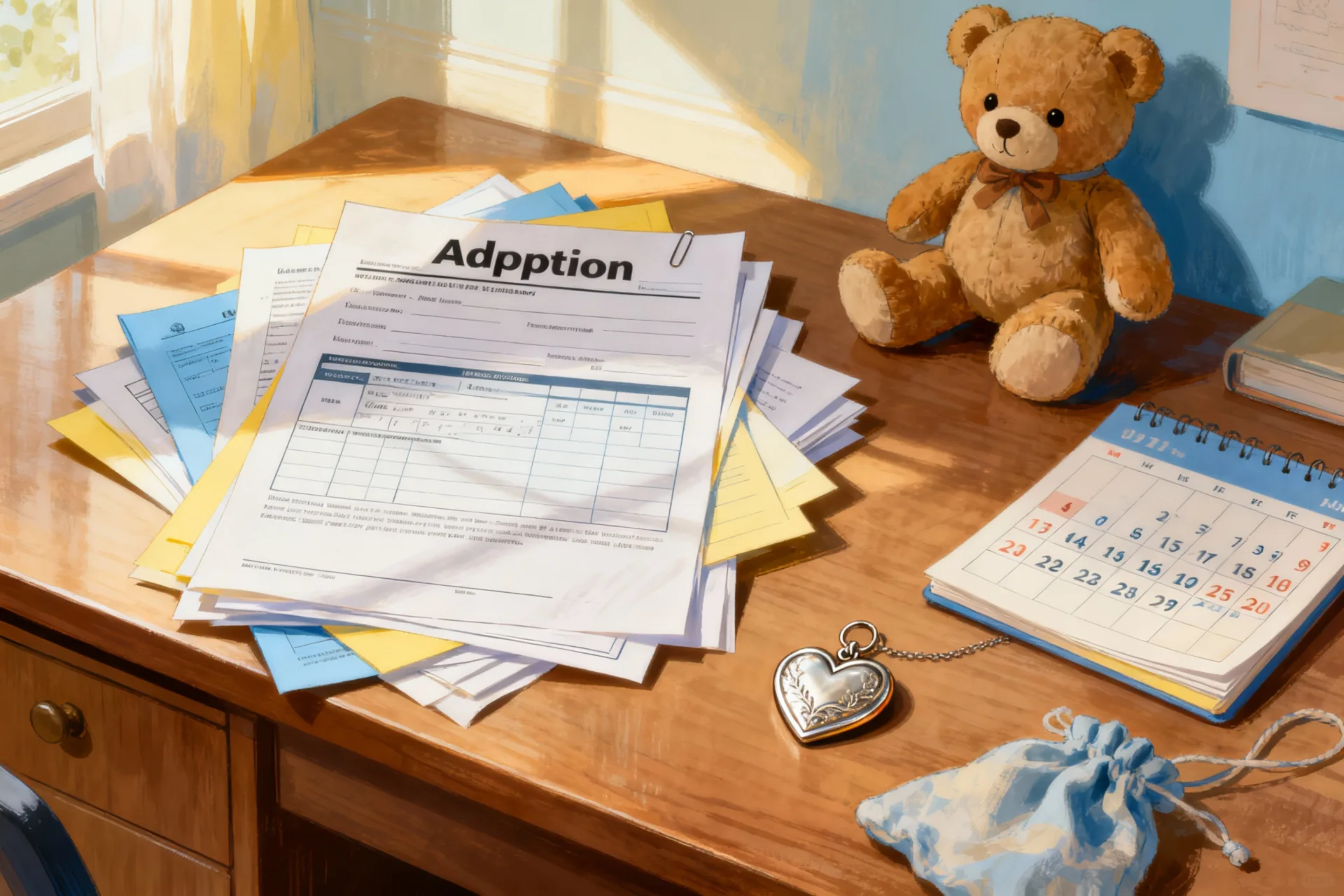
You’ll drown in forms unless you set up a system early. Agencies, background checks, medical forms, reference letters—each one requires another document to prove another document exists. It’s like origami, but with your sanity.
Do this on day one:
- Create a shared digital folder (Google Drive or similar) with subfolders: IDs, Medical, Financial, Home Study, Reference Letters, Training, Legal.
- Use a naming convention: LastName_Type_Date (e.g., Rivera_FBI_2026-01-15).
- Scan everything as a PDF immediately. No loose papers lurking in drawers.
- Track deadlines with a simple spreadsheet: document name, status, date submitted, expiration date.
FYI: Expiration Dates Are Sneaky
Some documents expire mid-process, which means surprise re-dos. Vaccination records, physicals, and clearances often carry a 6–12 month clock. Set reminders to renew 30 days before the deadline and you’ll avoid the scramble.
“Timeline” Means “Shrug Emoji”

Agencies and websites may give tidy estimates. Those are “best-case Sundays.” Real life? Your timeline depends on your preferences, your openness to different situations, and about twenty variables no one controls.
What actually affects timing:
- Type of adoption (domestic infant, foster-to-adopt, kinship, international)
- Openness to needs (age range, medical needs, sibling groups)
- Your state’s process speed (some states move like molasses)
- Agency capacity and staff turnover
So, what do you do while waiting? Build your support network, keep learning, and live your life. Seriously. Put trips and birthdays on the calendar. Adoption doesn’t reward people who put life on pause.
The Home Study Isn’t a White-Glove Inspection
I cleaned like a gremlin before our first visit. Newsflash: they don’t care about your baseboards. The home study evaluates safety, stability, and your readiness to parent—not whether you fold towels into little hotel swans.
Expect:
- Interviews about your childhood, relationships, finances, and why you want to adopt
- Home safety checks (smoke/CO2 detectors, locked meds, safe storage for hazards)
- Proof of income, insurance, and living situation
- Parenting training hours
What They Actually Want to See
They want to see that you learn from mistakes, handle conflict, and support a child’s connection to their first family and culture. Honesty wins. Perfection doesn’t.
You’ll Spend Money—Know Where It Goes

Let’s talk brass tacks. Adoption can cost anywhere from minimal fees (foster care) to tens of thousands (domestic infant and international). It’s not “buying a baby” (please don’t say that, ever). You’re paying professionals—social workers, attorneys, licensing, counseling, travel, and post-placement support.
Budgeting basics:
- Application + home study: Often a few thousand
- Agency + matching + legal: Varies widely
- Travel + lodging: If you match out-of-state or internationally
- Post-placement visits: Required, not optional
Financial Help Exists
- Adoption tax credit: A federal credit that can offset qualified expenses over multiple years—talk to a CPA who knows adoption.
- Employer benefits: Many companies reimburse part of costs and offer leave.
- Grants/fundraising: Legit options, but research carefully and keep dignity front and center.
Openness Isn’t Just a Buzzword
I thought “open adoption” meant occasional photos. Then I learned it’s a relationship—fluid, evolving, and centered on the child’s needs. Openness can involve regular contact, phone calls, even visits. It won’t look the same for everyone, and that’s okay.
Why it matters:
- Kids benefit from answers about their story
- Birth family members get respect and connection
- You gain allies who love your child too
Boundaries Keep Everyone Safe
Define communication methods and frequency early. Use shared email for updates. Have a plan for visits. Work with your agency or therapist to navigate tough moments. Boundaries = clarity, not coldness.
Trauma-Informed Parenting Changes Everything

Every adoption story includes loss, even joyful ones. That loss shows up as behaviors that don’t always make sense from the outside. Trauma-informed parenting helps you respond to what’s underneath—not just the behavior.
Core ideas:
- Connection first: Calming co-regulation before correction
- Structure + nurture: Predictability paired with warmth
- Curiosity over judgment: “What happened to you?” not “What’s wrong with you?”
- Therapy is normal: Adoption-competent therapists are gold
Tools That Actually Help
- Parenting models like TBRI and collaborative problem solving
- Visual schedules, sensory tools, and calm-down spaces
- Scripts for tricky questions at school or the park
Your Story Isn’t Just Yours
I wanted to shout our joy from the rooftops. But your child’s history belongs to them. Share the basics with friends, and keep the details private. If someone asks a nosy question, you can say, “That’s our child’s story to share when they’re ready.” Short. Simple. Done.
Social media rule of thumb: Post love, not specifics. Avoid pre-birth announcements that pressure expectant parents. And never share identifying details of birth family without consent. IMO, err on the side of less.
Build Your Crew Before You Need Them
You need people who bring casseroles and compassion, not commentary. Line up help early so you don’t crowdsource in a crisis.
Useful support list:
- Adoption-competent family therapist
- Pediatrician comfortable with adoption and trauma
- Mentor parents who’ve adopted (different paths = better perspective)
- Friends who’ll take the 2 a.m. “I’m spiraling” text
Boundaries for Your Crew
Tell close friends what you need:
- “Please don’t quiz our child about their past.”
- “We’ll handle discipline—follow our lead.”
- “If we cancel, we’re not flaky; we’re surviving.”
Red Flags I Ignored (Don’t Be Me)
Learn from my face-palms:
- Vague agencies: If they dodge questions about fees, timelines, or ethics, run.
- Guaranteed matches: No one can guarantee anything. That’s marketing, not reality.
- Pressure tactics: Ethical professionals give space for decisions.
- No post-placement plan: You’ll need support after finalization, not just before.
Questions to Ask Any Agency or Attorney
- What services do you provide to expectant/birth parents before and after placement?
- How do you ensure fully informed, voluntary consent?
- What’s your average wait time for families with our preferences?
- Itemized fees, refund policies, and what happens if a match fails?
- How do you support openness agreements and conflict resolution?
FAQ
How long does the adoption process usually take?
It varies wildly. Domestic infant adoption might take months to several years. Foster-to-adopt depends on reunification timelines and court schedules. International adoption hinges on country-specific rules. Build flexibility into your expectations and your calendar.
What’s the difference between open, semi-open, and closed adoption?
Open adoption includes direct contact between adoptive and birth families. Semi-open often uses an agency or attorney to mediate updates without sharing personal info. Closed means no ongoing contact. Many families land somewhere in the middle, and the level of openness can shift over time based on comfort and the child’s needs.
What if a match falls through?
It hurts. Give yourself permission to grieve and get support from people who understand adoption-specific loss. Ask your agency how they’ll adjust fees and what emotional support they offer. Then regroup with your team and decide when you’re ready to continue.
How do I talk to my child about their adoption?
Start early and keep it age-appropriate. Use simple narratives when they’re little and add details as they grow. Normalize their questions. Make space for complex feelings—yours and theirs. Books, life books, and therapy can help you build a shared language.
Do I need a lawyer if I use an agency?
Usually yes. Agencies handle matching and services, but you still need an attorney for consents, terminations, and finalization. Choose someone experienced in adoption law in your state. Your child’s birth parent(s) should have independent legal counsel too—ethical practice 101.
What should I put in our adoption profile?
Be yourself. Share your daily life, not just the highlight reel. Show your support system, your values, and how you’ll honor the child’s first family and culture. Use candid photos, avoid clichés, and keep the tone warm and respectful. Think “authentic, not audition.”
Conclusion
Adoption will stretch you, humble you, and surprise you in the best and hardest ways. If you build a solid support system, ask hard questions, and stay child-centered, you’ll navigate the mess with more grace (and fewer meltdowns—yours, at least). The process may look chaotic on the outside, but you can move through it with intention, humor, and heart. FYI, you’ve got this—one form, one conversation, one small brave step at a time.
EXPLORE MORE ON OHBABYCARE
Gentle guidance and must-know advice inside
PREGNANCY TIPSEveryday routines, sleep, feeding, and calm support in
BABY TIPSHealthy habits, wellness, and baby care insights inside
BABY HEALTHReal-life mom life, balance, and emotional support in
MOM TIPSProduct picks, essentials, and honest recommendations in
BABY ACCESSORIESKind, thoughtful guidance and resources inside
ADOPTION TIPSHelpful how-to’s, routines, and real moments in
VIDEOS