
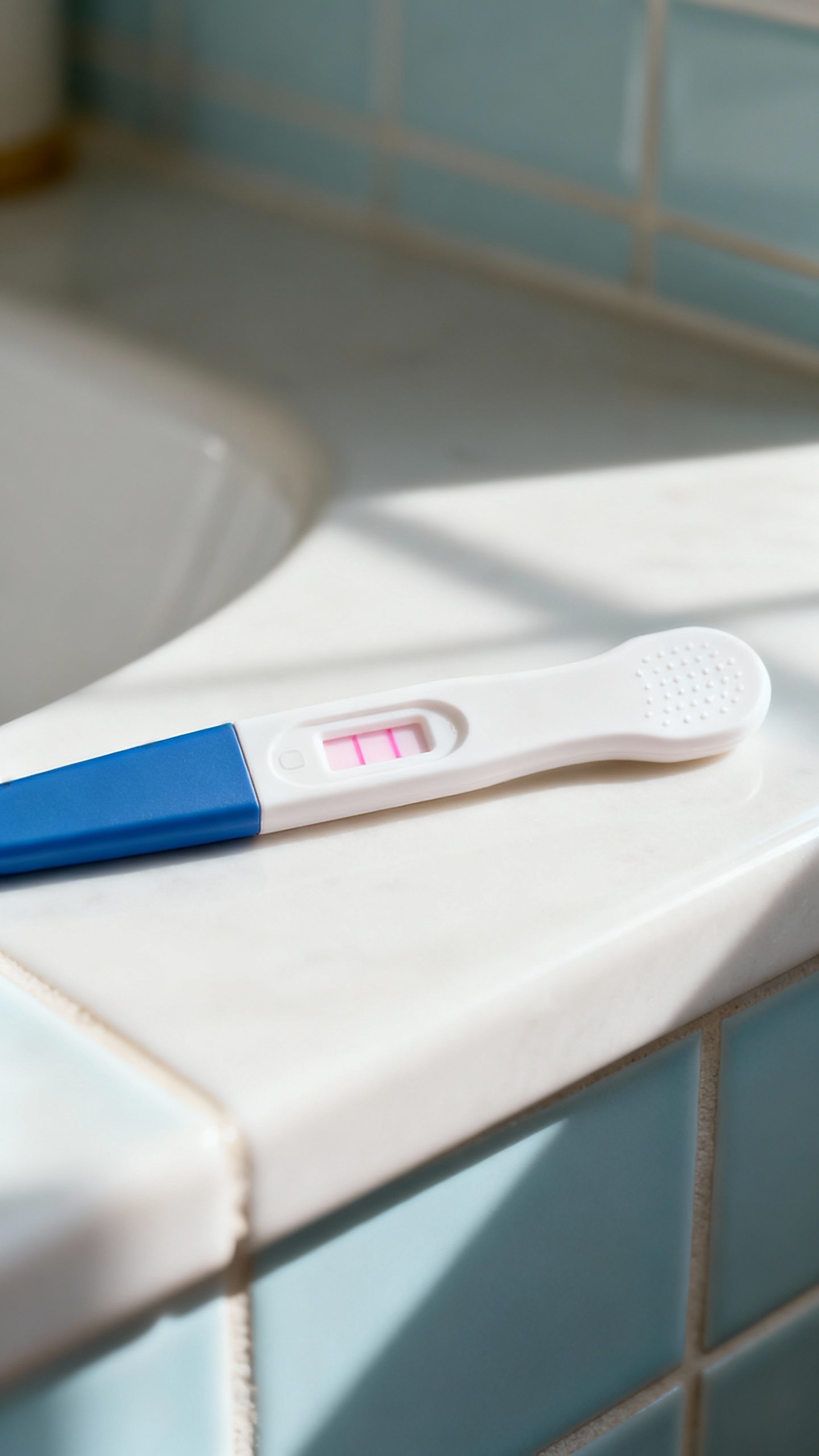
You pee on a stick, see the lines, and boom—your body suddenly feels like it joined a secret club with bizarre initiation rituals. Some symptoms feel wild or even alarming, but guess what? Many of them are totally normal. Let’s walk through the stuff that can freak you out at first—and why you usually don’t need to panic.
Spotting and Weird Discharge
Light spotting early on can send your brain straight to worst-case scenarios. Deep breath. Many people experience light spotting during implantation (around the time your period is due). It often looks like pink or brown smudges, not a heavy flow.
Discharge can also change. You might notice more of it, and it can look milky or creamy. Increased discharge protects you from infections—your body’s building security detail. If it smells foul, looks green/yellow, or comes with itching, call your provider.
What’s normal vs. call-your-doctor-now?
- Normal: Light spotting that doesn’t soak a pad, especially after sex.
- Call: Heavy bleeding, bright red flow, clots, or cramps that make you double over.
Cramping That Feels Like Your Period
Annoyingly, early pregnancy cramps can mimic PMS. Your uterus stretches and blood flow increases. Mild, on-and-off cramps without heavy bleeding usually count as normal.
Twinges on one side? That can be a corpus luteum cyst doing its hormone thing—super common and usually harmless. Heat pads on low and hydration help. FYI, dehydration loves to cause cramps.
When cramping crosses the line
- Normal: Mild, dull cramps that come and go.
- Call: Severe pain on one side, shoulder pain, dizziness, or fainting. Those can signal an ectopic pregnancy—don’t wait on that.
Nausea, Vomiting, and the World’s Rudest Nose
Morning sickness rarely respects the “morning” part. Queasiness, gagging at random smells, and occasional vomiting are extremely common. Your sense of smell turns into a bloodhound’s, and suddenly your partner’s shampoo is your sworn enemy.
Try small, frequent snacks. Ginger, vitamin B6, and cold foods can help. Keep crackers on your nightstand like a seasoned pro. IMO, finding a “safe” food you can tolerate becomes your new mission.
When you need more help
- Call: If you can’t keep liquids down for 24 hours, you pee very dark or barely at all, you feel weak or dizzy, or you lose weight quickly. That might be hyperemesis gravidarum and you deserve treatment—not suffering.
Exhaustion That Hits Like a Truck
Feel like you could nap on a sidewalk? First-trimester fatigue shows up hard. Your body’s building a placenta—a full-on life-support system—and it demands energy.
Give yourself permission to do less. Snacks with protein, steady hydration, and a short daily walk can help. If you snore or wake up gasping, mention it—pregnancy can trigger sleep apnea.
Random Aches, Pains, and “Stabby” Sensations
Round ligament pain can feel like a fast, sharp jab in your lower belly or groin when you roll over, cough, or stand up too fast. It’s just your ligaments stretching to support a growing uterus. Annoying, yes. Dangerous, usually no.
Back pain, hip ache, and pelvic pressure also join the party, especially later. A belly band, supportive shoes, and gentle stretches can be clutch. IMO, a warm shower works wonders.
When aching demands attention
- Normal: Brief sharp pains with movement, dull aches at the end of the day.
- Call: Persistent, severe pain that doesn’t improve with rest, pain plus fever, or sudden swelling in one leg (risk of a clot).
Heartburn, Bloating, and Constipation (Glorious Trio)

Your hormones relax your digestive tract, and your stomach says, “Okay, chaos it is.” Heartburn, gas, and constipation are normal. Your growing uterus also presses on everything like a nosy neighbor.
Try:
- Smaller meals and don’t lie down right after eating.
- Fiber + water (aim for at least 8 cups a day).
- Magnesium supplements or stool softeners—ask your provider for safe options.
- Antacids like calcium carbonate can help with heartburn (check labels, ask first).
Dizziness, Headaches, and Feeling… Weird
Blood volume rises and blood pressure may dip. Lightheadedness when you stand up fast? Totally normal. Eat regularly, drink water, and move slowly from sitting to standing.
Headaches can tag along too. Rest, hydration, and safe pain relievers (your provider can confirm what’s okay) usually help. If headaches get severe or come with vision changes or swelling later in pregnancy, call right away.
Breast Changes That Seem Intense
Fullness, soreness, darkening nipples, visible veins—it’s all normal prep work for feeding a tiny human. A supportive, non-underwire bra can be life-changing. Cooling gel pads also feel ridiculously good.
Mood Swings and Anxiety Spikes
One minute you’re weepy at a dog food commercial; the next, you’re furious at your sock drawer. Hormones plus massive life change equals emotions doing gymnastics. Mood swings, irritability, and anxious thoughts happen to many people.
Talk it out, set boundaries, and don’t doom-scroll. If anxiety or sadness feels heavy or constant, or you lose interest in things you normally enjoy, tell your provider. You deserve support—therapy and other treatments can help, and you’re not “failing” at pregnancy by needing them. FYI, mental health matters as much as blood pressure.
FAQ
How much spotting is okay in early pregnancy?
Light spotting—think a few drops or smudges, pink or brown—can be normal. If you need a pad, see bright red blood, pass clots, or have strong cramps, call your provider promptly.
Can cramping mean miscarriage?
Cramping can happen in normal pregnancies and in miscarriages, which is why it feels scary. Mild, short-lived cramps without heavy bleeding usually don’t signal a problem. Severe cramps with bleeding or passing tissue warrant a call right away.
What helps morning sickness fast?
Try small, frequent snacks, cold or bland foods, ginger chews, and vitamin B6. Some people benefit from doxylamine (an antihistamine) at night—ask your provider about dosing. If you can’t keep fluids down or you feel faint, you need medical help, not “toughing it out.”
Is it normal to feel dizzy when I stand up?
Yes. Your blood vessels relax and blood pressure can dip, especially early on. Rise slowly, sip water often, and eat regularly. If you faint, have chest pain, or your heart races irregularly, get checked.
Which pains are “okay” during pregnancy?
Brief sharp twinges with movement, dull back or pelvic aches, and occasional headaches are common. Severe, persistent pain, pain with fever, one-sided leg swelling, or vision changes need evaluation.
When should I go to the ER during pregnancy?
Head in if you have heavy bleeding, severe abdominal pain, signs of ectopic pregnancy (one-sided pain, shoulder pain, dizziness), fluid gushing from the vagina before 37 weeks, decreased fetal movement after you usually feel it, chest pain, trouble breathing, or severe headache with vision changes.
Bottom Line
Pregnancy symptoms can feel weird, gross, or downright alarming—and still be totally normal. Your body’s rewriting itself on the fly, and it comes with side effects. Trust your gut, keep your provider looped in for anything severe or persistent, and don’t white-knuckle through misery when help exists. IMO, the best pregnancy mantra is simple: hydrate, rest, ask questions, and give yourself ridiculous amounts of grace. You’ve got this.
EXPLORE MORE ON OHBABYCARE
Gentle guidance and must-know advice inside
PREGNANCY TIPSEveryday routines, sleep, feeding, and calm support in
BABY TIPSHealthy habits, wellness, and baby care insights inside
BABY HEALTHReal-life mom life, balance, and emotional support in
MOM TIPSProduct picks, essentials, and honest recommendations in
BABY ACCESSORIESKind, thoughtful guidance and resources inside
ADOPTION TIPSHelpful how-to’s, routines, and real moments in
VIDEOS