
You’re pregnant—cue the mix of joy, terror, and the urge to Google “is hiccuping a sign of labor?” every five minutes. You don’t need a lecture; you need real talk and practical tips you can actually use. So let’s ditch the fluff, skip the guilt, and get you the essentials you’ll lean on when the baby kicks at 3 a.m. and your socks suddenly feel like medieval torture devices.
Start With the Basics: What Your Body’s Doing (and Why You’re Not Broken)
Your body just enrolled in a nine-month masterclass in transformation. Expect weird, wonderful changes—like stronger nails, thicker hair, and the sudden need to nap like a cat. Also expect bloating, nausea, and the inability to remember where you parked.
Key shifts to know:
- Hormones run the show: They handle everything from mood swings to ligament loosening. If you cry over an ad for paper towels, you’re normal.
- Your heart works harder: Increased blood volume can make you dizzy. Stand up slowly and drink water like it’s your job.
- Digestion slows down: Hello, heartburn. Small, frequent meals and avoiding late-night spicy food can help.
When to call your provider
If you notice heavy bleeding, severe headaches, vision changes, persistent pain, or reduced baby movements after you’ve been feeling them regularly, call your doctor or midwife ASAP. No “I don’t want to bother them” energy—bother them.
Food, Prenatals, and the “What Can I Actually Eat?” Question

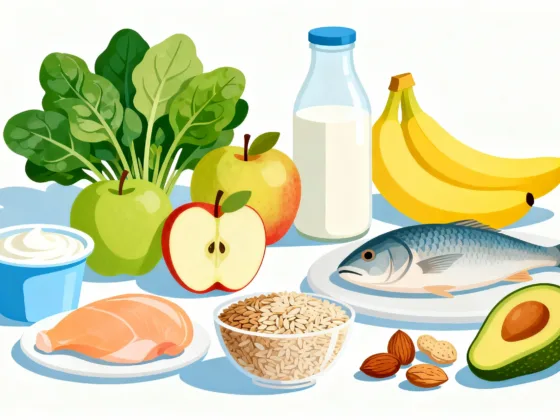
Let’s keep this simple: you don’t need a fancy diet, just a balanced one. And yes, you can still eat carbs. Please eat them.
Build your plate with:
- Protein: Eggs, lean meat, tofu, beans. Helps with growth and keeps you full when snacks become a personality trait.
- Complex carbs: Whole grains, oats, quinoa. Your energy will thank you.
- Healthy fats: Avocado, nuts, olive oil. Baby’s brain = big fan.
- Fiber + water: Pair them like a power couple to reduce constipation.
Supplements that matter:
- Prenatal vitamin: Take daily. Choose one with folic acid (or methylfolate), iron, iodine, and DHA.
- Vitamin D: If your levels run low, ask your provider about dosing.
- Iron: If you feel extra wiped and labs show anemia, add iron with vitamin C for better absorption.
What to limit or skip
- High-mercury fish: Swordfish, king mackerel. Choose salmon, shrimp, sardines instead.
- Deli meats and soft cheeses: Unless heated to steaming or pasteurized.
- Caffeine: Keep it to about 200 mg/day (one 12-oz coffee, FYI).
- Alcohol and smoking: Hard no.
Move That Body (Gently, Consistently, Joyfully)
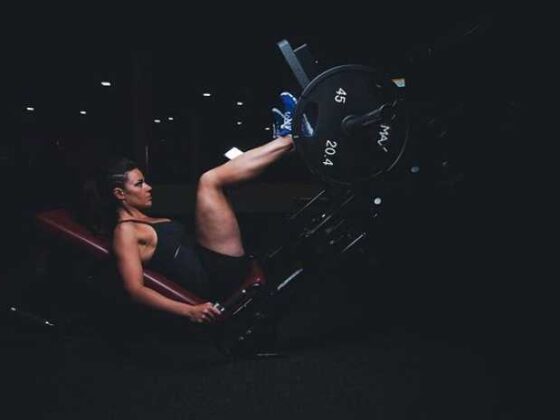
Exercise helps you sleep better, manage stress, and prep for labor. You don’t need to become a fitness influencer; you just need to move.
Easy wins:
- Walking: Low impact, mood-boosting, great for most trimesters.
- Prenatal yoga or Pilates: Improves balance, strength, and breath control for labor.
- Strength training: Light weights help with posture and back pain.
Moves to avoid (or modify)
- Hot yoga and contact sports: Too risky.
- Deep twisting or lying flat on your back after mid-second trimester: Can mess with blood flow.
- Anything that makes you dizzy, breathless, or painful: Your body will tell you. Listen.
Nausea, Sleep, and Other “Fun” Symptoms

Morning sickness is a liar—it shows up whenever it wants. The good news? You can manage it.
For nausea:
- Small, frequent meals: Never let your stomach go totally empty.
- Ginger and B6: Tea, candies, or supplements (check with your provider).
- Cold foods: Smell-sensitive? Cold foods often feel easier.
For sleep:
- Pillow fortress: Side-sleeping with a pillow between knees = magic.
- Light snacks before bed: Stabilizes blood sugar.
- Screen break: Cut phones 30 minutes before bedtime—your brain needs a landing strip.
Pelvic floor: don’t wait
Learn how to relax and strengthen your pelvic floor (not just clench forever). A pelvic floor therapist can help you with breath, posture, and pushing techniques. IMO, it’s one of the best prenatal investments.
Appointments, Tests, and the Paperwork You Don’t Want to Think About
You’ll have lots of check-ins. They exist to keep you and baby safe, not to stress you out.
Expect these along the way:
- Ultrasounds: Early dating scan, anatomy scan around 20 weeks.
- Blood tests: Screen for anemia, infections, and sometimes genetic conditions.
- Glucose screen: Usually around 24–28 weeks to check for gestational diabetes.
- Group B strep swab: Late in pregnancy. Super quick. Not glamorous.
Decisions to consider
- Birth location and provider style: Hospital, birth center, home—choose what fits your risk level and comfort zone.
- Doula support: Doulas provide continuous labor support and reduce interventions. Worth a look.
- Leave and insurance: Start the paperwork early. Future-you will applaud this.
Build Your Support Squad (Because You Don’t Need to Be a Hero)
You’ll do amazing things—but you shouldn’t do them alone. Ask for help now, not when you’re sleep deprived and crying over cold coffee.
Who to recruit:
- Your partner or a primary support person: Share tasks, practice labor coping together, talk expectations.
- Trusted friends/family: Meal train, dog walks, rides to appointments.
- Professionals: Doula, lactation consultant, pelvic floor PT, mental health therapist.
Create a realistic postpartum plan
- Meals: Batch cook or set up delivery gift cards. Future gold.
- Visitors: Set boundaries. Short visits, no “surprise” drop-ins.
- Housework: Outsource if you can. If not, lower standards. Dust bunnies won’t judge you.
Gear You Actually Need (and What You Don’t)
Hot take: babies need less than marketing tells you. Focus on comfort and safety.
Keep it simple:
- Car seat: Non-negotiable. Get it installed and checked before your due date.
- Safe sleep space: Crib or bassinet with a firm flat mattress and fitted sheet. That’s it.
- Feeding essentials: Nursing? Nipple cream and breast pads. Bottle-feeding? A few bottles and a gentle formula your pediatrician recommends.
- Diapers + wipes: Start small; babies outgrow sizes fast.
- Onesies, sleepers, swaddles: Zippers over snaps forever.
Nice-to-haves (but not must-haves):
- Baby carrier: Helps you do life with two hands.
- Sound machine: Great for sleep cues.
- Changing pad: A towel on the bed works too—FYI, babies pee mid-change. Often.
Mental Health: Name It, Normalize It, Navigate It
Pregnancy can feel beautiful and brutal on the same day. If you feel anxious, sad, or overwhelmed, you’re not failing—you’re human.
What helps:
- Talk about it: With your partner, a friend, or a therapist trained in perinatal mental health.
- Create tiny rituals: A short walk, a five-minute stretch, a journal check-in.
- Limit the comparison trap: Social media highlights aren’t reality. IMO, mute liberally.
Know the red flags
If you struggle to function, lose interest in things you love, or have thoughts of self-harm, reach out immediately to your provider or a crisis line. You deserve help and you can feel better.
FAQ
How much weight should I gain?
It varies based on your pre-pregnancy body and your provider’s guidance. The goal isn’t a number; it’s steady growth that supports your health and baby’s. Focus on nourishing food, movement, and regular check-ins rather than the scale.
Can I drink coffee?
Yes, in moderation. Keep it around 200 mg of caffeine per day—about one 12-oz coffee. If you feel jittery or nauseated, swap to half-caf or tea.
Is it safe to travel while pregnant?
Usually yes during the second trimester, when energy and comfort peak. Stay hydrated, walk around every hour or two, and wear compression socks for long flights. Always confirm with your provider if you have any complications.
Should I take a childbirth class?
Highly recommended. A good class teaches coping techniques, what to expect in labor, and how to advocate for yourself. It also helps your partner feel confident instead of deer-in-headlights.
What if I don’t feel an instant bond with my baby?
You’re not alone. Bonding can take time, especially after a tough birth or when you’re exhausted. Skin-to-skin, babywearing, and support from loved ones can help—talk to your provider if it worries you.
Do I need a birth plan?
Think of it as birth preferences, not a script. Note your priorities—mobility, pain management, cord clamping, golden hour—and bring it to appointments. Flexibility matters because birth likes to improvise.
Bottom Line: You’ve Got This
You don’t need perfection—you need a few steady habits, a supportive crew, and the ability to roll with surprises. Trust your body, ask questions, and keep your sense of humor close. The learning curve feels steep now, but you’ll find your rhythm. And when in doubt, breathe, snack, and call your provider—solid life advice, pregnant or not.
EXPLORE MORE ON OHBABYCARE
Gentle guidance, early symptoms, and what to expect during pregnancy
PREGNANCYDaily baby routines, practical care tips, and support for first-time parents
BABY CAREBaby health, safety, wellness, and expert-backed care advice
BABY HEALTHTop-rated baby products, must-have essentials, and honest reviews
BEST BABY PRODUCTSMust-have baby accessories, practical tips, and everyday essentials
BABY ACCESSORIESReal mom life, emotional support, recovery, and parenting balance
MOM LIFEHelpful adoption guidance, emotional support, and family preparation
ADOPTION