An honest, practical guide for busy parents who want safe, cushy floors without turning their living room into a foam fortress. I’m breaking down what to look for, how to compare mats, and which picks actually survive a wriggly toddler. Let’s keep the chaos contained and the smiles big.
Why Foam Play Mats Are A Parent’s Best Friend
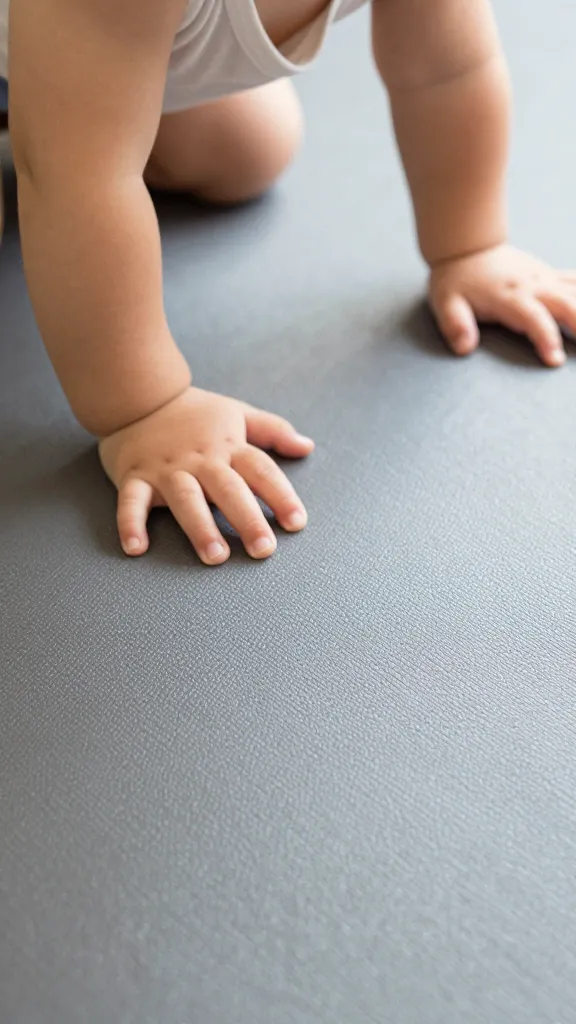
Foam mats give crawlers a soft landing and parents a little peace of mind. They’re lightweight, easy to wipe down, and come in colors and textures that spark curiosity. The right mat makes tummy time less of a grudge match and more of an adventure. FYI, a good mat can also muffle noisy floor clacks when your tiny co-pilot discovers their new stomping grounds.
Key Things to Look For Before You Buy
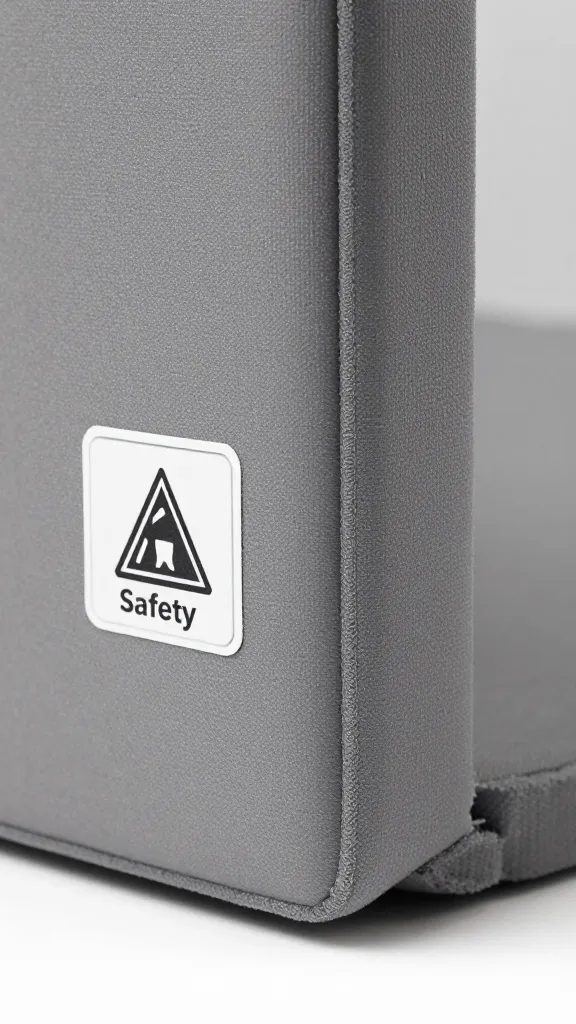
- Safety certifications: Look for mats that meet safety standards and have premium edge seams that won’t peel away with a rough play session.
- Thickness and density: Thicker isn’t always better, but you want enough cushion for falls. Around 1 to 1.5 inches works for most toddlers.
- Texture variety: A mix of smooth and gently textured surfaces gives sensory play without being overwhelming.
- Ease of cleaning: Removable covers or wipe-down surfaces are a win. Grimy seams? Not so much.
- Portability: If you travel or move rooms often, consider interlocking tiles or roll-up mats.
- Durability: Look for closed-cell foam that resists tearing and water absorption. Spoiler: this is why you don’t want those super cheap foams.
Top Picks for Different Play Styles

Every family is different, so here are picks tailored to crawling, creative play, and easy cleanup. IMO, you’ll find a few that feel like they were made for your living room.
Best Overall: The All-Arounder Mat
This mat nails a balance between comfort, safety, and longevity. It’s thick enough to cushion a tumble, but not so bulky that you can’t roll it up for storage. The surface resists stains, and the seams stay intact after endless little leaps.
Best for Sensory Play: Textured Surfaces
If your little one loves exploring different textures, go for mats that offer a range of patterns and tactile surfaces. These stimulate touch and curiosity while still protecting tiny knees. Bonus: they’re great for early texture association games with names like rough, bumpy, or ribbed.
Best for Small Spaces: Interlocking Tiles
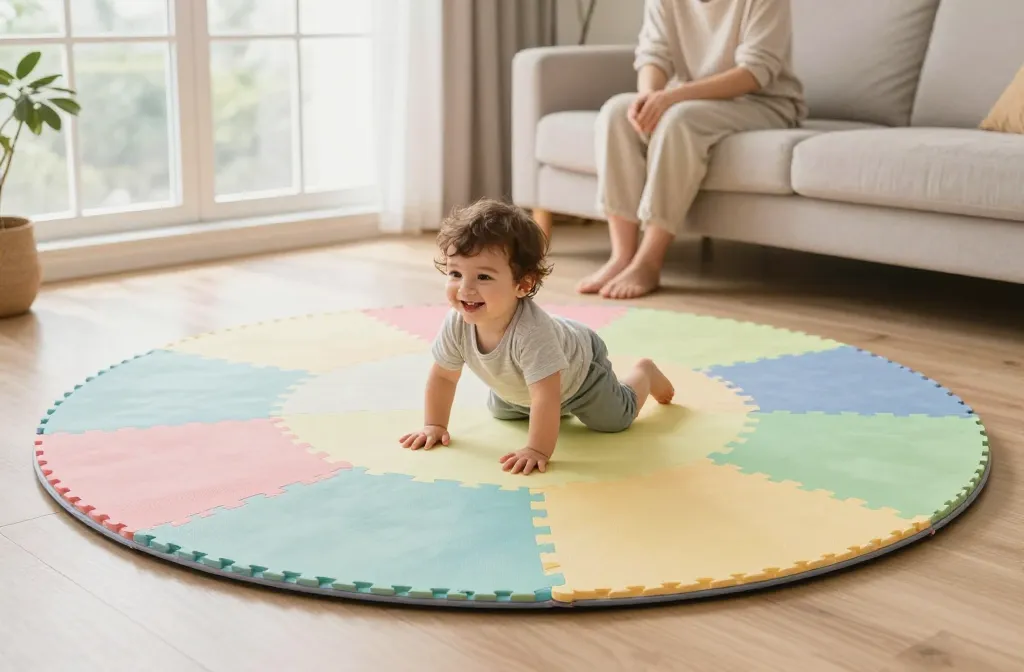
Living room corners can get crowded fast. Interlocking tiles let you create a snug play area that can expand over time. They’re easy to assemble, disassemble, and store behind a couch or in a closet. Plus, you can mix and match colors to suit your vibe.
Best for Clean-Up: Washable Covers
Spills happen. Mats with removable, washable covers make clean-up a breeze. You’ll save time and wear on your surface cleaner while keeping the play area hygienic for crawlers who like to mouth everything.
Best Budget Pick: Value-Driven Mats
Not every great mat costs a fortune. There are budget-friendly options that still offer safety, decent thickness, and easy cleaning. FYI, the cheapest isn’t always best—check seams and density before you buy.
How to Set Up an Inspiring Crawl Zone

- Choose a flat, dry area free from sharp edges and small objects that could become hazards.
- Lay the mat with connectors snug and seams closed to avoid gaps in the play surface.
- Scatter a few age-appropriate toys to invite crawling without turning the space into a clutter maze.
- Rotate toys every few days to keep curiosity high without reorganizing the room constantly.
Pro Tip: Zone It Right
Dedicate a “gross motor” corner with more cushioned mats and a “fine motor” corner with smaller textures. It helps with development and makes play sessions feel intentional rather than chaotic.
Maintenance Made Simple
- Wipe down daily with a mild soap solution. Quick and easy keeps grime at bay.
- Spot-clean stains as soon as they appear. Don’t let juice turns into giggly, stubborn ghosts of messes.
- Check seams every few weeks for wear. Early repair means longer mat life.
- Store rolled or flat, depending on space. Rolling helps prevent creases that can trap dirt.
Stain-Busting Shortcuts
For a stubborn mark, mix a dab of mild dish soap with warm water, apply gently, then wipe away. Avoid harsh chemicals that could irritate sensitive skin or fade colors.
Safety First: What Parents Should Know
Foam mats are generally safe when used as intended, but there are a few caveats. Always supervise crawling sessions, keep mats away from stairs or fireplace zones, and check for any wear or tear that could create small gaps or loose edges.
Common Myths Debunked
Myth: More thickness equals safer. Reality: Thickness helps, but edge stability and surface texture matter just as much. Myth: Mats are slippery. Reality: A good surface should be non-slip on both hard floors and carpet, with a stable base that won’t slide around.
FAQ
Are foam play mats safe for newborns too?
Most foam play mats are designed for babies who are starting to roll and crawl, typically around 4-6 months onward. For newborns, you’ll want a softer, more surface-friendly setup and always supervise. Switch to firmer, less textured areas as they grow and start moving more.
How do I clean foam mats without damaging them?
Wipe with a mild soap solution and a damp cloth. For tougher stains, a gentle baking-soda paste can help. Avoid bleach or harsh solvents. Dry thoroughly to prevent mold or mildew in seams.
Can I use foam mats on carpet?
Yes, but make sure the mats lay flat and don’t bunch up. Interlocking tiles tend to stay put better on plush carpets than standard flat mats.
What’s the best thickness for a crawling toddler?
Around 1 to 1.5 inches is a sweet spot for most kids. It cushions falls but keeps limbs free for mobility. If your little one is especially active or prone to tumbles, lean toward the thicker end.
Do mats come in eco-friendly options?
Yes. Look for mats made from non-toxic materials and those that advertise low-VOC formulations. Some brands offer recycled or plant-based foams, which are a nice bonus for eco-conscious households.
How long do foam play mats typically last?
With regular use and proper care, quality mats can last several years. Interlocking designs often hold up best because the seams stay intact and the surface remains smooth after repeated use.
Conclusion: Your Ideal Safe-Cloor Play Setup
Choosing the right foam play mat is about balancing cushion, durability, and clean-up ease. The right pick makes crawling a joy for your kid and a little less chaotic for you. So, pick a mat that matches your space, your budget, and your tolerance for mini-tumbles. You’ll thank yourself when messes clean up in seconds and curiosity stays vibrant all day long. IMO, a great mat pays for itself in giggles and wiped-down floors.
EXPLORE MORE ON OHBABYCARE
Gentle guidance, early symptoms, and what to expect during pregnancy
PREGNANCYDaily baby routines, practical care tips, and support for first-time parents
BABY CAREBaby health, safety, wellness, and expert-backed care advice
BABY HEALTHTop-rated baby products, must-have essentials, and honest reviews
BEST BABY PRODUCTSMust-have baby accessories, practical tips, and everyday essentials
BABY ACCESSORIESReal mom life, emotional support, recovery, and parenting balance
MOM LIFEHelpful adoption guidance, emotional support, and family preparation
ADOPTION