
An introduction that actually grabs attention: soft and breathable crib sheets can dramatically improve baby sleep, and yes, you can find them without turning your nursery into a fabric lab. Let’s dive into the cozy details, debunk a few myths, and get you back to sleepy bliss—mom and dad deserve that, right?
Why Breathability Matters for Baby Sleep
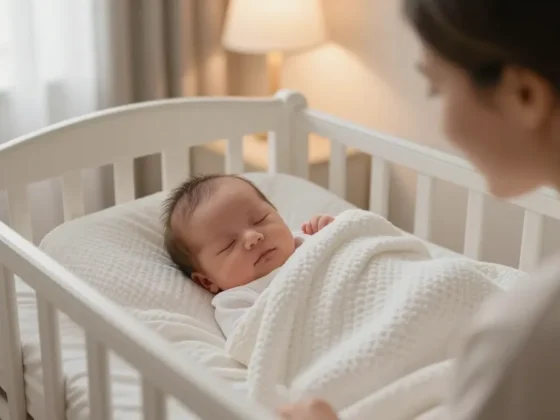
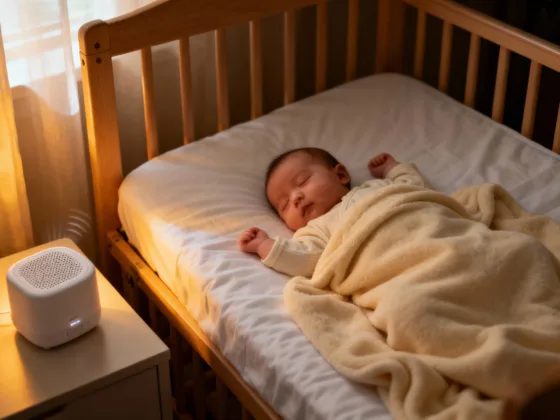
Breathable fabrics help prevent overheating, reduce sweating, and keep your little one comfy through those unpredictable nap times. When sheets wick away moisture and stay cool, sleep tends to stay on the woke side—i.e., peaceful. FYI, cooler babies often mean easier bedtimes and longer stretches.
What “breathable” actually means in crib sheets
– Open-weave fabrics let air circulate
– Threads pull moisture away from the skin
– Fewer sauna-like moments during sleep transitions
Breathability isn’t a buzzword; it’s a real comfort factor. If your baby fan is on high at 2 a.m., breathable sheets might be the difference between a wakeful cuddle session and actual zzz time.
Materials That Make a Difference
Choosing the right fabric is half the battle. Cotton is classic for a reason: soft, durable, and pretty good at staying cool. But there are other contenders that bring different vibes and benefits.
Cotton: the reliable workhorse
– 100% cotton is gentle on sensitive skin
– Weave matters: percale feels crisp; sateen feels silky
– Easy to wash and quick to dry
Other breathable options to consider
– Bamboo blends: naturally moisture-wicking and soft
– Tencel or lyocell: breathable with a touch of luxury
– Linen blends: fabulous for hot climates, crinkly texture and all
Tip: Always check for GOTS or OEKO-TEX certifications if you’re worried about chemicals. IMO, it’s worth the extra peace of mind.
Safety First: What to Look For in Crib Sheets
You want sheets that fit snugly, stay put, and don’t pose a suffocation risk. Here’s the quick checklist.
- Triple-check fit: snug elastic all the way around
- GOTS/Oeko-Tex certified fabrics is a bonus
- Low-pilling finishes prevent rough patches
- Easy-care care: machine washable, quick-drying
- Color-fast patterns to avoid fading and leaching
Fit matters more than you think
A loose sheet is a nightmare. Ensure you measure the crib mattress and compare to sheet sizes. If the sheet slips, babies wake up—nobody wants a midnight sheet wrestling match.
How Breathable Sheets Impact Sleep Quality
Breathable sheets aren’t just about comfort; they influence sleep cycles. Cooler, drier skin tends to settle more easily, reducing wake-ups tied to discomfort.
- Less night sweats = longer uninterrupted stretches
- Gentle textures reduce irritation or fussiness
- Fewer mid-sleep temperature shifts
Real talk: temperature zones
If your nursery runs warm, breathable sheets act like a mini air conditioner for blankets—without making it chilly. It’s a balancing act, but breathable fabrics give you more room to adjust layers.
Maintenance Tips That Keep Breathability Alive
High-tech fabrics can feel magical, but care routines matter to maintain softness and moisture-wicking properties.
- Wash with mild, fragrance-free detergent
- Avoid fabric softeners that can clog fibers
- Air-dry when possible or use low heat
- Skip chlorine bleach—harsh stuff dulls fabric
Gentle routine, big payoff
A simple ritual: wash on cold, tumble dry low, remove promptly to prevent wrinkles. Your sheets will stay comfy longer, and you’ll avoid that crunchy feel on baby’s skin.
Decor, Color, and Texture: Finding the Right Look
You don’t have to sacrifice style for function. Breathable sheets come in a spectrum of colors and textures, so you can keep the nursery cohesive and cute.
- Solid colors for a calming vibe
- Delicate patterns that hide minor stains
- Natural textures like percale’s crispness or sateen’s softness
Mix and match ideas
– Pair a soft sateen sheet with a breathable cotton fitted sheet for a layered look
– Try a neutral base and add a pop of color with a lightweight blanket
– For themed nurseries, choose breathable sheets in your accent colors to keep the room airy and not overwhelmed
Budget and Longevity: Getting the Most for Your Money
Breathable sheets range from budget-friendly basics to premium luxe. The trick is to balance cost with durability and fit.
- Look for higher thread counts only if the weave actually improves feel and breathability
- Compare price per wear—how long do they stay soft after multiple washes?
- Read reviews focusing on fit and durability, not just softness
When to upgrade
If the sheets pill, fade, or start to feel stiff after a handful of washes, it’s time for a replacement. Your baby deserves a comfy cocoon that holds up.
Real Parents, Real Feedback: What People Notice
Parents often report better sleep routines when they switch to breathable sheets. Fewer overheating nights, fewer mid-night awakenings, and more confident bedtimes. IMO, the real win is less stress for you—the adult in charge of bedtime.
Common questions from families
– Do breathable sheets help with reflux sleep? They can contribute to overall comfort, but position and feeding strategies matter as well.
– Are bamboo sheets safe for babies? Yes, if they’re certified and properly fitted.
– Can you machine wash and dry pocket sheets? Usually yes, just follow care labels.
– Do patterns affect sleep? Subtle patterns can be soothing; loud prints might be overstimulating for some babies.
FAQ section
Are breathable crib sheets actually safer for babies?
Breathable sheets primarily improve comfort and help regulate temperature. They’re not a safety substitute for proper sleep practices, but they reduce some common sleep friction points like overheating and sweating.
What should I look for in a newborn-safe sheet?
Choose a snug-fitting sheet with a solid, flat seam, no loose threads, and a fabric that’s certified for baby use. Avoid strong fragrances and avoid heavy chemical finishes.
How often should I replace crib sheets?
If the sheet shows wear, pills, or loses elasticity, it’s time to replace. Regular washing can shorten the life of softer fabrics, so inspect every few months.
Do I need to worry about allergies?
If you suspect sensitivities, go for hypoallergenic options and certifications. Wash new sheets before first use to reduce residue from manufacturing.
Can I use a sleep sack with breathable sheets?
Absolutely. A breathable sheet pair can work with a sleep sack to help regulate temperature without overheating.
Conclusion: A Simple Change, A Big Sleep Benefit
Soft and breathable crib sheets aren’t just a small upgrade—they’re a practical move toward calmer nights for you and more restful sleep for your baby. The right fabric, a snug fit, and smart care habits combine to create a cozy cocoon that helps your little one drift off faster and stay asleep longer. So yes, invest in breathable sheets, tweak your room temperature, and savor those precious hours of uninterrupted baby zzzs. You’ve got this.
EXPLORE MORE ON OHBABYCARE
Gentle guidance, early symptoms, and what to expect during pregnancy
PREGNANCYDaily baby routines, practical care tips, and support for first-time parents
BABY CAREBaby health, safety, wellness, and expert-backed care advice
BABY HEALTHTop-rated baby products, must-have essentials, and honest reviews
BEST BABY PRODUCTSMust-have baby accessories, practical tips, and everyday essentials
BABY ACCESSORIESReal mom life, emotional support, recovery, and parenting balance
MOM LIFEHelpful adoption guidance, emotional support, and family preparation
ADOPTION