You’ve got a tiny human moving in soon, and the internet insists you need twelve different contraptions to warm wipes. You don’t. You need a smart setup that makes daily life easier, keeps baby safe, and saves your sanity at 2 a.m. Let’s cut the fluff and talk about the gear that actually earns its keep in the first year.
Sleep Setup That Doesn’t Make You Cry
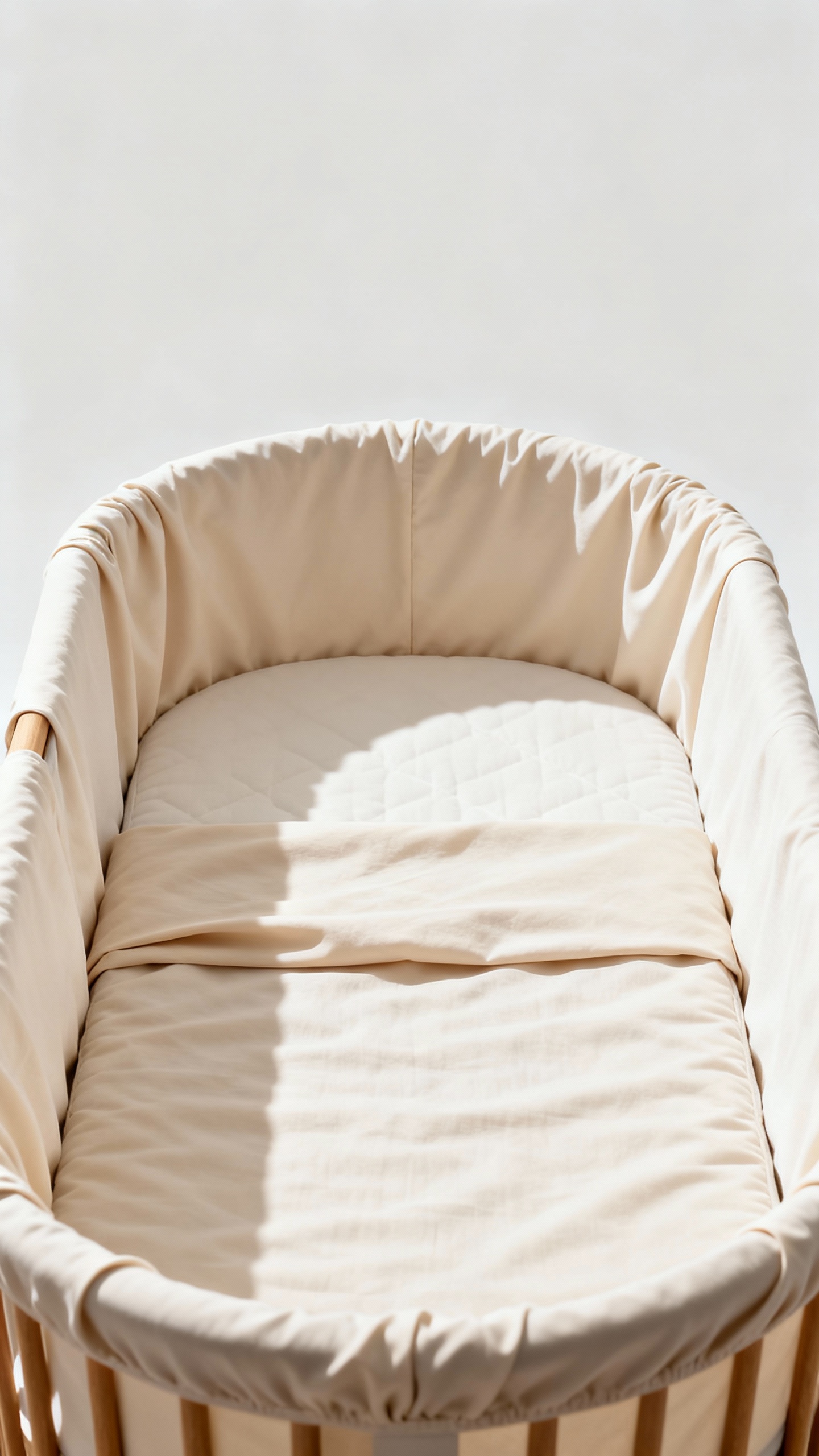
A good sleep setup makes the whole house happier. Start with a safe place for baby to sleep: a bassinet or crib with a firm mattress and a fitted sheet. Skip the pillows, blankets, bumpers, and stuffed animals. I know they look cute. They don’t belong in the crib.
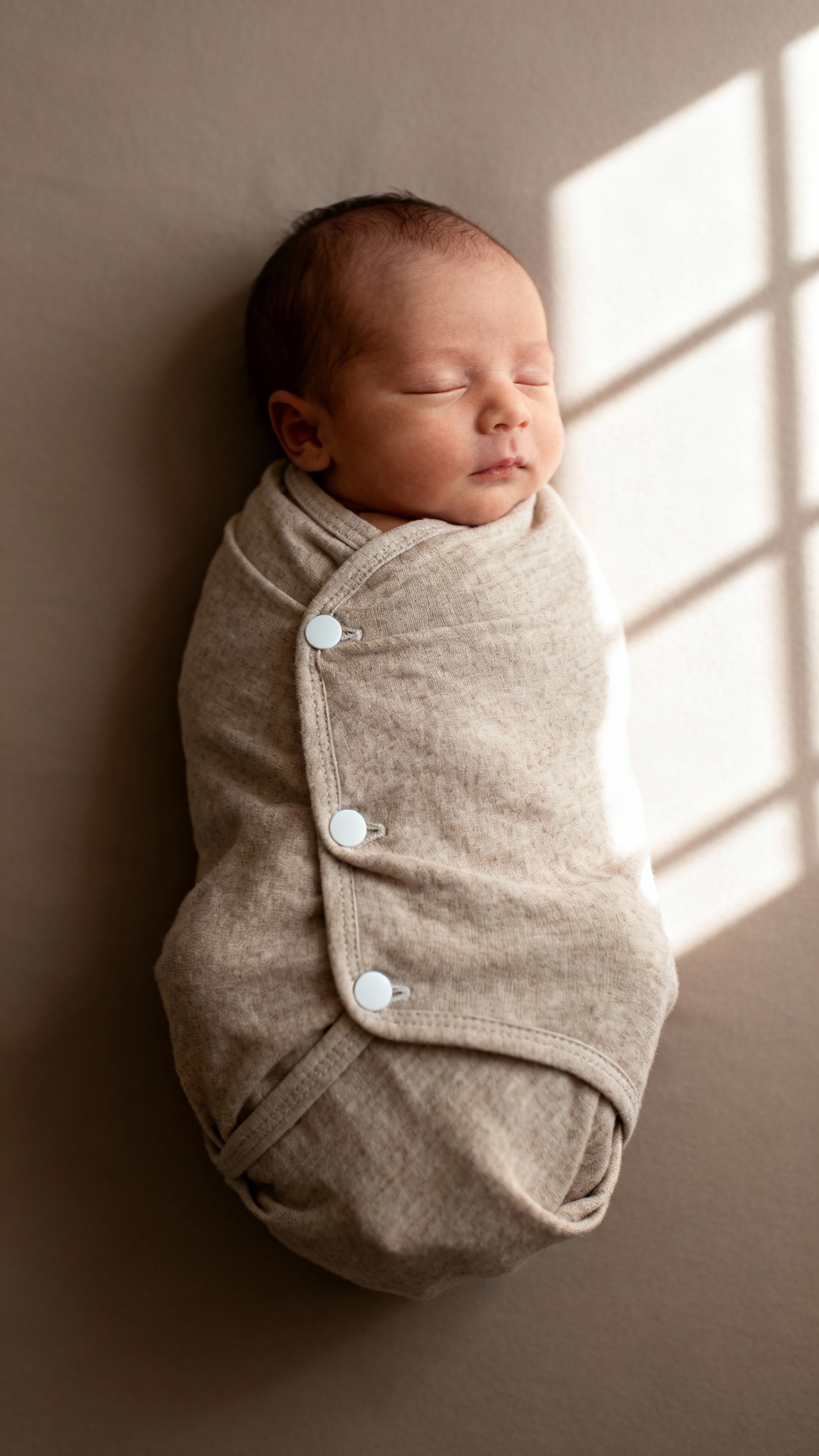
You’ll also want a swaddle or sleep sack for those early months. Velcro swaddles feel like cheat codes at 3 a.m. When rolling starts, switch to a sleep sack. And yes, a sound machine helps: baby slept through the dog barking? Thank white noise.
Sleep Add-Ons Worth Considering
- Blackout curtains: Great for naps and early mornings. Your future self will thank you.
- Video monitor: Not essential but lovely for peace of mind and avoiding the creaky-room-ninja-walk.
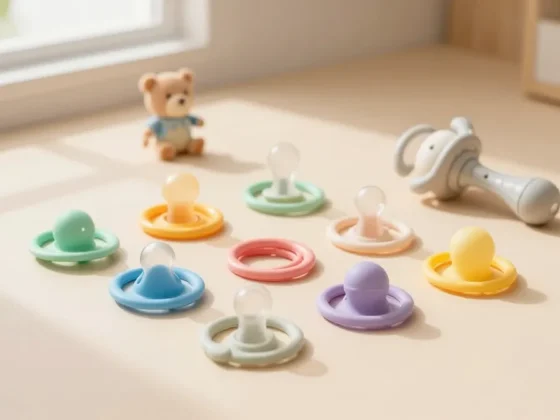
- Pacifiers: Keep a few. They disappear like socks in a dryer.
Feeding: Keep It Simple, Keep It Clean
Feeding gear depends on whether you breastfeed, formula feed, or both. IMO, plan for flexibility because babies don’t read your birth plan.
- Bottles and nipples: Start with 4–6 bottles and a couple nipple flow sizes. Babies have preferences. Who knew?
- Bottle brush + drying rack: You’ll use these daily. A simple rack beats drying towels piled on your counter.
- Burp cloths: Lots. Like, more than you think. Old T-shirts also work, FYI.
- High chair: You’ll need one around 4–6 months. Choose something easy to wipe, not a crumb labyrinth.
If You’re Breastfeeding
- Nursing pillow: Saves your back and shoulders during long sessions.
- Breast pump: Electric double pump if you’ll pump often; manual pump as a travel backup.
- Milk storage bags: Stock a box. Label with date and volume.
- Nipple cream + reusable pads: Trust me. Comfort matters.
If You’re Formula Feeding
- Formula dispenser: Pre-measure for on-the-go feeds.
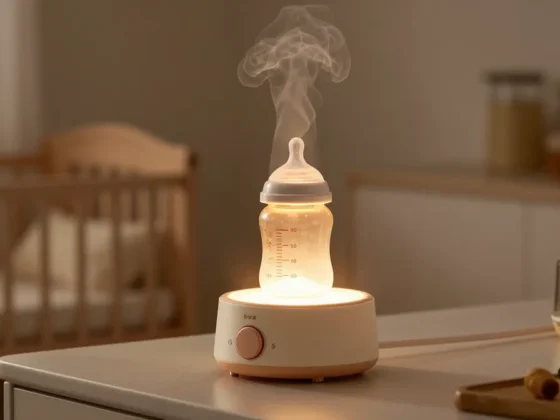
- Kettle or instant hot water: Warm, not boiling. A bottle warmer is optional, not mandatory.
- Sterilizing plan: Boiling, microwave bags, or a counter-top sterilizer—pick a method and keep it consistent.
Diaper Duty Without the Drama
You need a changing station that doesn’t require a treasure map. Set one up where you spend most of your time. Include a wipeable changing pad, diapers, wipes, and cream. Keep extras in a small caddy so you can move it around the house easily.
Disposable vs. Cloth
– Disposable: Convenient, especially at night and on the go. Try a few brands before committing to bulk.
– Cloth: Eco-friendly and cost-effective in the long run, but you’ll wash more. If you go this route, get 18–24 inserts to keep laundry reasonable.
Pro tip: A basic diaper pail with standard trash bags works fine. You don’t need a proprietary bag system unless you love recurring costs.
On-the-Go Essentials (And What to Skip)
You need safe, comfy transport—not a trunk full of gadgets. Start with a rear-facing car seat installed correctly. You can visit a local car seat technician to check your install. Worth it.
A stroller that fits your lifestyle matters more than brand hype. City sidewalks? Get good wheels and suspension. Suburbs and trunk space? Lightweight and foldable wins. Add a baby carrier or wrap for hands-free walks and grocery trips. Babies love being close; your to-do list loves free hands.
Diaper Bag Loadout
Keep it light. Pack:
- 3–4 diapers, wipes, and a changing pad
- Extra onesie and socks (add pants if it’s cold)
- Burp cloth, pacifier, and a thin blanket
- Small bottle of hand sanitizer
- Bottle and formula or breastmilk, or snacks for older babies
Skip: Portable wipe warmers and five toys. Babies will play with your keys anyway.
Clothes That Pull Their Weight
Baby fashion is adorable. Baby laundry is relentless. Buy mostly zippered footies and onesies. Zippers at 2 a.m. beat snaps every time. Get a few sleep sacks for warmth instead of loose blankets.
How much do you need? For a newborn, 7–10 onesies/footies, 4–6 pants, and 6–8 pairs of socks keep you covered between laundry days. Add season-appropriate layers: hats for sun or cold, a warm bunting for winter strolls, and a light jacket for shoulder seasons.
Laundry Lifesavers
- Gentle detergent: Fragrance-free helps sensitive skin.
- Mesh bags: Save those tiny socks from vanishing into the dryer void.
- Stain spray: Treat baby laundry like a sport. You’ll win more often than you think.
Bath, Health, and All the “Oops” Moments
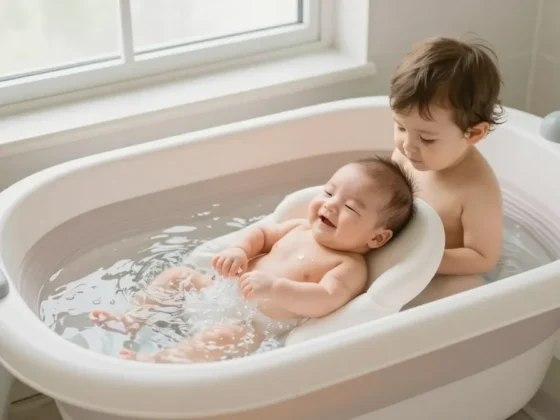
The bath doesn’t need a spa setup. A baby tub or sink insert works great. Use a gentle wash and a soft towel. Keep water warm, not hot, and never leave baby unattended. Yes, even for one second.
For daily care, build a small health kit:
- Digital thermometer: Accurate and easy to read.
- Nail clippers or file: Baby claws are real.
- Nasal aspirator + saline drops: Clears congestion without drama (okay, maybe a little drama).
- Infant acetaminophen: Ask your pediatrician for dosing guidance.
Pro move: Keep a spare crib sheet and mattress protector layered under the current set. Midnight mess? Strip and sleep without hunting for linens.
Toys, Books, and Brain Food
Babies don’t need a toy store’s worth of stuff. A few high-contrast toys, a soft rattle, board books, and a play gym do plenty. Floor time builds muscles and curiosity. You don’t need flashing lights to make magic.
Introduce teethers around 3–4 months. Silicone ones are easy to clean and safe to chew. For older babies, add stacking cups and soft blocks. Cheap, versatile, and surprisingly entertaining—kind of like cardboard boxes, which babies also love, IMO.
Minimalist Play Space
- Foam mat or rug: Cushions tumbles and makes tummy time less grumpy.
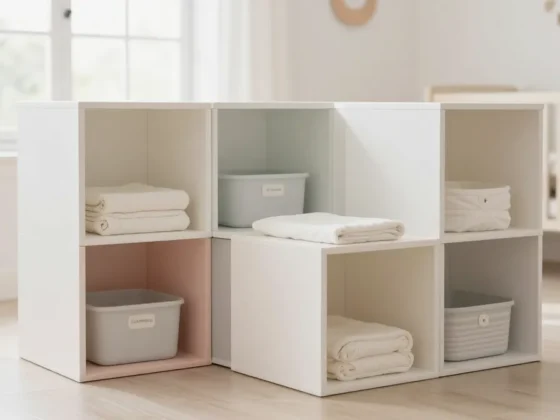
- Basket storage: Rotate toys weekly to keep things feeling new.
- Books within reach: Daily reading habits start early.
Smart Home Setup for New Parents
No, you don’t need a full-on baby command center. But a few tweaks help:
- Lamps with dimmers: Gentle light for night feeds.
- Phone chargers everywhere: Because you’ll Google everything at odd hours, FYI.
- Water bottle and snack stash: Hydrated parents are happier parents.
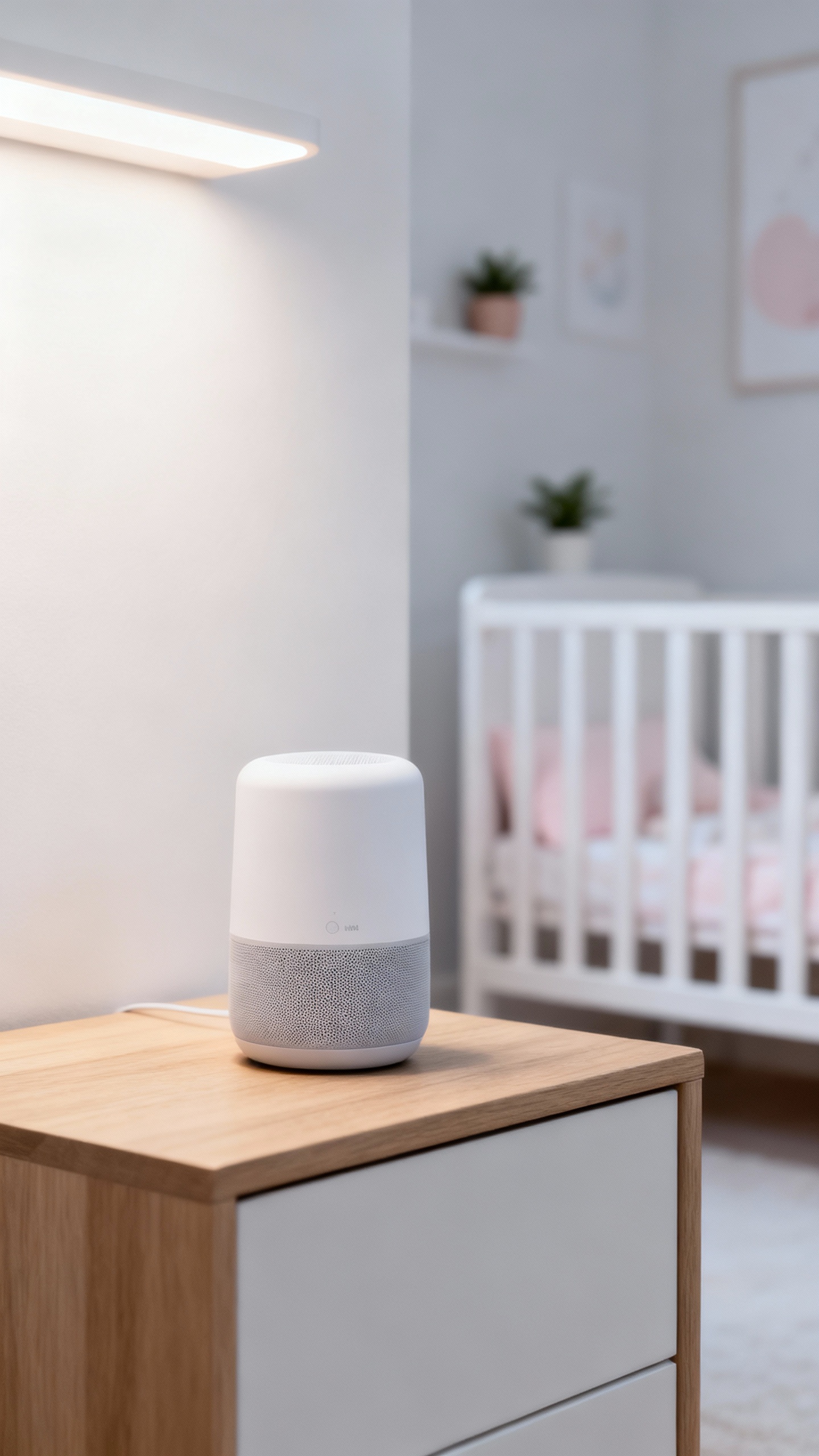
If you love tech, a smart speaker can cue white noise, set feeding timers, and control lights hands-free. Bonus: easy dance parties.
What You Can Skip (And Not Miss)
Let’s save you cash and clutter:
- Wipe warmer: Babies survive room-temp wipes. Promise.
- Fancy sterilizers: Nice to have but not critical if you can boil or use microwave bags.
- Shoes for non-walkers: Cute, useless. Go with socks or booties.
- Changing table: A dresser with a pad works and grows with your kid.
- Tons of newborn clothes: They outgrow them in five minutes.
FAQ
How many diapers do I actually need each day?
In the early weeks, plan for 8–12 diapers per day. It slows down after a couple of months. Buy a few small packs at first to test brands, then go bulk once you find a fit that doesn’t leak.
Do I need a fancy stroller travel system?
Not necessarily. If you drive a lot, an infant car seat that clicks into a lightweight stroller can be super convenient. If you walk more, a sturdy everyday stroller with a bassinet or newborn insert might serve you better.
What if my baby hates the swaddle?
Try different styles: Velcro, zip, or a stretchy blanket. Some babies prefer arms-up designs. If swaddling just isn’t happening, switch to a sleep sack; better sleep beats perfect technique, IMO.
How many bottles should I buy?
Start with 4–6. Try one or two brands to see what baby likes and what doesn’t leak in your bag. Buy more once you find your winner so you’re not washing nonstop.
Is a baby monitor essential?
Helpful, not mandatory. If baby sleeps in your room, you might skip it early on. Once they move to their own room, a video monitor helps you check in without creating a creaky-floor stealth mission.
When do I need a high chair?
Around 4–6 months when your pediatrician okays solids and baby shows signs of readiness (good head control, interest in food). Pick one that’s stable, easy to clean, and allows an upright, supported seat.
Bottom Line
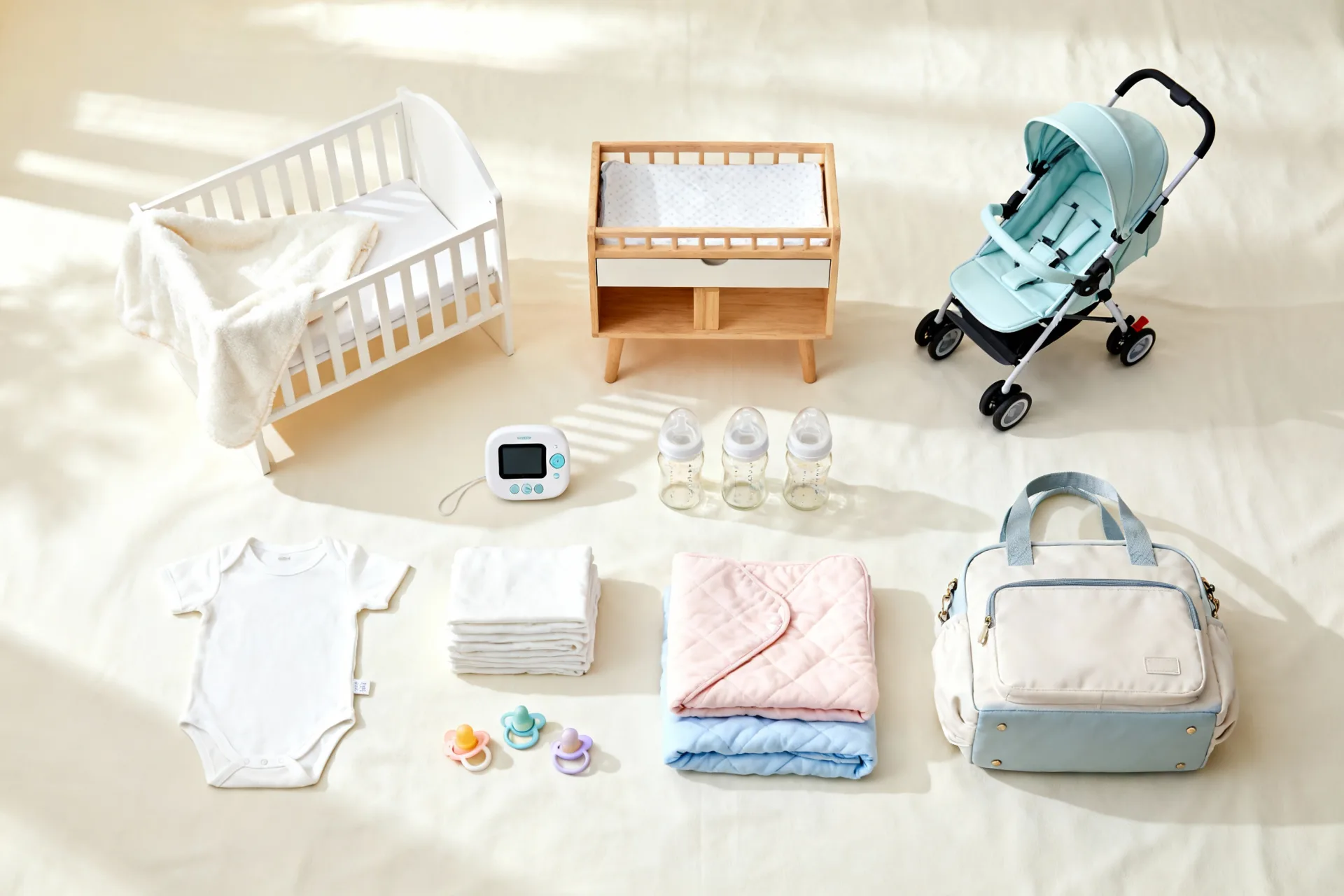
You don’t need a store’s worth of baby gear to crush the first year. Focus on safe sleep, simple feeding, easy diapering, comfy transport, and a few thoughtfully chosen toys. Add items that solve your actual problems and skip the rest. Keep it light, keep it flexible, and remember: you’re doing great—even if the pacifier is currently under the couch.
EXPLORE MORE ON OHBABYCARE
Gentle guidance, early symptoms, and what to expect during pregnancy
PREGNANCYDaily baby routines, practical care tips, and support for first-time parents
BABY CAREBaby health, safety, wellness, and expert-backed care advice
BABY HEALTHTop-rated baby products, must-have essentials, and honest reviews
BEST BABY PRODUCTSMust-have baby accessories, practical tips, and everyday essentials
BABY ACCESSORIESReal mom life, emotional support, recovery, and parenting balance
MOM LIFEHelpful adoption guidance, emotional support, and family preparation
ADOPTION