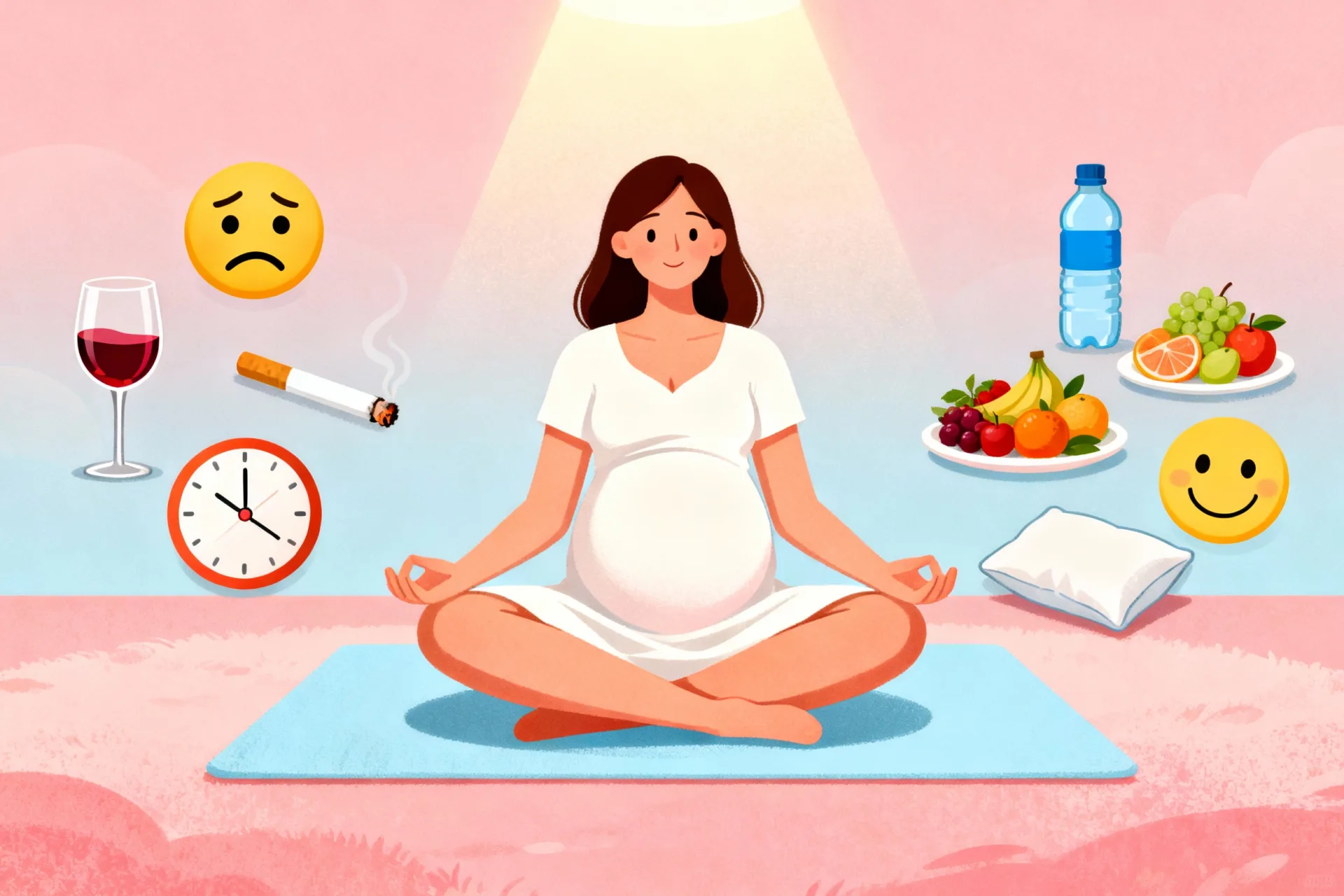
You want a healthy baby, a smooth pregnancy, and maybe a little less Googling at 3 a.m., right? Let’s skip the scare tactics and get real about common pregnancy mistakes that can affect your baby—and how to dodge them like a pro. No guilt, just practical strategies you can actually use. Deep breath. You’ve got this.
Skipping Prenatal Vitamins (Because “I Eat Healthy”)
You eat kale, quinoa, and wild salmon. Fantastic. Still take the prenatal. Why? Because even a great diet can miss crucial nutrients—especially early on when your baby’s brain and spine develop fast.
What to prioritize:
- Folic acid (400–800 mcg/day) before and during early pregnancy to lower neural tube defect risk.
- Iron (27 mg/day) to prevent anemia and support oxygen delivery to baby.
- Choline (450 mg/day) for brain development (often missing from prenatals; add eggs or a supplement).
- DHA (200–300 mg/day) for brain and eye development (fish oil or algae-based).
- Vitamin D (600–2000 IU/day) depending on your levels.
Pro tip: Nausea? Take your prenatal at night with a small snack or switch to a gummy plus separate iron (gummies often skip iron).
Guessing About Food Safety
You don’t need to live in fear of your fridge, but foodborne illness matters more during pregnancy. Your immune system shifts, and some infections can mess with baby’s development.
High-risk foods to avoid (just for now)
- Unpasteurized dairy (some soft cheeses), raw milk, and deli counter soft-serve.
- Undercooked or raw eggs/meat/fish (sushi with raw fish, runny eggs, medium-rare burgers).
- Deli meats and smoked fish unless you heat them until steaming.
- High-mercury fish like swordfish, king mackerel, tilefish, bigeye tuna.
What you can eat (and should!)
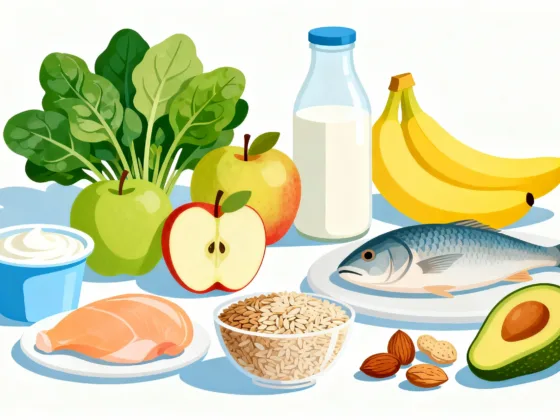
- Low-mercury fish 2–3 times a week: salmon, sardines, trout, canned light tuna.
- Fully cooked sushi rolls (tempura shrimp, California rolls with cooked crab).
- Pasteurized cheeses (check the label).
Quick hygiene wins:
- Wash produce well, even “pre-washed.”
- Keep fridge at 40°F (4°C) or cooler.
- Use separate cutting boards for meat and produce.
Playing Fast and Loose With Caffeine and Alcohol
Coffee lovers, breathe. You don’t need to quit entirely, but you do need to cap it.
Caffeine limits
Stay under ~200 mg/day (about one 12-oz brewed coffee). Remember hidden sources:
- Tea: 25–70 mg per cup
- Cola and energy drinks: 30–160 mg
- Dark chocolate: 20–60 mg per ounce
Too much caffeine can increase miscarriage risk and mess with growth. Not worth it.
Alcohol
No safe amount of alcohol exists during pregnancy. If you drank before you knew, talk to your provider for guidance and move forward. For social situations, try:
- Sparkling water with lime in a wine glass (festive, zero questions)
- Mocktails with ginger, mint, and citrus
Underestimating Sleep, Stress, and Mental Health
You can white-knuckle your way through exhaustion and anxiety—or you can protect your energy like a dragon guards treasure. IMO, choose the dragon.
Sleep is not optional:
- Aim for 7–9 hours. Nap guilt-free if nights get rough.
- Try left-side sleeping in the second and third trimesters for better blood flow.
- Tackle heartburn with smaller meals, earlier dinners, and extra pillows.
Stress control matters:
- Daily movement: walking, prenatal yoga, light strength training.
- 5-minute breathwork or guided meditation.
- Delegate chores. Yes, seriously.
Don’t ignore depression or anxiety. If you feel persistently low, numb, overwhelmed, or panicky, ask for help. Therapy, support groups, and sometimes medication can make a huge difference, and many options are pregnancy-safe. FYI, caring for your mental health helps your baby, too.
Doctor? What Doctor?
Skipping or delaying prenatal care can hide issues until they get big. You don’t need to love every appointment, but you do need them.
Appointments that matter
- First trimester: dating ultrasound, bloodwork, genetic screening options.
- Second trimester: anatomy scan (18–22 weeks), glucose screening (24–28 weeks).
- Third trimester: growth checks, Group B Strep test, birth plans, vaccination updates.
Vaccines worth asking about:
- Tdap (27–36 weeks) to protect baby from whooping cough after birth.
- Flu shot during flu season.
- COVID-19 vaccine/booster if due, per your provider’s advice.
Exercising Like You’re Training for a Marathon (or Not Moving at All)

Exercise helps your mood, sleep, and blood sugar. But extremes can backfire.
Smart movement goals:
- 150 minutes/week of moderate activity (walking, swimming, cycling, prenatal workouts).
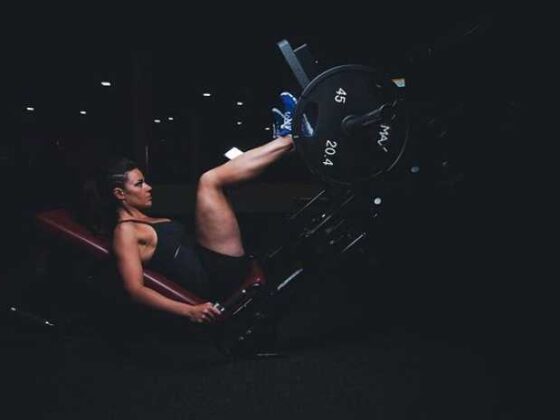
- Light strength training 2–3 days/week (think resistance bands and bodyweight).
- Stretching and mobility to keep aches in check.
Things to avoid:
- High-impact contact sports, hot yoga, scuba diving.
- Supine (flat-on-back) exercises after mid-pregnancy if you feel dizzy or short of breath.
- Overheating and dehydration—sip water constantly.
Listening to your body (revolutionary, I know)
Stop if you feel dizzy, crampy, have vaginal bleeding, chest pain, or reduced fetal movement. When in doubt, call your provider. You’re not “bothering” anyone.
Assuming All Supplements Are Safe
Herbal teas and “natural” supplements can sound harmless, but many aren’t pregnancy-tested. Some can affect hormones, blood pressure, or bleeding risk.
Use caution with:
- High-dose vitamin A (retinol) supplements
- Herbs like dong quai, blue cohosh, pennyroyal, or large amounts of licorice root
- Unregulated “sleep” or “detox” blends
Safer bets:
- Ginger for nausea (capsules or tea) within reasonable amounts
- Magnesium glycinate for sleep and leg cramps (check dose with your provider)
- Peppermint tea for mild nausea and bloating
Ignoring Red-Flag Symptoms
You don’t need to panic every time your foot cramps, but don’t tough out warning signs. Call your provider ASAP if you notice:
- Severe headache that doesn’t go away, vision changes, or swelling in face/hands
- Vaginal bleeding or fluid leaking
- Regular painful contractions before 37 weeks
- Decreased fetal movement after you’ve felt consistent patterns
- Severe right upper belly pain or shortness of breath
- Fever over 100.4°F (38°C)
Not sure? Call anyway. Better a 5-minute chat than an avoidable emergency, IMO.
FAQ
Can I drink coffee if I’m exhausted all the time?
Yes, within limits. Keep caffeine under about 200 mg/day (one regular coffee). Pair it with hydration, protein-rich snacks, and earlier bedtimes when possible. If you need more than that daily just to function, talk to your provider about iron or thyroid testing.
What if I ate deli meat yesterday?
Don’t panic. The overall risk is low. Going forward, heat deli meats until steaming or choose alternatives like freshly cooked chicken, tuna (low mercury), or hummus. If you develop fever or GI symptoms, call your provider.
Do I really need fish if I’m scared of mercury?
You don’t need fish, but it helps. Low-mercury options 2–3 times a week provide DHA for your baby’s brain. If fish isn’t your thing, consider an algae-based DHA supplement and add choline-rich foods like eggs.
Is weight gain important, or can I just “eat clean” and let it happen?
Gain matters. Healthy weight gain supports baby’s growth and reduces complications. Your provider will personalize targets based on your pre-pregnancy BMI. Focus on balanced meals with protein, fiber, healthy fats—and don’t fear carbs. Steady beats extreme.
Which prenatal vitamin should I pick?
Choose one with folic acid (or methylfolate), iron, iodine, and ideally choline and DHA (or plan to add those separately). If it upsets your stomach, try a different brand, take it at night, or use gummies plus an iron supplement. Consistency > perfection.
How do I know if my baby is moving enough?
In the third trimester, many providers recommend kick counts: pick a time when baby is usually active and track 10 movements within 2 hours. If you notice a clear drop in movement patterns, call your provider the same day.
Conclusion
You don’t need to nail every single guideline to raise a healthy baby. Focus on the big hitters: take your prenatal, eat safely, limit caffeine, skip alcohol, move your body, sleep, and show up to appointments. Ask questions, ignore internet drama, and trust your instincts. You’re building a human—pretty sure that makes you a superhero already.
EXPLORE MORE ON OHBABYCARE
Gentle guidance, early symptoms, and what to expect during pregnancy
PREGNANCYDaily baby routines, practical care tips, and support for first-time parents
BABY CAREBaby health, safety, wellness, and expert-backed care advice
BABY HEALTHTop-rated baby products, must-have essentials, and honest reviews
BEST BABY PRODUCTSMust-have baby accessories, practical tips, and everyday essentials
BABY ACCESSORIESReal mom life, emotional support, recovery, and parenting balance
MOM LIFEHelpful adoption guidance, emotional support, and family preparation
ADOPTION