
You know that feeling when your baby does something slightly weird and your brain sprints to Worst-Case Scenario Land? Totally normal. Babies can’t tell you what hurts, so you’re stuck decoding every sneeze and squeak. The good news: most things are minor. The better news: a few clear warning signs tell you when to call the pediatrician ASAP. Let’s make those signs obvious, so you can breathe easier and know what to do.
Trust Your Gut (But Use a Checklist)
You stare at your baby more than you stare at your phone (barely). You’ll notice when something feels off. When in doubt, call. Pediatricians expect questions. IMO, no doctor has ever said, “Wow, you cared too much about your child.”
Still, let’s back up that gut feeling with a practical checklist. Keep it on your fridge, in your notes app, whatever works. If you see any of these red flags, call your pediatrician the same day—sooner if they look severe.
- Fever: 100.4°F (38°C) or higher in a baby under 3 months
- Breathing trouble: fast, labored, grunting, chest pulling in, or blue lips
- Dehydration: fewer wet diapers, dry mouth, no tears when crying
- Unusual sleepiness, limpness, or you can’t wake them like usual
- Persistent vomiting or green vomit, or blood in vomit or stool
- Rash with fever, rapidly spreading rash, or purple spots
- Seizure-like activity or stiff neck
- Head injury or a fall from height
- Signs of severe pain: inconsolable crying for hours, high-pitched cry
Fever: When It’s Fine vs. When It’s Not
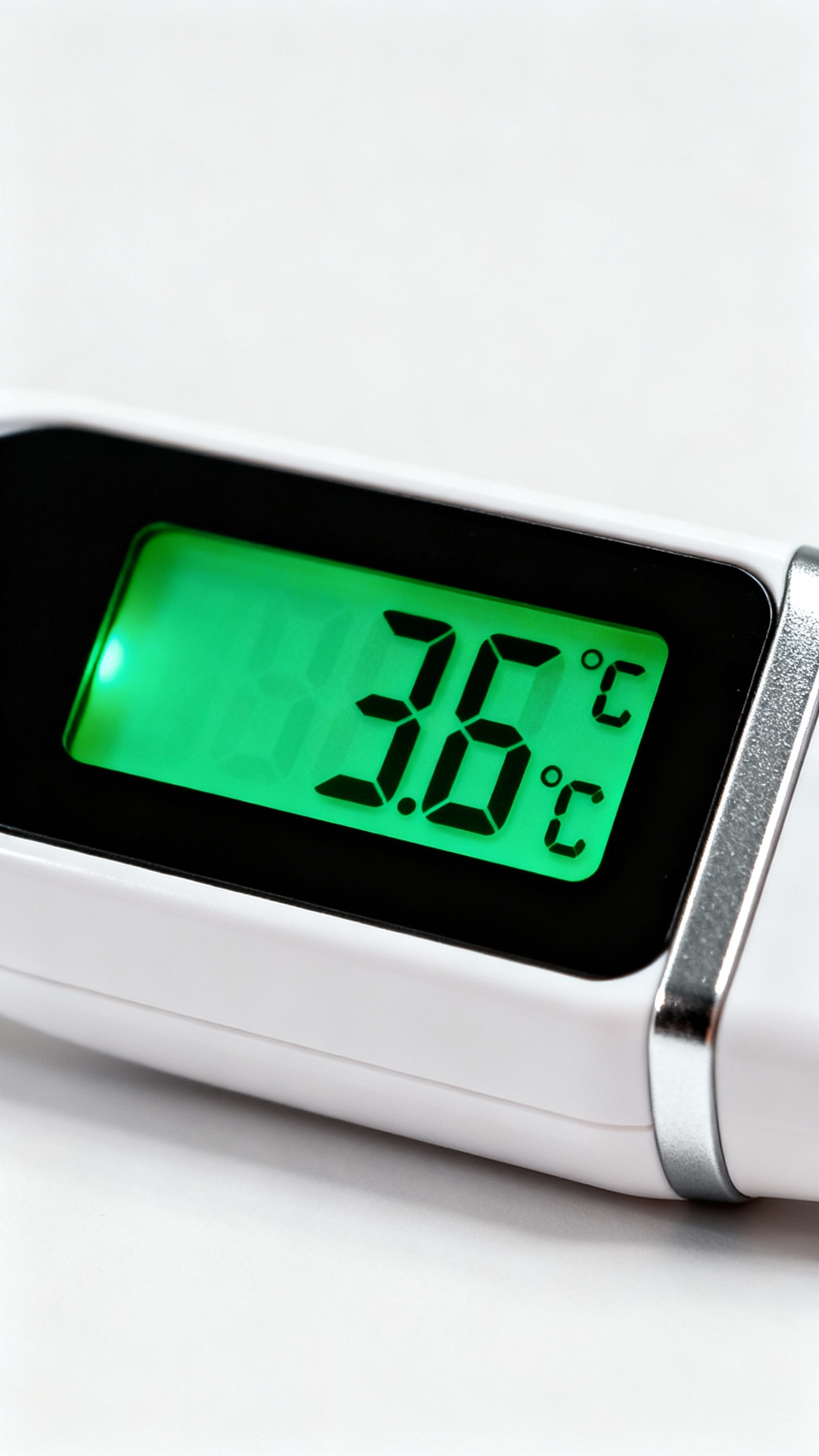
Babies run warm. A little fever often means their immune system works. But age matters a ton here.
- Under 3 months: Any rectal temp of 100.4°F (38°C) or higher = call now. No waiting. No “let’s see.”
- 3–6 months: Call for 102°F (38.9°C) or higher, or lower if they seem unwell.
- Over 6 months: Call if it hits 103°F (39.4°C), lasts more than 2–3 days, or comes with other red flags.
What About Meds?
You can use acetaminophen for babies over 2 months—dose by weight, not age. For ibuprofen, wait until 6 months. Avoid aspirin, ever. If you don’t know dosing, call for guidance. FYI: a fever reducer won’t fix the cause—it just makes them more comfortable.
Breathing: The “Don’t Wait” Symptoms
Breathing issues deserve your fastest response. If you see blue lips, noisy breathing at rest, pauses, or your baby looks panicked, call 911. For less urgent but still concerning signs, call your pediatrician same day.
Easy Visual Checks
- Watch their ribs and collarbone. Do they suck in with each breath? That’s retractions.
- Listen for grunting, wheezing, or flaring nostrils.
- Count breaths when they’re calm: over about 60/min (newborn), 40–50/min (infant) = call.
Feeding, Spit-Up, and Vomit: What’s Normal?
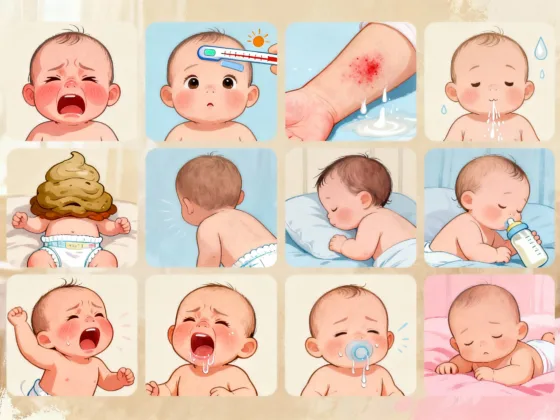
Spit-up looks dramatic but usually just means “I ate fast.” Vomit, on the other hand, deserves attention.
- Spit-up: Small amounts, baby happy, gaining weight. Annoying, but fine.
- Vomit: Forceful, repeated, or green = call. Blood = call. If they can’t keep down fluids, we worry about dehydration.
Dehydration Clues
- Fewer wet diapers (under 6/day in newborns, under 4/day in older infants)
- Dry lips or mouth, sunken soft spot, no tears
- Extra sleepy or fussy
If you see these, call. Offer small, frequent feeds. For older infants, some oral rehydration solution can help—ask your pediatrician for specifics.
Rashes: Which Ones Need a Call?
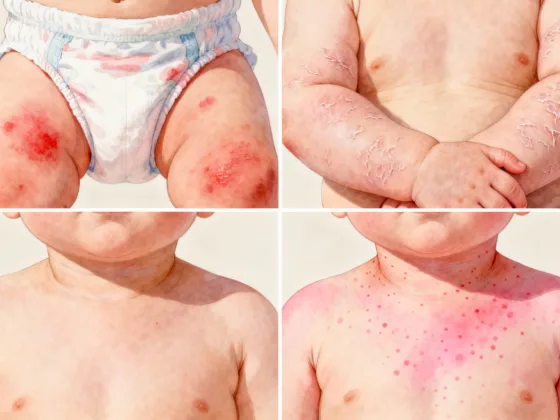
Most baby rashes come and go like unreliable Wi-Fi. Heat rash? Baby acne? Meh. But some rashes say “get help.”
- Rash + fever = call to check in
- Purple, bruise-like spots that don’t fade when pressed = urgent
- Hives with breathing trouble, swelling, or vomiting = emergency
- Rapidly spreading rash or one that looks infected (warm, red, pus) = call
The Glass Test (Old but Useful)
Press a clear glass against the rash. If the spots don’t fade, call urgently. If they do fade, it’s usually less worrisome—but still call if other symptoms show up.
Poop, Pee, and Everything Diaper Drama
Yes, we’re going there. Because diapers tell secrets.
- Newborns: Expect at least 6 wet diapers/day after day 4. Less can mean dehydration.
- Blood in stool: Call. Small streaks from a fissure can happen, but you want a professional to confirm.
- White or gray poop: Call. That can signal bile flow problems.
- Jet-black poop after the first week (not meconium) or tar-like = call.
Behavior Changes: You Know Your Baby’s “Normal”
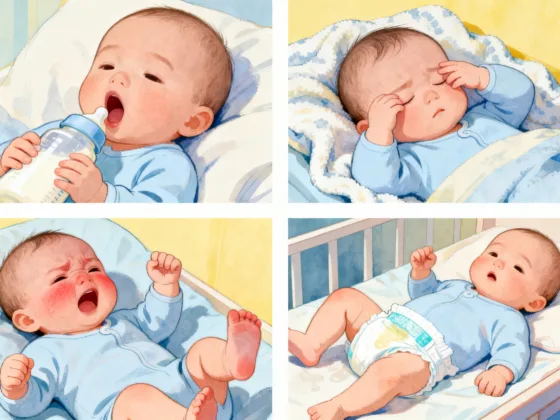
Some days your baby acts like a potato. Normal. But if you see lethargy—not just sleepy, but hard to wake, floppy, uninterested in feeding—call now. If your baby cries in a high-pitched way, seems in pain, or cries non-stop for hours, call. IMO, you never overreact when behavior changes dramatically.
After a Bump or Fall
Babies will headbutt the floor eventually. If your baby falls from a height, hits their head hard, vomits more than once, seems drowsy in a scary way, or you notice swelling that grows fast, call. If you see loss of consciousness or a seizure, call 911.
When You Can Watch and Wait (With a Plan)

Not everything needs immediate action. If your baby has mild cold symptoms, a low fever in an older infant, or a mild rash without fever, you can watch for 24 hours.
Try this:
- Comfort: fluids, saline drops, cool-mist humidifier, cuddles (medical necessity, obviously)
- Track: diaper counts, temp, energy, feeding
- Set a time limit: If no improvement in 24–48 hours—or earlier if your gut says nope—call
What Pediatricians Want You to Tell Them
Help your doctor help you. A quick, focused update wins.
- Age and weight of your baby
- Main concern and when it started
- Fever readings and how you measured (rectal, forehead, etc.)
- Feeding amounts and diaper counts in the last 12–24 hours
- Any meds given and dosing
- Any exposure to sick contacts
FAQ
My newborn feels warm but the thermometer says normal. Should I still call?
If your newborn seems off—extra sleepy, not feeding, breathing fast—call even with a normal temp. Thermometers help, but your baby’s behavior matters more. For newborns, “just in case” calls are totally appropriate.
What’s the best thermometer for babies?
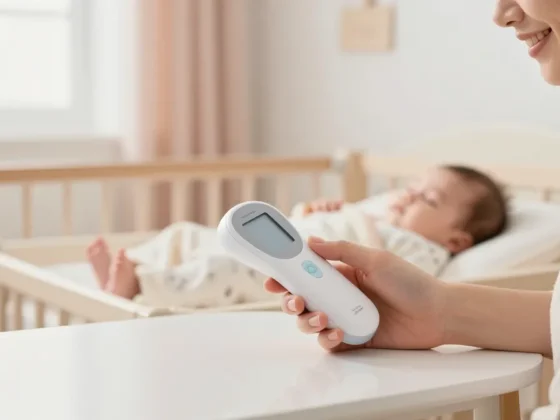
For infants under 3 months, use a rectal thermometer for the most accurate reading. Forehead/temporal ones can help screen, but confirm with rectal if it’s high or your baby seems unwell. Ear thermometers don’t work well for tiny ear canals.
Can teething cause a fever?
Teething can cause drool, crankiness, and gum swelling. It might nudge the temp slightly, but teething doesn’t cause high fevers. If your baby runs 100.4°F (38°C) or higher, look for an illness, not just teeth.
How many wet diapers count as “enough”?
After the first week, aim for around 6 wet diapers a day for newborns, and at least 4 for older infants. If you notice a drop, darker urine, or strong smell, increase fluids and call if it doesn’t bounce back.
What if I think it’s urgent but the office is closed?
Call anyway. Most pediatric offices have after-hours lines. If your baby struggles to breathe, has a high fever under 3 months, appears very lethargic, or you see a purple rash, go to urgent care or the ER. Trust your instincts—better safe than sorry, FYI.
When do I worry about jaundice?
If your newborn looks yellow beyond the face, seems sleepy and hard to wake for feeds, or jaundice worsens after going home, call. Jaundice is common, but sometimes it requires treatment. Early feeding and frequent diapers help.
Bottom Line
You won’t memorize every symptom, and you don’t need to. Call your pediatrician for fevers in young babies, breathing issues, dehydration, big behavior changes, worrying rashes, or anything that feels wrong. You know your baby best. Use your gut, use this guide, and remember: asking for help doesn’t make you anxious—it makes you a great parent. IMO, that’s the real pro move.
EXPLORE MORE ON OHBABYCARE
Gentle guidance, early symptoms, and what to expect during pregnancy
PREGNANCYDaily baby routines, practical care tips, and support for first-time parents
BABY CAREBaby health, safety, wellness, and expert-backed care advice
BABY HEALTHTop-rated baby products, must-have essentials, and honest reviews
BEST BABY PRODUCTSMust-have baby accessories, practical tips, and everyday essentials
BABY ACCESSORIESReal mom life, emotional support, recovery, and parenting balance
MOM LIFEHelpful adoption guidance, emotional support, and family preparation
ADOPTION