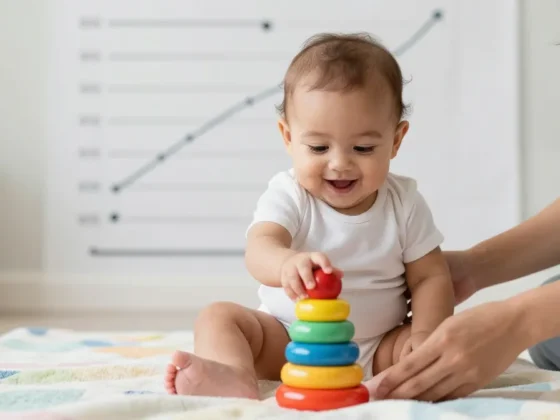
You want your baby to stay healthy, sleep better, and breeze through cold season without turning into a tiny faucet? Let’s stack the odds in their favor. You don’t need a cabinet full of supplements or a PhD in microbiology. A few simple habits can give your baby’s immune system the steady support it needs to do its job like the little superhero it is.
Start With the Basics: Breastfeeding (When Possible)
Breast milk gives babies a custom blend of antibodies, prebiotics, and nutrients. Think of it as the original immune “software update.” If breastfeeding works for you, great. If not, formula-fed babies still grow strong and healthy—so no guilt trips here.
How Breast Milk Helps
- Antibodies (IgA): These coat your baby’s gut and help block germs from getting in.
- Prebiotics: Special sugars feed good gut bacteria, which support immunity.
- Dynamic composition: Your milk changes during illness to deliver extra immune factors. Wild, right?
Not Breastfeeding?
Choose an iron-fortified formula and talk to your pediatrician about options if your baby has allergy risks. You still support immunity with everything else below—IMO, the full routine matters more than any one factor.
Feed the Gut: Solid Foods That Support Immunity
Once your pediatrician gives the green light for solids (usually around 6 months), choose foods that help your baby’s gut microbiome thrive. Healthy gut = stronger immune responses. No, we’re not sprinkling kale dust on purees—just simple, real foods.
Immune-Friendly First Foods
- Iron-rich options: Pureed meat, beans, lentils, iron-fortified cereals. Iron fuels immune cells.
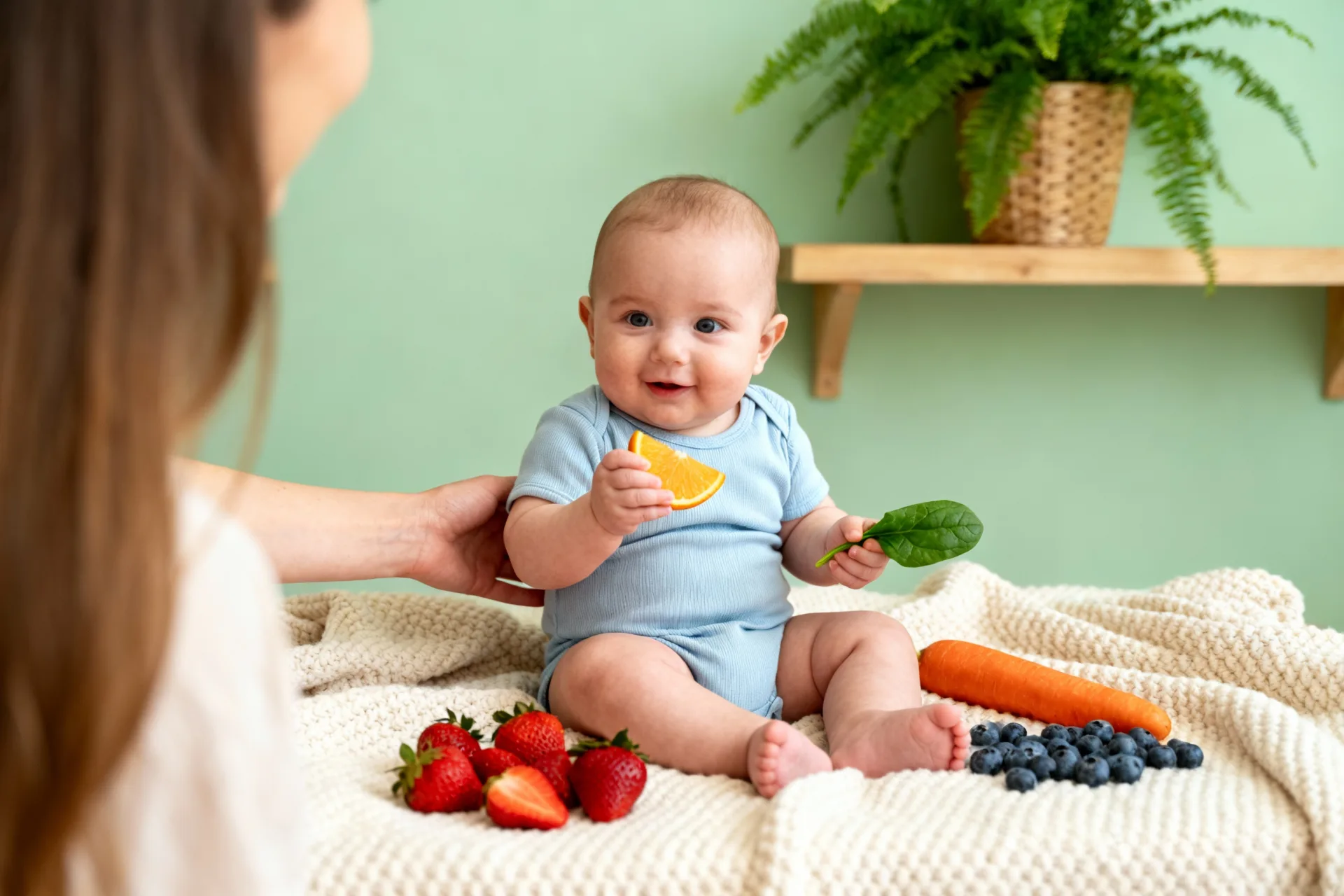
- Vitamin C buddies: Pureed strawberries, citrus, mango, sweet potato. Vitamin C helps the body use iron and supports immune defenses.
- Healthy fats: Avocado, olive oil, full-fat yogurt (after 6 months). Fats help absorb vitamins A, D, E, and K.
- Probiotic foods: Plain yogurt or kefir (no added sugar). These introduce beneficial bacteria—hello, gut health.
What About Allergens?
Introduce common allergens (peanut, egg, dairy, wheat) early and gradually, with your pediatrician’s guidance. Early exposure can reduce allergy risk. Start tiny, watch closely, and keep an antihistamine on hand if your doctor recommends it. FYI, smooth peanut powder mixed into yogurt or puree works great.
Sleep: The Secret Immune Hack Nobody Talks About
Babies need a ridiculous amount of sleep because their immune systems build memory and repair cells during deep sleep. No sleep, more sick days—simple math.
Healthy Sleep Habits
- Set a routine: Same bedtime, short wind-down, dim lights. Predictability signals sleepy hormones.
- Prioritize naps: Overtired babies sleep worse at night. Yes, it’s unfair.
- Safe sleep: Baby on their back, firm mattress, no loose blankets or pillows.
Fresh Air, Gentle Sun, and Movement
You don’t need a wilderness retreat—just daily daylight and some stroller time. Natural light helps regulate circadian rhythms, which improves sleep (and immunity). A few minutes of gentle sun on hands and face helps with vitamin D synthesis, which supports immune function.
Practical Tips
- Daily walks: Even 15–20 minutes counts. New sights and sounds stimulate development, too.
- Tummy time: Movement improves lymph flow. More wiggles, better defenses.
- Vitamin D drops: Most breastfed babies need 400 IU daily—check with your pediatrician.
Vaccines: The Heavy Lifters
You can boost the immune system naturally and still embrace modern medicine. Vaccines don’t “overload” the system; they train it—safely. Stick to the schedule unless your pediatrician says otherwise.
Why This Matters
- Prevents serious illness: Measles, whooping cough, pneumococcal infections—hard pass.
- Builds community protection: Protects younger babies and vulnerable folks.
- Less sick time: Fewer infections mean more energy for growth and development.
Hygiene Without Going Overboard
We want clean, not sterile. Babies need exposure to everyday microbes to “train” immunity. But we also want to keep legit germs in check.
Smart Hygiene Habits
- Handwashing: Before feeds, after diaper changes, after outings. Soap and water win.
- Skip harsh disinfectants: Routine cleaning works; save strong stuff for vomit/poop situations.
- Pet cuddles are fine: Supervise and wash hands. FYI, dogs boost floor crumbs consumption by 200% (estimate entirely based on my kitchen).
Limit Sugar, Smoke, and Stress
We control what goes into baby’s body—and what swirls around them. Three things tank immune health fast: added sugar, smoke exposure, and household chaos.
Keep It Simple
- No added sugar: Babies don’t need it. Read labels—some “baby” snacks sneak it in.
- Smoke-free air: Secondhand and thirdhand smoke irritate airways and increase infections.
- Predictable calm: Routines lower stress hormones. Parents feel better. Babies sense it.
Probiotics, Supplements, and the “Do I Need This?” Question
Short answer: sometimes. Long answer: ask your pediatrician. Vitamin D is the usual must-have for breastfed babies. Probiotics may help with colic or after antibiotics, but strains matter and the science varies.
What Might Be Worth Considering
- Vitamin D drops: Common and recommended for many babies.
- Probiotics: Look for specific strains studied in infants (e.g., L. reuteri DSM 17938).
- Omega-3s: For older babies eating solids, fatty fish like salmon beats a supplement IMO.
Always skip honey before 12 months (botulism risk), herbal teas, and random “immune boosters” marketed to exhausted parents. If a label screams miracle, your wallet will cry first.
Let Them Mingle (Within Reason)
Baby classes, playgrounds, cousins with runny noses—germ exposure happens. You can’t bubble-wrap your child (I checked, it’s frowned upon). Controlled exposure helps build resilience.
Common-Sense Socializing
- Short, frequent outings: Build stamina and exposure without overwhelming.
- Stay home when sick: For your baby and everyone else’s.
- Carry wipes: Not for sterilizing the planet, just sticky hands and drooly toys.
FAQ
Can I boost my baby’s immunity during pregnancy?
Yes. Focus on a balanced diet, prenatal vitamins (especially iron and vitamin D if prescribed), sleep, and light exercise. If you can, get recommended vaccines during pregnancy—your antibodies pass to your baby and offer early protection.
Do babies need multivitamins?
Usually no. Most babies get what they need from breast milk or formula, plus solids after 6 months. The big exception is vitamin D for breastfed babies. Your pediatrician may recommend iron if your baby has low levels.
Should I give my baby elderberry or “immune” syrups?
Skip them unless your pediatrician specifically recommends a product. Many herbal supplements lack solid studies in infants, dosing can be murky, and some additives don’t suit babies. Natural doesn’t automatically mean safe.
How often will my baby get sick?
Totally normal: 6–10 colds per year, especially once daycare starts. Frequency matters less than recovery—if your baby bounces back, eats, and grows, you’re doing great. See your doctor for labored breathing, dehydration signs, or high fevers in young infants.
Do humidifiers help?
Yes, in dry seasons. A cool-mist humidifier can keep nasal passages comfy and reduce nighttime coughing. Clean it regularly so it doesn’t turn into a mold dispenser—yikes.
What about contact naps—do they help immunity?
Indirectly, sure. More sleep equals better immune function, and if contact naps deliver sleep, that’s a win. You won’t “spoil” a baby by meeting their need for rest and closeness.
Conclusion
You don’t need a complicated plan to support your baby’s immune system. Keep it simple: nutritious food, good sleep, sunlight and fresh air, vaccines, smart hygiene, and calm routines. Add vitamin D, consider probiotics if your pediatrician agrees, and let your baby explore the world one crumb at a time. You’ve got this—so does their immune system.
EXPLORE MORE ON OHBABYCARE
Gentle guidance, early symptoms, and what to expect during pregnancy
PREGNANCYDaily baby routines, practical care tips, and support for first-time parents
BABY CAREBaby health, safety, wellness, and expert-backed care advice
BABY HEALTHTop-rated baby products, must-have essentials, and honest reviews
BEST BABY PRODUCTSMust-have baby accessories, practical tips, and everyday essentials
BABY ACCESSORIESReal mom life, emotional support, recovery, and parenting balance
MOM LIFEHelpful adoption guidance, emotional support, and family preparation
ADOPTION