
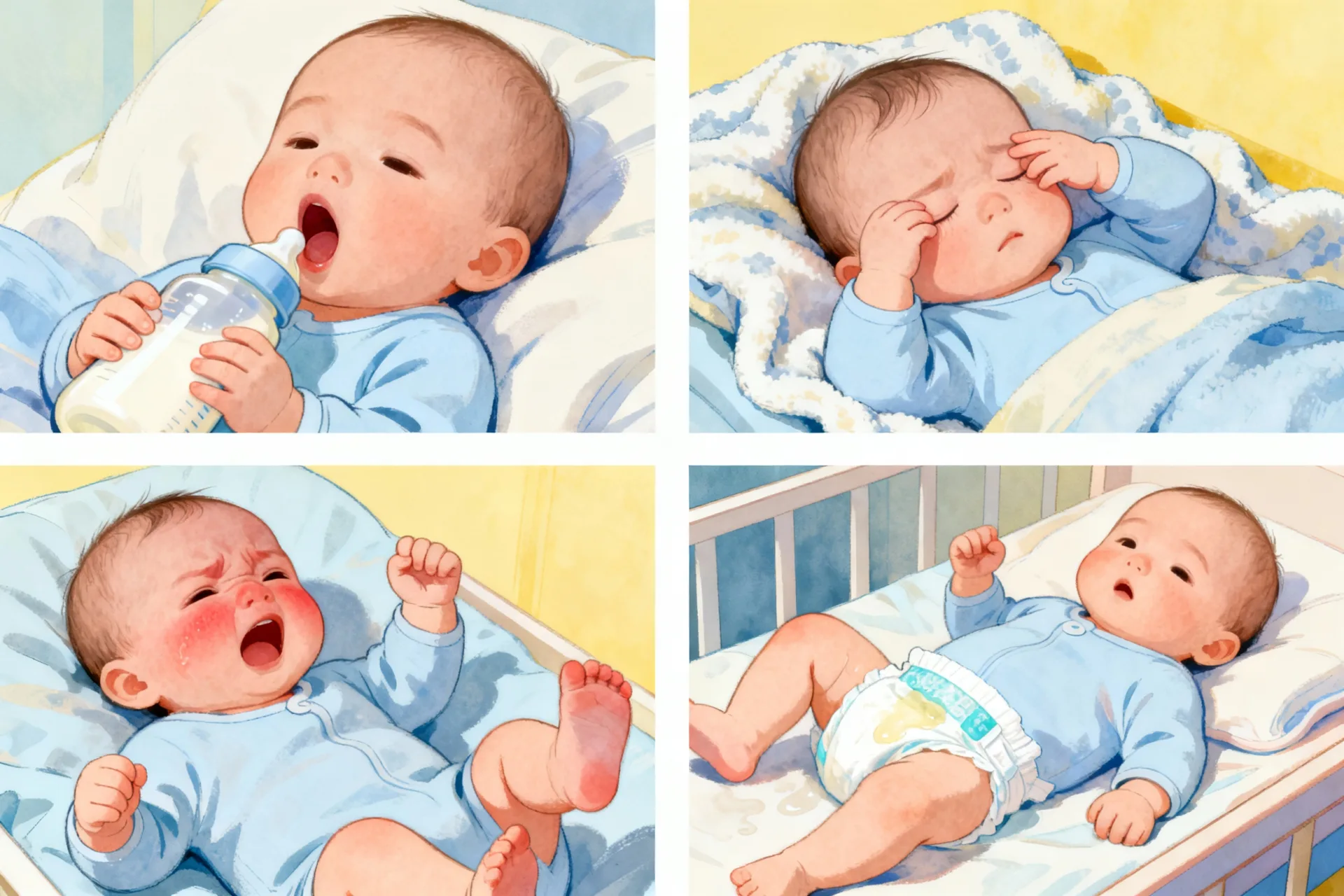
Babies cry. A lot. Sometimes for reasons that make sense, and sometimes because, well, they’re babies and chaos is their brand. If you’re pacing the hallway at 2 a.m. whispering “why though,” you’re in good company. Let’s decode the usual suspects so you can figure out what your tiny boss wants and maybe snag a little peace.
Hunger: The Classic Plot Twist
Babies have tiny stomachs and big appetites. If it’s been a couple of hours since the last feed (or 45 minutes, no judgment), hunger probably tops the list. Watch for cues before the meltdown: rooting, lip-smacking, fists to mouth. Crying often comes last.
Pro tip: Don’t wait for a full-on wail. Offer a feed at the first signs and you’ll save everyone some drama. If your baby pulls off the bottle or breast, arches, or gurgles mid-feed, burp and try again.
Cluster Feeding Is a Thing
In the evenings, some babies eat in rapid-fire sessions. It’s normal and temporary. You didn’t mess up; your baby didn’t forget how to baby. Settle in with snacks and a show.
Sleep: Exhausted but FOMO

You know that over-tired, wired feeling where your brain wants to sleep but your body says “party”? That’s babies all the time. When they miss the “sleep window,” their bodies ramp up stress hormones and suddenly you have a flailing, red-faced gremlin.
Look for sleep cues:
- Rubbing eyes or ears
- Glassy stare or turning away
- Yawns, obviously
Quick reset: Darken the room, lower stimulation, rock or sway, use white noise. Keep it boring. Babies love boring. IMO, consistent wind-down routines beat any fancy gadget.
Cat Naps vs. Real Naps
Short naps happen. If your baby wakes up cranky after 20 minutes, try a gentle assist back to sleep: shush-pat, rocking, or a quick feed if appropriate. It’s not a bad habit; it’s survival.
Dirty Diaper or Clothes Drama
Sometimes it’s not existential; it’s poop. Or a wet diaper. Or a scratchy tag. Or a onesie snap plotting revenge.
Check the basics:
- Wet or dirty diaper (obvious, but easy to miss in the chaos)
- Clothing too tight or too hot
- Hair tourniquet on fingers or toes (yes, this happens!)
Temperature check: Feel the chest or back of the neck, not hands or feet. Layer lightly and avoid overheating. FYI, if your baby feels sweaty or flushed, remove a layer and offer a sip/feed.
Gas, Reflux, and Tummy Troubles

New digestive systems act like interns learning on the job. Gas, reflux, or general tummy chaos can trigger serious grumps. If your baby arches the back, squirms during or after feeds, or stiffens legs, the belly might be the culprit.
Try these:
- Burp halfway through and after feeds
- Keep baby upright 20–30 minutes post-feed
- Use a slower-flow nipple if bottle-feeding to reduce gulping
- Gentle bicycle legs and tummy massage around the belly button
When It Might Be Reflux
Spit-up happens. But if you see persistent discomfort, coughing, back-arching, or poor weight gain, chat with your pediatrician. You’re not overreacting. Comfort measures help, but sometimes babies need extra support.
Too Hot, Too Cold, Too Much Stimulation
Babies love a predictably calm environment. Bright lights, loud noises, or parade-level visitors can flip their overstimulation switch. They cry because they can’t say, “Please lower the volume and also that toy is terrifying.”
Dial it down:
- Dim the lights, lower noise, and reduce eye contact for a bit
- Swaddle safely if age-appropriate (stop once rolling starts)
- Use white noise to create a consistent soundscape
Undersimulation happens too: Some babies cry because they’re bored. A walk outside, a change of room, or a gentle song can help. Babies: tiny goldfish with short attention spans.
Teething and Growth Spurts

If your baby drools like a bulldog, gnaws on everything, and wakes cranky, teeth might be incoming. Teething discomfort can wax and wane for weeks before a tooth shows up, because nature enjoys irony.
Comfort ideas:
- Chilled (not frozen) teether
- Clean finger to massage gums
- Pain relief only if advised by your pediatrician
Growth Spurts and Developmental Leaps
During spurts, babies eat more, sleep weird, and demand constant cuddles. They might cry because their brains and bodies are busy leveling up. It’s normal. It passes. Coffee helps.
They Need You (Yes, You)
Sometimes the reason is beautifully simple: they want closeness. Babies cry to reconnect because you’re their safe place. Skin-to-skin, cuddling, or wearing your baby in a carrier can work magic.
Soothing moves that rarely hurt:
- Rocking, swaying, or gentle bouncing
- Soft singing or humming (no Grammy required)
- Rhythmic shushing near the ear
- Taking a walk outside for a change of scenery
IMO, you can’t “spoil” a newborn with contact. You’re building trust, not bad habits.
When Crying Signals Something More
You know your baby best. If something feels off, trust your gut. Seek medical advice if you notice:
- Fever in a baby under 3 months, or any fever that worries you
- Weak, high-pitched, or nonstop crying that doesn’t ease with comfort
- Vomiting, diarrhea, or signs of dehydration (fewer wet diapers, dry mouth)
- Rash, difficulty breathing, or extreme lethargy
- Bulging or sunken soft spot on the head
FYI, if you feel overwhelmed, it’s okay to put the baby safely in the crib and take a breather. Call a friend, partner, or support line. You matter, too.
FAQ
How do I tell hunger cries from other cries?
Hunger cries often build and sound rhythmic, with rooting and hand-sucking. Tired cries sound whiny and fussy with eye rubbing and turning away. Gas cries come with squirming or back-arching. You’ll learn your baby’s “playlist” with time—promise.
My baby won’t stop crying at night. Is that colic?
Colic usually means intense crying for several hours a day, several days a week, for a few weeks, often in the evenings. If your baby seems otherwise healthy, eats well, and grows normally, it might be colic. Comfort measures help, but talk to your pediatrician to rule out other issues and to get support.
Should I try gripe water or gas drops?
Some parents swear by them, some see little difference. If you want to try, check ingredients, dose correctly, and run it by your pediatrician first. Also tackle feeding technique, burping, and positioning—those often make the biggest impact.
What’s the best way to soothe a screaming baby fast?
Go for the greatest hits: check the diaper, offer a feed, burp, swaddle (if not rolling), sway, and add white noise. Step outside for fresh air if you can. Change one thing at a time so you see what works, then repeat that sequence next time.
Can a baby cry for “no reason”?
It feels that way, but there’s usually a reason—hunger, fatigue, overstimulation, or simply needing you. Sometimes they just need to reset. Hold them, keep calm energy, and ride it out. You’re doing fine, even if your shirt says “cry-splosion.”
When should I worry about dehydration?
Watch for fewer than 6 wet diapers a day after the first week, dark yellow urine, dry lips, no tears when crying, or unusual sleepiness. If you see these signs, call your pediatrician. Trust your instincts.
Wrapping It Up
Crying is your baby’s all-purpose notification system. You’ll get better at reading it, and your baby will get better at, well, being a baby. Start with the basics—feed, sleep, diaper, comfort—and adjust from there. And remember: you’re not alone, you’re not doing it wrong, and this stage won’t last forever. IMO, you’ve got this more than you think.
EXPLORE MORE ON OHBABYCARE
Gentle guidance, early symptoms, and what to expect during pregnancy
PREGNANCYDaily baby routines, practical care tips, and support for first-time parents
BABY CAREBaby health, safety, wellness, and expert-backed care advice
BABY HEALTHTop-rated baby products, must-have essentials, and honest reviews
BEST BABY PRODUCTSMust-have baby accessories, practical tips, and everyday essentials
BABY ACCESSORIESReal mom life, emotional support, recovery, and parenting balance
MOM LIFEHelpful adoption guidance, emotional support, and family preparation
ADOPTION